The Quantum Moment Book Summary
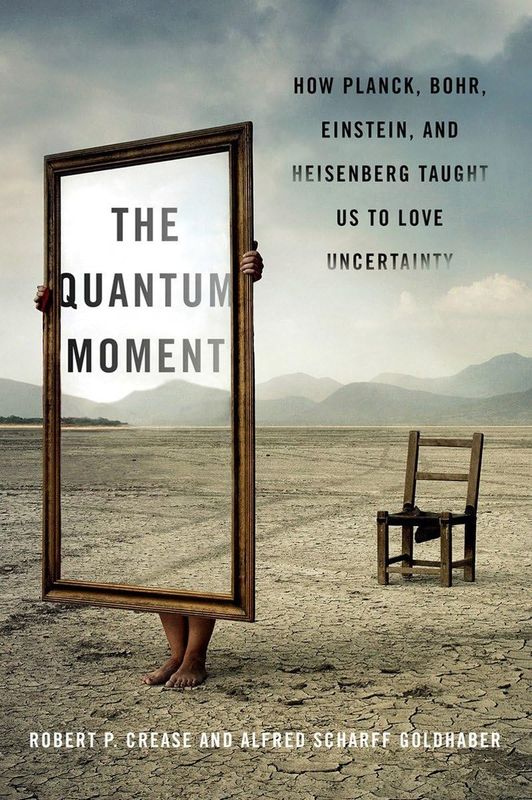
In "The Quantum Moment," Robert P. Crease and Alfred Scharff Goldhaber explore the profound implications of quantum physics on our understanding of reality. They unravel how quantum mechanics challenges our perceptions and influences both science and society. With vivid illustrations and historical anecdotes, the authors bring to life the enigmatic nature of particles that exist in multiple states. Readers are invited to ponder the philosophical dilemmas posed by quantum theory and its relevance in the modern world. Join this enlightening journey that promises to reshape your view of the universe and your place within it.
By Robert P Crease, Alfred Scharff Goldhaber
Published: 2014
"In the theater of the quantum realm, every observation is a dramatic act that shapes reality, revealing the intricate dance of possibility and existence."

Start Listening to Book Summary
Book Review of The Quantum Moment
The fascinating story of how quantum mechanics went mainstream. The discovery of the quantum—the idea, born in the early 1900s in a remote corner of physics, that energy comes in finite packets instead of infinitely divisible quantities—planted a rich set of metaphors in the popular imagination. Quantum imagery and language now bombard us like an endless stream of photons. Phrases such as multiverses, quantum leaps, alternate universes, the uncertainty principle, and Schrödinger's cat get reinvented continually in cartoons and movies, coffee mugs and T-shirts, and fiction and philosophy, reinterpreted by each new generation of artists and writers. Is a "quantum leap" big or small? How uncertain is the uncertainty principle? Is this barrage of quantum vocabulary pretentious and wacky, or a fundamental shift in the way we think? All the above, say Robert P. Crease and Alfred Scharff Goldhaber in this pathbreaking book. The authors—one a philosopher, the other a physicist—draw on their training and six years of co-teaching to dramatize the quantum’s rocky path from scientific theory to public understanding. Together, they and their students explored missteps and mistranslations, jokes and gibberish, of public discussion about the quantum. Their book explores the quantum’s manifestations in everything from art and sculpture to the prose of John Updike and David Foster Wallace. The authors reveal the quantum’s implications for knowledge, metaphor, intellectual exchange, and the contemporary world. Understanding and appreciating quantum language and imagery, and recognizing its misuse, is part of what it means to be an educated person today. The result is a celebration of language at the interface of physics and culture, perfect for anyone drawn to the infinite variety of ideas.
Book Overview of The Quantum Moment
About the Book Authors
Robert P Crease
Robert P. Crease is an accomplished American physicist and author known for his engaging writings that bridge the gaps between science, history, and philosophy. He is the author of several notable works, including 'The Prism and the Pendulum: The ten most beautiful experiments in science' and 'The Physics of Race: How Scientists Tackle the Biological Aspects of Race.' Crease's writing is characterized by clarity and a thoughtful approach to complex scientific concepts, often incorporating historical narratives that enrich the reader's understanding. He serves as a professor at Stony Brook University and is a frequent contributor to various publications.
Alfred Scharff Goldhaber
Alfred Scharff Goldhaber is a distinguished author and physicist known for his contributions to both science and literature. He has co-authored significant works such as 'Quantum Properties of Light' and 'Quantum Theory: Concepts and Methods,' which showcase his deep understanding of complex scientific principles. Alongside his academic pursuits, Goldhaber writes with clarity and precision, bridging the gap between intricate scientific concepts and accessible language for readers. His interdisciplinary approach has garnered attention and respect in both the scientific community and literary circles, making him a unique voice in the integration of science and literature.
Book Details
Key information about the book.
- Authors
- Robert P Crease, Alfred Scharff Goldhaber
- Published
- October 2014
- Publisher
- National Geographic Books
- ISBN
- 0393067920
- Language
- English
- Pages
- N/A
- Genres
- Physics and AstronomyPhilosophy of MindPhilosophyScience and Nature
Purchase Options
 Buy on Amazon
 Buy via BookShop
Support local bookstores: BookShop gives a portion of each sale to independent bookshops!
Similar books you might like →
High Growth Handbook Book Summary
In 'High Growth Handbook', Elad Gil offers a masterclass for entrepreneurs navigating the treacherous waters of scaling a startup. Drawing from his own experiences and insights from industry leaders, he provides actionable strategies that can lead to explosive growth. The book delves into critical topics such as team dynamics, fundraising tactics, and operational scalability. With his sharp wit and practical guidance, Gil demystifies the complex journey of transforming a fledgling company into a powerhouse. Are you ready to unlock the secrets of high-growth success?
Introduction to Mathematical Philosophy Book Summary
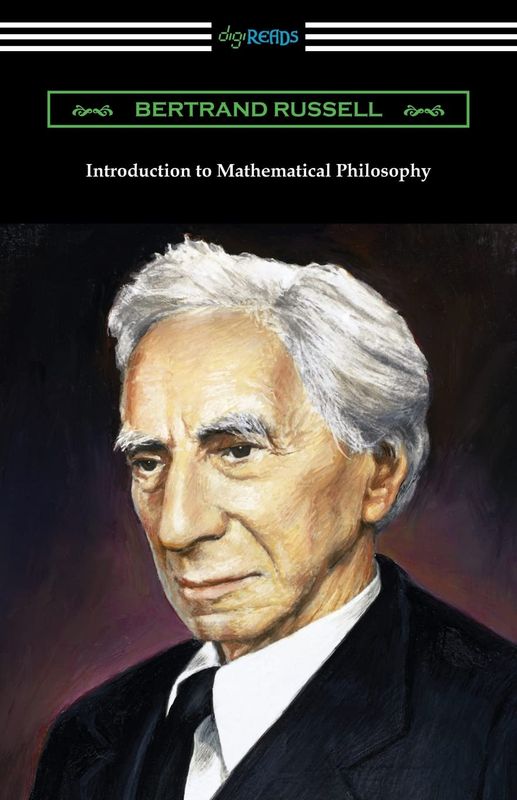
In 'Introduction to Mathematical Philosophy,' Bertrand Russell takes readers on a fascinating journey through the foundations of mathematics and its philosophical implications. He explores concepts such as numbers, infinity, and the nature of mathematical truth, challenging conventional thinking. With his unique blend of clarity and insight, Russell demystifies complex ideas, revealing the profound connections between logic and mathematics. This thought-provoking work not only invites readers to rethink their understanding of numbers but also questions the very essence of reality itself. A must-read for anyone intrigued by the interplay of philosophy and mathematics, this book promises to expand your horizons.
Conscious Book Summary
In 'Conscious,' Annaka Harris explores the enigmatic nature of consciousness, diving into profound questions about awareness and existence. Through a blend of science and philosophy, she challenges the conventional understanding, prompting readers to re-evaluate their perceptions of reality. Harris skillfully navigates the intricate relationship between the brain and subjective experience, shedding light on the mysteries that lie within. With thought-provoking insights and accessible prose, this book invites both the curious and the skeptical to ponder the depths of consciousness. Will you uncover the secrets of your own mind?
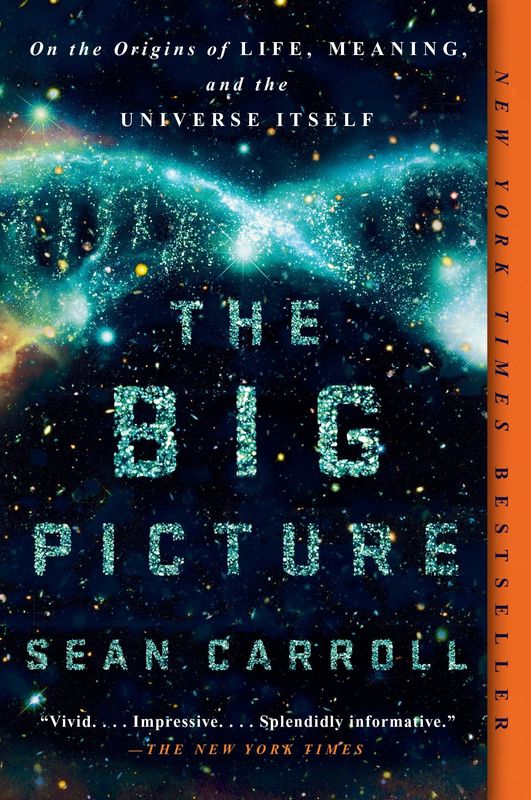
The Big Picture Book Summary
In 'The Big Picture', physicist Sean Carroll invites readers to explore the fascinating intersections of science, philosophy, and the meaning of life. He delves into the fundamental nature of reality, presenting complex concepts in a captivating and accessible manner. With a blend of narratives and profound insights, Carroll challenges us to consider our place in the universe. As he unravels the mysteries of existence, readers are urged to reflect on the implications of science for understanding consciousness and our everyday experiences. This thought-provoking journey leaves us questioning: what does it truly mean to be human in a cosmos governed by natural laws?
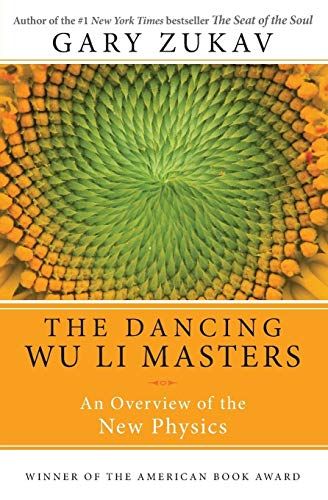
Dancing Wu Li Masters Book Summary
In 'Dancing Wu Li Masters,' Gary Zukav invites readers into the fascinating intersection of physics and Eastern philosophy. This insightful exploration reveals how the realms of quantum mechanics and ancient wisdom converge, challenging our understanding of reality. Zukav introduces readers to the 'Wu Li Masters,' a captivating metaphor for scientists and spiritual seekers who are dancing in the quantum world. As he weaves together complex theories with accessible language, the book sparks curiosity about the nature of existence and consciousness. Prepare to be enlightened as you journey through the seemingly paradoxical ideas that govern our universe.
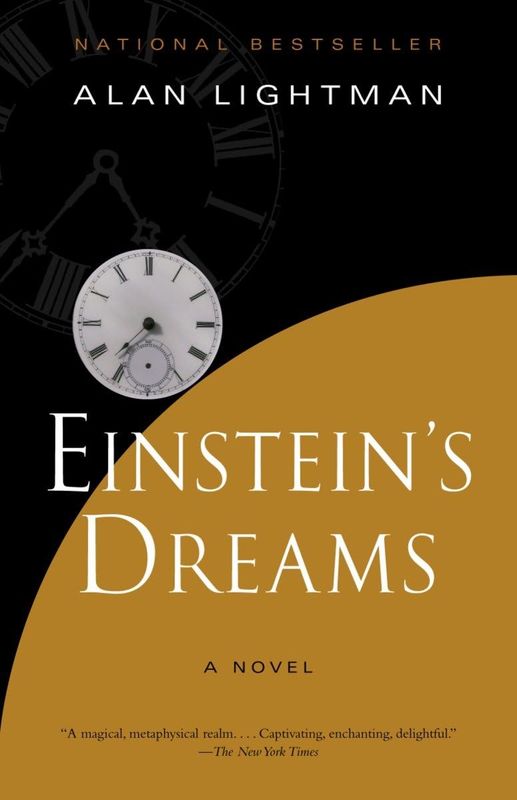
Einstein's Dreams Book Summary
In 'Einstein's Dreams', Alan Lightman weaves a tapestry of imaginative stories that explore the nature of time through the dreams of a young Albert Einstein. Each dream presents a unique and captivating reality where time is experienced differently, challenging our conventional understanding. From a world where time is reversible to one where it stands still, these narratives provoke profound reflections on life, love, and the human condition. As Einstein grapples with the implications of his groundbreaking theories, readers are invited to contemplate their own relationships with time. This thought-provoking novel blends science, philosophy, and art into a mesmerizing exploration of existence itself.
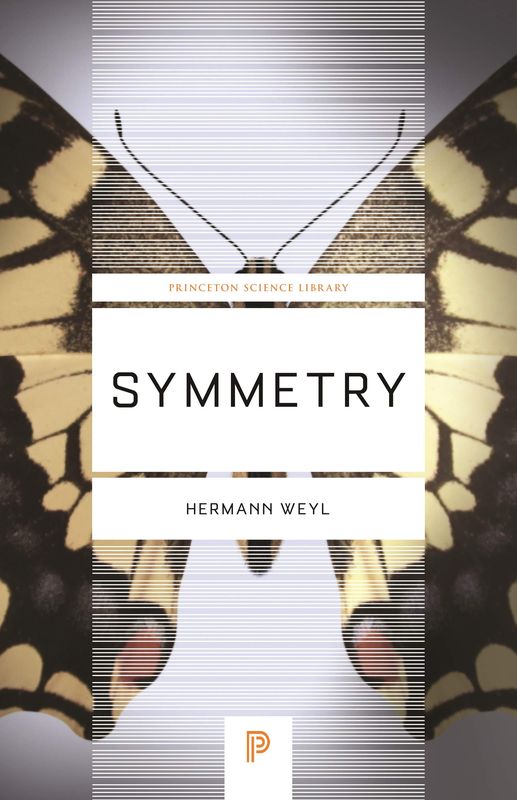
Symmetry Book Summary
In 'Symmetry,' Hermann Weyl explores the profound concept of symmetry as a fundamental principle in mathematics and nature. He weaves together the threads of physics, art, and philosophy, revealing how symmetry shapes our understanding of the universe. Through intriguing insights, Weyl invites readers to consider how aesthetic beauty is intertwined with scientific truth. As he delves into the realms of geometry and theoretical physics, he unravels the mysteries that govern our world. This book is not just an exploration of a mathematical concept; it is a journey that challenges the way we perceive reality itself.
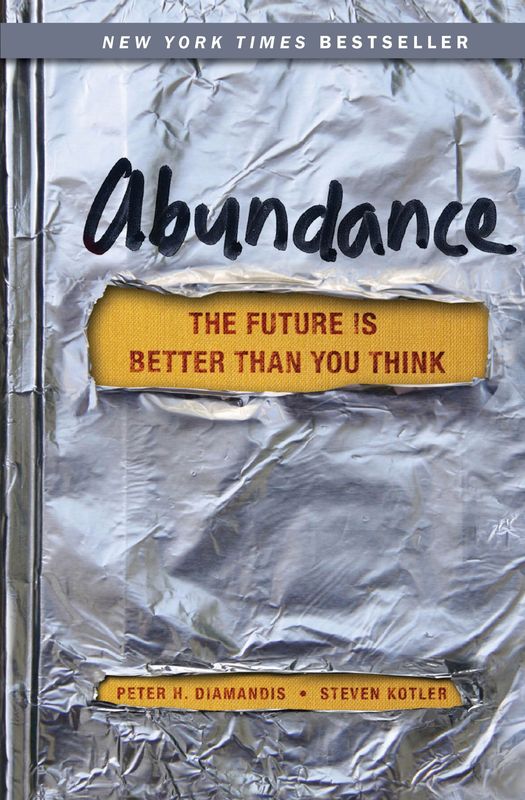
Abundance Book Summary
In 'Abundance', Peter H. Diamandis and Steven Kotler explore the exhilarating possibilities of innovation and technology in overcoming global challenges. The authors argue that we are on the brink of a new era where exponential advancements can provide solutions to issues like hunger, scarcity, and disease. Through compelling case studies, they highlight visionary thinkers and entrepreneurs who are harnessing these resources to create a better future. This book not only challenges the prevailing narrative of scarcity but ignites a sense of hope and action. Dive in to discover how we can collectively shape a world of abundance!
Showing 8 of 28 similar books
Take your reading experience to the next level
Download our mobile app to enjoy your favorite books on the go. Get access to exclusive features, offline listening, and personalized recommendations.

Similar Book Recommendations →
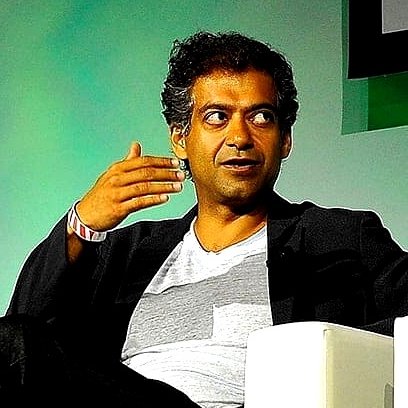
Naval Ravikant's Book Recommendations
Naval Ravikant is an entrepreneur, angel investor, and philosopher, best known as the co-founder of AngelList, a platform that connects startups with investors. Ravikant is a prolific thinker and writer on topics such as startups, investing, and personal well-being, sharing his wisdom through essays, podcasts, and social media. He has invested in over 100 companies, including Uber, Twitter, and Yammer, making him one of Silicon Valley’s most successful angel investors. Ravikant is also known for his philosophical musings on wealth, happiness, and the meaning of life, which have garnered him a large and dedicated following.

Joe Rogan's Book Recommendations
Joe Rogan is a multifaceted American entertainer known primarily for his work as a comedian, podcast host, and commentator. He gained widespread recognition through his immensely popular podcast, "The Joe Rogan Experience," which has featured in-depth conversations with a diverse array of guests, including scientists, celebrities, and politicians. Though not primarily known for literature, Rogan has contributed to the field with his thought-provoking discussions that often explore philosophical and intellectual ideas. Additionally, he has authored the book "Mastering the Rubber Guard," which delves into Brazilian Jiu-Jitsu techniques, showcasing his expertise in martial arts. Rogan's influence extends beyond traditional media, impacting contemporary discourse through his unique blend of humor, curiosity, and critical thinking.
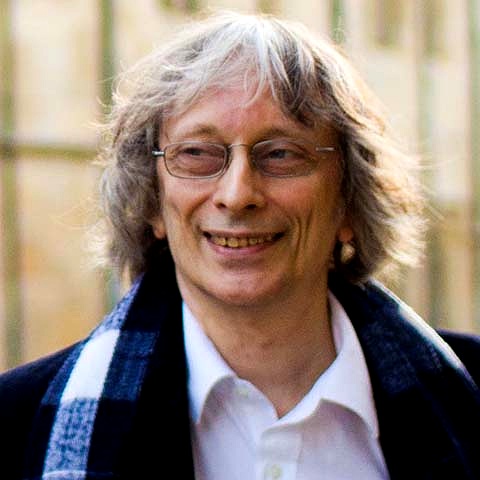
David Deutsch's Book Recommendations
David Deutsch is a British physicist and philosopher, widely known for his contributions to quantum mechanics, particularly in the area of quantum computation. He is the author of The Fabric of Reality and The Beginning of Infinity, where he explores the nature of knowledge, progress, and the future of human civilization. Deutsch’s work in quantum computing laid the groundwork for the development of quantum algorithms, positioning him as a pioneer in this emerging field. He is a proponent of the multiverse theory and has offered profound insights into the nature of reality, science, and human potential. Deutsch’s philosophical work emphasizes the power of reason and creativity in solving problems and expanding human understanding. His ideas have had a significant impact on the fields of theoretical physics and epistemology, making him a leading thinker on the future of science and technology. He continues to inspire both scientists and lay readers with his optimistic vision of a world shaped by knowledge and innovation.
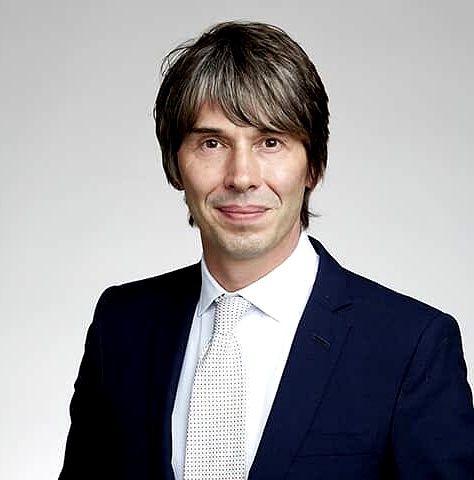
Brian Cox's Book Recommendations
Brian Cox is a Scottish actor and director, best known for his roles in films like Braveheart and Adaptation, as well as for his portrayal of media mogul Logan Roy in the hit HBO series Succession. Cox is renowned for his commanding screen presence and his ability to convey complex, often morally ambiguous characters. He has had a distinguished career in both film and theater, earning numerous awards, including a Golden Globe for his performance in Succession. In addition to his acting work, Cox is a vocal advocate for arts education and has been involved in various charitable initiatives. His longevity and versatility have made him a respected and influential figure in the entertainment industry.
Sam Altman's Book Recommendations
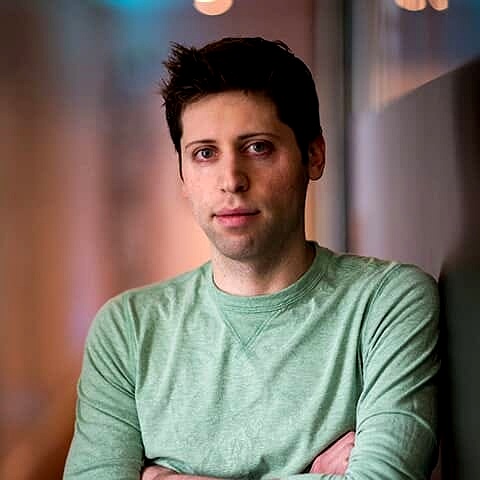
Sam Altman is an American entrepreneur, programmer, and investor, best known as the former president of Y Combinator, a startup accelerator that has launched numerous successful companies, including Airbnb, Dropbox, and Reddit. Altman himself is a co-founder of OpenAI, an organization focused on ensuring that artificial intelligence benefits all of humanity. He has been a leading voice in the tech world, advocating for responsible innovation and the ethical use of AI. Under his leadership, Y Combinator grew into one of the most influential organizations in Silicon Valley, helping to fund and mentor early-stage startups. Altman’s blog and writings are widely read in the tech community, where he shares his insights on entrepreneurship, technology, and the future of AI. He has also been involved in several philanthropic ventures and continues to influence the tech world through his investments and thought leadership. His work at OpenAI has put him at the forefront of discussions about the future of artificial intelligence.

Phil Libin's Book Recommendations
Phil Libin is a renowned entrepreneur and technology executive, best known for co-founding and serving as the CEO of Evernote, a highly influential note-taking application that has transformed productivity and personal organization. Under his leadership, Evernote grew to over 100 million users globally, establishing itself as a pioneer in the personal and professional productivity space. In addition to his work with Evernote, Libin co-founded All Turtles, an AI startup studio, and serves as the CEO of mmhmm, a company enhancing virtual communication through innovative video tools. His contributions to the tech industry have been widely recognized, earning him a reputation as a forward-thinking leader in digital innovation. Although not primarily known for literature, his insights on technology and entrepreneurship have been featured in various publications, inspiring many in the industry.

Mark Zuckerberg's Book Recommendations
Mark Zuckerberg is an American technology entrepreneur best known for co-founding Facebook, the world's largest social media platform, which transformed global communication. Born on May 14, 1984, in White Plains, New York, he launched Facebook in 2004 while attending Harvard University. Under his leadership, Facebook expanded rapidly, influencing the social media landscape and digital advertising. Zuckerberg has also authored numerous articles and essays on technology, innovation, and the future of the internet. His work has had a profound impact on how people connect and share information in the digital age.
“In the theater of the quantum realm, every observation is a dramatic act that shapes reality, revealing the intricate dance of possibility and existence.”
The Quantum Moment
By Robert P Crease, Alfred Scharff Goldhaber
Frequently Asked Questions
Explore Our Catalogue
Discover a world of knowledge through our extensive collection of book summaries.
Genres
Genres
Genres
Featured Collections
- Top Book Club Picks
- One-Stop Nutrition
- Summer Reads 2024
- Best Beach Reads 2024
- Work-Life Balance Guide
- Time Management
- Healthy Foods
- Entrepreneur Toolkit
- Mind & Body Wellness
- Future Tech Insights
- Leadership Essentials
- Financial Freedom
- Sci-Fi Masterpieces
- Parenting 101
- Books That Became Blockbusters
- Guide to a Healthy Pregnancy