The Seventh Sense Book Summary
In 'The Seventh Sense', Joshua Cooper Ramo explores the intersecting worlds of technology, economics, and geopolitics, revealing the hidden forces that shape our future. He introduces the concept of the 'seventh sense'—a heightened awareness that enables individuals to perceive the intricacies of a rapidly changing landscape. As nations grapple with upheaval and unpredictability, Ramo provides insights into how businesses and leaders can navigate this complexity. With compelling anecdotes and sharp analysis, the book challenges readers to rethink their understanding of influence and power. Dive into this thought-provoking journey and uncover the unseen dynamics that dictate the course of our lives.
By Joshua Cooper Ramo
Published: 2016
"In a world connected by invisible threads, intuition is the key that unlocks the future, reminding us that the unseen holds the power to shape our destiny."
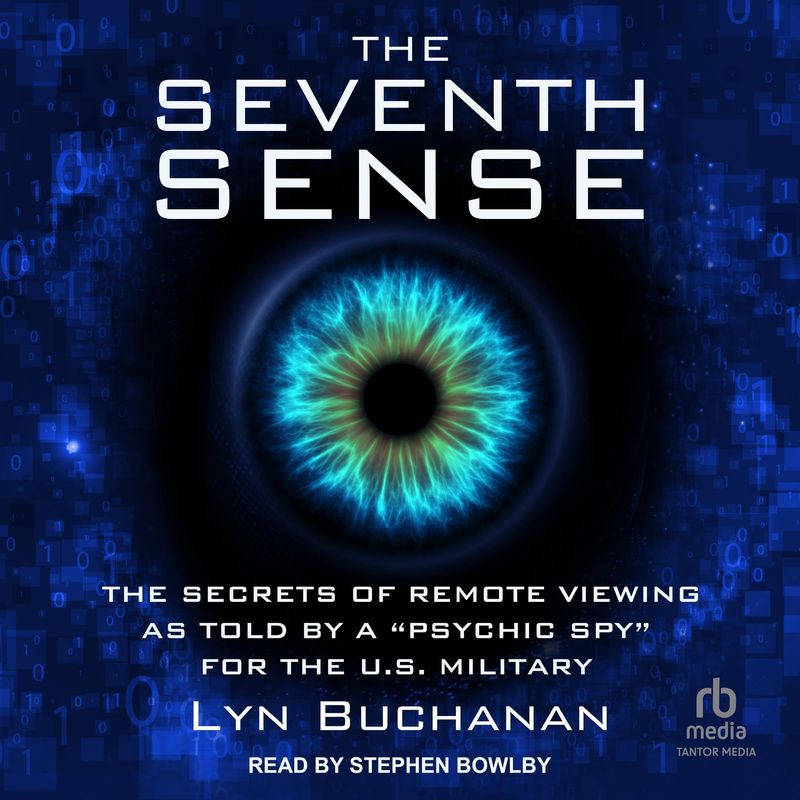

Start Listening to Book Summary
Book Review of The Seventh Sense
NEW YORK TIMES BESTSELLER WASHINGTON POST BESTSELLER Winner of the getAbstract 17th International Book Award "The Seventh Sense is a concept every businessman, diplomat, or student should aspire to master--a powerful idea, backed by stories and figures that will be impossible to forget." -- Walter Isaacson, author of Steve Jobs and Leonardo da Vinci Endless terror. Refugee waves. An unfixable global economy. Surprising election results. New billion-dollar fortunes. Miracle medical advances. What if they were all connected? What if you could understand why? The Seventh Sense is the story of what all of today's successful figures see and feel: the forces that are invisible to most of us but explain everything from explosive technological change to uneasy political ripples. The secret to power now is understanding our new age of networks. Not merely the Internet, but also webs of trade, finance, and even DNA. Based on his years of advising generals, CEOs, and politicians, Ramo takes us into the opaque heart of our world's rapidly connected systems and teaches us what the losers are not yet seeing--and what the victors of this age already know.
Book Overview of The Seventh Sense
About the Book Author
Joshua Cooper Ramo
Joshua Cooper Ramo is an acclaimed author and thought leader known for his insightful writings on globalization, technology, and the intersection of culture and commerce. His notable works include 'The Age of the Unthinkable,' which explores the complexities of modern crises and the necessity of innovative thinking, and 'The Seventh Sense: Power, Fortune, and Survival in the New Economy,' where he examines the influence of intuition in a rapidly changing world. Ramo's writing style is characterized by a compelling blend of narrative and analysis, seamlessly integrating real-world examples with deep theoretical insights, making complex subjects accessible and engaging to a broad audience.
Book Details
Key information about the book.
- Authors
- Joshua Cooper Ramo
- Published
- May 2016
- Publisher
- Little, Brown
- ISBN
- 0316285064
- Language
- English
- Pages
- N/A
- Genres
- Global EconomicsBusiness and EconomicsGeopoliticsPolitics and Current Affairs
Purchase Options
 Buy on Amazon
 Buy via BookShop
Support local bookstores: BookShop gives a portion of each sale to independent bookshops!
Similar books you might like →
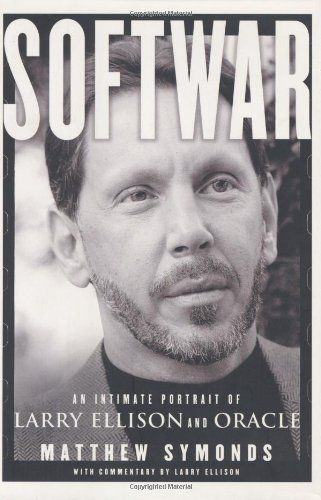
Softwar Book Summary
'Softwar' by Matthew Symonds delves into the intricate and often secretive world of software development amidst global geopolitics. As nations harness technology for power, the narrative reveals how software now plays a crucial role in warfare and diplomacy. With insider stories and vivid characters, Symonds illustrates the intersection of cyberspace and the physical world, raising questions about ethics and control. The book challenges readers to consider the implications of a technology-driven future shaped by both innovation and conflict. Will the next conflict be fought not on battlegrounds, but in the software that powers our lives?
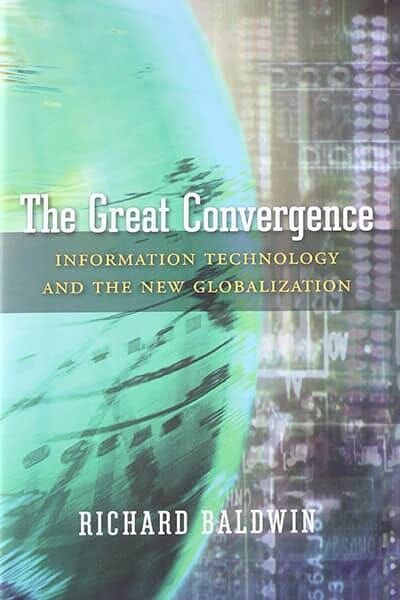
The Great Convergence Book Summary
In 'The Great Convergence,' Richard Baldwin takes readers on a compelling journey through the forces shaping our global economy, emphasizing the revolutionary impact of digital technology. He argues that the convergence of production and consumption is redefining international borders and reshaping global trade. As we become more interconnected than ever, Baldwin raises critical questions about the future of jobs and economic disparity. Will the merging of markets lead to prosperity, or will it deepen existing divides? A thought-provoking exploration that challenges conventional wisdom and invites readers to rethink the implications of our rapidly changing world.
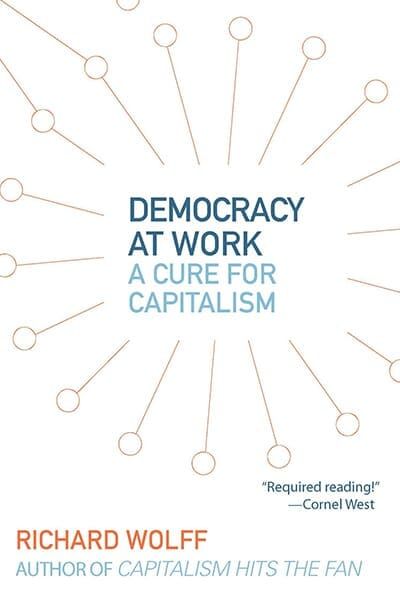
Democracy at Work Book Summary
In 'Democracy at Work', Richard D. Wolff challenges the conventional notions of democracy and the workplace, advocating for a radical transformation where workers have a say in their enterprises. Through compelling arguments and real-world examples, he explores the failures of capitalism and presents a vision for a more just and equitable economic system. Wolff introduces the idea of worker cooperatives as a feasible alternative, illustrating how they can empower employees and foster true democratic practices. This thought-provoking book urges readers to reconsider their understanding of democracy beyond the confines of politics and into the very fabric of their daily work lives. Are we ready to rethink who really holds the power in the workplace?


Business as a System of Power Book Summary
In 'Business as a System of Power', Robert A. Brady delves into the intricate relationship between business and political power in America. He posits that corporations are not merely economic entities, but powerful institutions that shape public policy and societal norms. Through a compelling blend of historical analysis and contemporary examples, Brady uncovers how business influences democracy and governance. Readers are invited to reflect on the ethical implications of this power dynamic. What does it mean for society when business interests can circumvent democratic processes?

Capital Book Summary
In 'Capital,' Karl Marx unveils the intricate mechanics of capitalism, revealing how it perpetuates class struggle and economic disparity. Through a meticulous exploration of labor, commodity, and value, he exposes the exploitative relationships hiding beneath the surface of wealth. With a bold critique of industrial society, Marx argues that the relentless pursuit of profit leads to societal decay and discontent. His revolutionary ideas challenge the very foundations of capitalism, prompting readers to question the status quo. Dive into this groundbreaking work that continues to influence modern economic thought and societal change.

Politicide Book Summary
In 'Politicide', Baruch Kimmerling presents a thought-provoking examination of the complex interplay between politics and violence in the Israeli-Palestinian conflict. He introduces the concept of 'politicide', a strategy that systematically undermines the existence of a group, leading to a chilling narrative of state-sponsored aggression. Kimmerling's incisive analysis reveals the deep-rooted socio-political factors fueling decades of turmoil and suffering. The book challenges readers to confront uncomfortable truths about power, identity, and the human cost of conflict. With eloquent prose and compelling arguments, 'Politicide' is a must-read for anyone seeking to understand the intricacies of contemporary geopolitics.

Collusion Across the Jordan Book Summary
In 'Collusion Across the Jordan,' Avi Shlaim unveils the intricate and often hidden relationships between Israel and Jordan during pivotal moments in Middle Eastern history. Through meticulous research and compelling storytelling, he reveals how political maneuvering and shared interests have shaped the narratives of both nations. The book challenges conventional wisdom and encourages readers to reconsider the complexities of Arab-Israeli relations. Shlaim's insights highlight the impact of diplomacy and secret agreements that influenced the region's fate. Prepare for a journey that intertwines history, politics, and the human spirit in ways that will leave you questioning the very foundations of contemporary geopolitics.
Showing 8 of 30 similar books
Take your reading experience to the next level
Download our mobile app to enjoy your favorite books on the go. Get access to exclusive features, offline listening, and personalized recommendations.

Similar Book Recommendations →

Neil deGrasse Tyson's Book Recommendations
Neil deGrasse Tyson is a renowned astrophysicist, author, and science communicator, best known for his work in popularizing science through various media. As the director of the Hayden Planetarium in New York City, he has played a pivotal role in bringing astronomical discoveries to the public. Tyson has authored several bestselling books, including "Astrophysics for People in a Hurry" and "The Pluto Files," which have made complex scientific concepts accessible to a broad audience. He is also the host of the popular science TV show "Cosmos: A Spacetime Odyssey," a continuation of Carl Sagan's groundbreaking series. Tyson's contributions have significantly enhanced public understanding and appreciation of the universe.

David Heinemeier Hansson's Book Recommendations
David Heinemeier Hansson, also known as DHH, is a Danish programmer, entrepreneur, and author, best known as the creator of Ruby on Rails, a popular web application framework. Heinemeier Hansson is also a partner at Basecamp, a project management and collaboration software company he co-founded. His contributions to software development have earned him widespread recognition, with Ruby on Rails being used by thousands of developers and companies worldwide. Heinemeier Hansson is also a vocal advocate for remote work, simplicity in business, and sustainable work practices, ideas he explores in his bestselling books Rework and It Doesn’t Have to Be Crazy at Work. In addition to his work in tech, he is an accomplished race car driver, having competed in the 24 Hours of Le Mans. Heinemeier Hansson’s approach to work-life balance and entrepreneurship has made him a thought leader in the tech community, where he continues to challenge traditional business practices and advocate for more human-centered approaches to work

Naval Ravikant's Book Recommendations
Naval Ravikant is an entrepreneur, angel investor, and philosopher, best known as the co-founder of AngelList, a platform that connects startups with investors. Ravikant is a prolific thinker and writer on topics such as startups, investing, and personal well-being, sharing his wisdom through essays, podcasts, and social media. He has invested in over 100 companies, including Uber, Twitter, and Yammer, making him one of Silicon Valley’s most successful angel investors. Ravikant is also known for his philosophical musings on wealth, happiness, and the meaning of life, which have garnered him a large and dedicated following.

Ryan Holiday's Book Recommendations
Ryan Holiday is a bestselling author and media strategist known for his books on stoicism, including The Obstacle Is the Way and Ego Is the Enemy. He is a leading voice in modern stoic philosophy, teaching readers how to apply ancient wisdom to achieve personal and professional success. Holiday’s work emphasizes resilience, discipline, and humility as keys to navigating life’s challenges. He has consulted with major companies and individuals on marketing and strategy, blending stoic principles with contemporary business practices. His books have been translated into over 30 languages.

Ben Shapiro's Book Recommendations
Ben Shapiro is an American conservative political commentator, author, and lawyer, known for his sharp analytical skills and outspoken views. He graduated from UCLA at the age of 20 and Harvard Law School at 23, demonstrating his early intellectual prowess. Shapiro is the author of several best-selling books including "Bullies: How the Left's Culture of Fear and Intimidation Silences Americans" and "The Right Side of History: How Reason and Moral Purpose Made the West Great." He is the co-founder and editor emeritus of The Daily Wire, a popular conservative news and opinion website. Through his writing and media presence, Shapiro has significantly influenced contemporary political discourse in the United States.

Jon Stewart's Book Recommendations
Jon Stewart is an American comedian, writer, and former host of The Daily Show, where he gained fame for his satirical take on news and politics. Stewart transformed The Daily Show into a critical voice in American media, blending humor with hard-hitting commentary on political and social issues. After stepping down from the show, Stewart has continued to advocate for causes like 9/11 first responders and veterans' rights. He is also a filmmaker, directing the political satire film Irresistible. Stewart remains a significant figure in American culture, known for his wit, activism, and influence on political discourse.

Reid Hoffman's Book Recommendations
Reid Hoffman is an influential American entrepreneur, venture capitalist, and author, best known as the co-founder of LinkedIn, the professional networking platform that transformed online professional interactions. Hoffman has significantly impacted the business world through his investments in notable tech companies like Airbnb, Facebook, and Zynga. As an author, he has co-written several acclaimed books, including "The Start-Up of You" and "Blitzscaling," which provide strategic insights into career development and business growth. His works are celebrated for their practical advice and have become essential reading for aspiring entrepreneurs and business leaders. Hoffman's contributions extend beyond his literary efforts, as he remains a prominent figure in Silicon Valley, shaping the future of technology and innovation.

Bill Gates's Book Recommendations
Bill Gates, co-founder of Microsoft Corporation, is a pioneering figure in the tech industry, having played a key role in the personal computer revolution. His work at Microsoft, particularly the development of Windows, transformed software and computing globally. Beyond his technology contributions, Gates is also a prolific author, with notable works such as "The Road Ahead" and "Business @ the Speed of Thought," which offer insights into the future of technology and business. Additionally, his philanthropic efforts through the Bill & Melinda Gates Foundation have had a profound impact on global health, education, and poverty. Gates continues to influence both technology and literature with his forward-thinking perspectives and innovative ideas.
Showing 8 of 17 related collections
“In a world connected by invisible threads, intuition is the key that unlocks the future, reminding us that the unseen holds the power to shape our destiny.”
The Seventh Sense
By Joshua Cooper Ramo
Frequently Asked Questions
Explore Our Catalogue
Discover a world of knowledge through our extensive collection of book summaries.
Genres
Genres
Genres
Featured Collections
- Top Book Club Picks
- One-Stop Nutrition
- Summer Reads 2024
- Best Beach Reads 2024
- Work-Life Balance Guide
- Time Management
- Healthy Foods
- Entrepreneur Toolkit
- Mind & Body Wellness
- Future Tech Insights
- Leadership Essentials
- Financial Freedom
- Sci-Fi Masterpieces
- Parenting 101
- Books That Became Blockbusters
- Guide to a Healthy Pregnancy