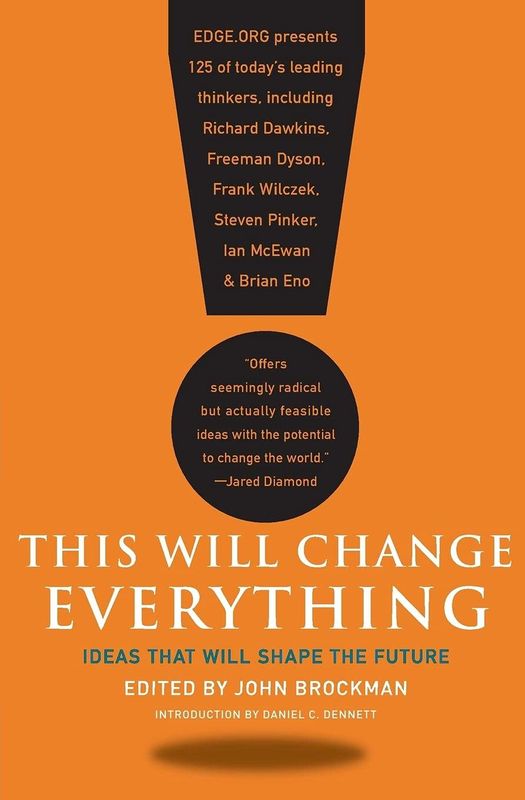
This Will Change Everything Book Summary
In 'This Will Change Everything', John Brockman curates a provocative collection of essays from leading scientists and thinkers, unraveling groundbreaking ideas that promise to reshape our understanding of the universe. From the implications of artificial intelligence to the mysteries of consciousness, each contribution ignites wonder and urgency about our future. Readers are invited to contemplate the profound interplay between technology, society, and the individual. The book challenges us to question our assumptions and envision the transformative possibilities that lie ahead. Dive into this journey of innovation and revelation, and discover what could fundamentally alter the course of humanity.
By John Brockman
Published: 2009
"What happens when we embrace the unknown and the unimaginable, realizing that the future is not just a continuation of the past, but a realm of endless possibilities?"

Start Listening to Book Summary
Book Review of This Will Change Everything
"What game-changing scientific ideas and developments do you expect to live to see?" This is the question John Brockman, publisher of Edge.org, posed to more than 100 of the world's most influential minds. Exhilarating, visionary, sometimes frightening, but always fascinating, their responses provide an eye-opening road map of our near future.
Book Overview of This Will Change Everything
About the Book Author
John Brockman
John Brockman is an influential author, literary agent, and the founder of the Edge Foundation, an organization that promotes intellectual discourse on science and technology. He is best known for his writings on the intersection of science, culture, and society. Brockman has edited several notable anthologies including 'The Third Culture' (1995) and 'What Is Your Dangerous Idea?' (2009), which feature contributions from some of the leading thinkers in contemporary science and philosophy. His writing style is characterized by clarity, analytical depth, and a focus on thought-provoking concepts that challenge conventional wisdom.
Book Details
Key information about the book.
- Authors
- John Brockman
- Published
- December 2009
- Publisher
- Harper Perennial
- ISBN
- 0061899674
- Language
- English
- Pages
- N/A
- Genres
- Science and Technology BiographiesArtificial IntelligenceScience and NatureTechnology
Purchase Options
 Buy on Amazon
 Buy via BookShop
Support local bookstores: BookShop gives a portion of each sale to independent bookshops!
Similar books you might like →
Homo Deus Book Summary
In "Homo Deus: A Brief History of Tomorrow," Yuval Noah Harari explores the future possibilities for humanity as we evolve beyond our current limitations. Delving into themes of artificial intelligence, genetic engineering, and the quest for immortality, he provokes thought about what may come after Homo sapiens. As society increasingly turns to technology for solutions, he questions the implications of our pursuit of happiness and god-like powers. Will we augment our bodies and minds, or lose our humanity in the process? This provocative journey invites readers to ponder the exhilarating—and terrifying—potential of our own evolution.
Don't Shoot the Dog Book Summary
In 'Don't Shoot the Dog,' Karen Pryor unveils the captivating principles of animal training that can be applied to everyday human interactions. With humor and insight, she demonstrates how positive reinforcement can transform behavior without resorting to punishment. This book prompts readers to reconsider their approaches to communication, learning, and motivation. Pryor's engaging anecdotes make complex psychological concepts accessible and relatable. Whether you're a pet owner or simply interested in human behavior, this book offers profound lessons that challenge conventional wisdom.
Superintelligence Book Summary
In 'Superintelligence', Nick Bostrom explores the future of artificial intelligence and its potential to surpass human intelligence. He delves into the profound implications this could have for humanity's survival and progress. With a blend of philosophical inquiry and rigorous analysis, Bostrom warns of the unforeseen risks associated with creating superintelligent machines. His thought-provoking arguments challenge readers to consider the ethical responsibilities that come with technological advancement. Will we be the masters of our own creations or their unwitting victims?
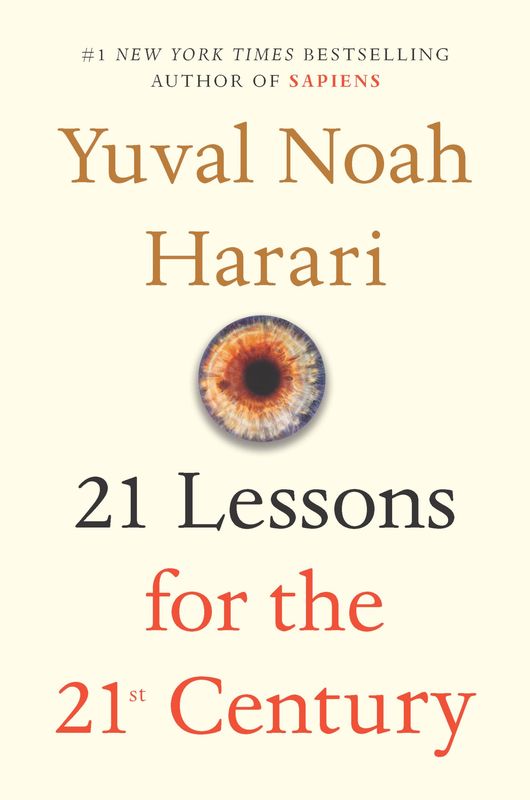
21 Lessons for the 21st Century Book Summary
In '21 Lessons for the 21st Century', Yuval Noah Harari navigates the complex landscape of today's world, tackling urgent questions about our future. From the impact of technology on society to the challenges of political stability, each lesson provokes thought and introspection. Harari explores key themes such as the rise of artificial intelligence, the significance of data, and the importance of meaning in an increasingly uncertain world. With a blend of history, philosophy, and science, the book invites readers to reflect on their roles in shaping a shared future. Will we adapt, or become obsolete? Dive in to uncover the lessons that could redefine humanity's path.
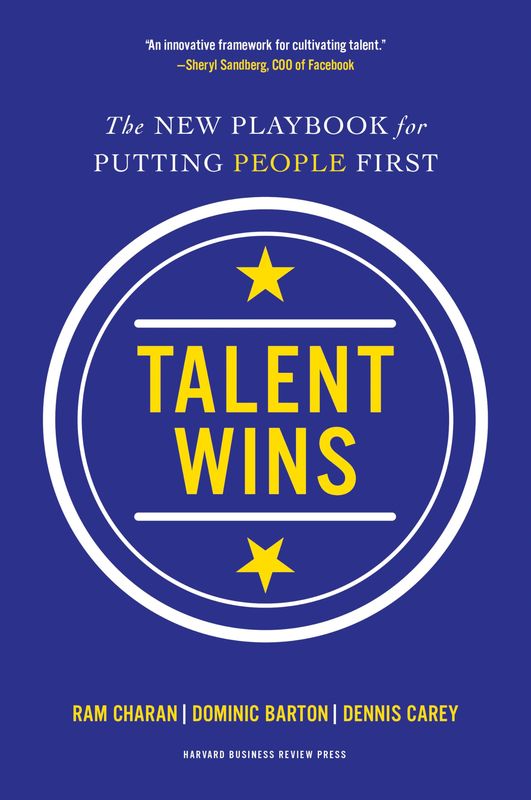
Talent Wins Book Summary
In 'Talent Wins', renowned authors Ram Charan, Dominic Barton, and Dennis Carey unveil the pivotal role talent plays in driving organizational success. They argue that traditional strategies fall short without a focus on attracting and nurturing exceptional people. Through compelling case studies and actionable insights, the book reveals how companies can create a competitive edge by investing in their human resources. A must-read for leaders, it challenges readers to rethink their approach to talent management. Can organizations truly thrive in the future without recognizing talent as their most valuable asset?
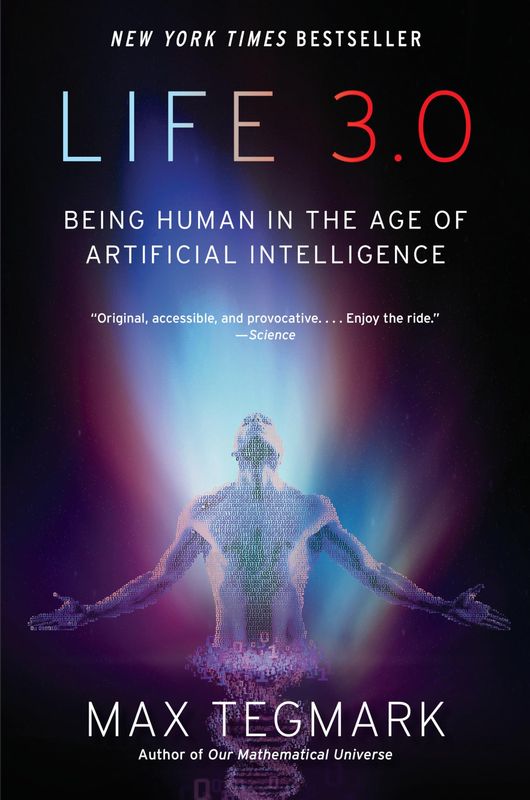
Life 3.0 Book Summary
In 'Life 3.0', Max Tegmark explores the future of artificial intelligence and its profound implications for life on Earth. He presents a thought-provoking vision where humanity must grapple with the rise of superintelligent machines and the potential paths we can take. Tegmark challenges readers to consider ethical dilemmas and the responsibilities that come with unprecedented technological power. As we stand at the brink of a new era, he asks: how can we ensure that AI serves humanity's best interests? This engaging exploration leaves you pondering the fate of our species and the universe.
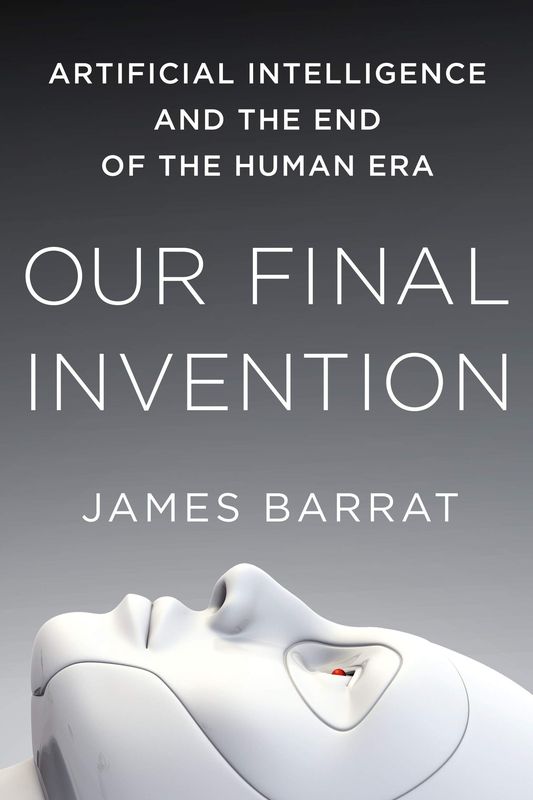
Our Final Invention Book Summary
In 'Our Final Invention', James Barrat dives into the profound implications of artificial intelligence, articulating the risks of creating machines that could surpass human intelligence. He presents a compelling argument that, while AI holds incredible potential to transform society, it also poses existential threats that we must confront. The narrative weaves together historical insights, expert opinions, and alarming scenarios that challenge our understanding of intelligence itself. As advancements in technology accelerate, Barrat urges readers to question the limits of our control over these creations. Will our quest for innovation ultimately lead to our downfall, or can we chart a safe path forward?
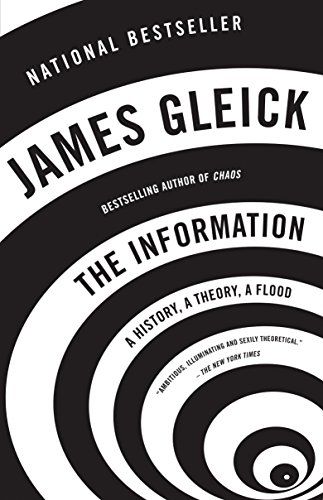
The Information Book Summary
In 'The Information', James Gleick masterfully explores the evolution of information from ancient communication methods to the digital age. He delves into how language, code, and data have shaped human civilization and our understanding of the universe. Gleick's narrative interweaves historical tales with modern technology, illustrating how information is the cornerstone of science and culture. Readers are invited to ponder: What does it mean to live in an age overflowing with information? This compelling journey reveals the profound impact of information on our lives and the future.
Showing 8 of 30 similar books
Take your reading experience to the next level
Download our mobile app to enjoy your favorite books on the go. Get access to exclusive features, offline listening, and personalized recommendations.

Similar Book Recommendations →
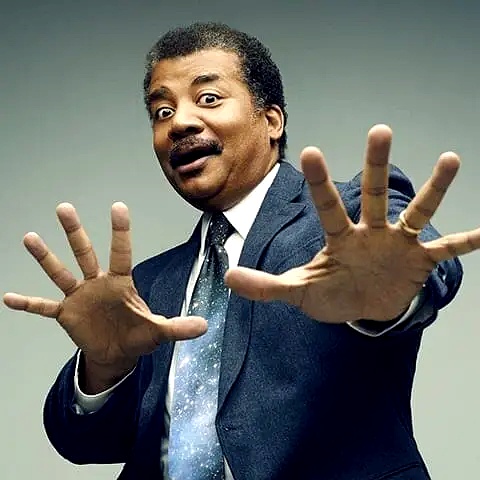
Neil deGrasse Tyson's Book Recommendations
Neil deGrasse Tyson is a renowned astrophysicist, author, and science communicator, best known for his work in popularizing science through various media. As the director of the Hayden Planetarium in New York City, he has played a pivotal role in bringing astronomical discoveries to the public. Tyson has authored several bestselling books, including "Astrophysics for People in a Hurry" and "The Pluto Files," which have made complex scientific concepts accessible to a broad audience. He is also the host of the popular science TV show "Cosmos: A Spacetime Odyssey," a continuation of Carl Sagan's groundbreaking series. Tyson's contributions have significantly enhanced public understanding and appreciation of the universe.

Yuval Noah Harari's Book Recommendations
Yuval Noah Harari is an Israeli historian and professor at the Hebrew University of Jerusalem, renowned for his best-selling books on the history and future of humankind. His 2014 book, "Sapiens: A Brief History of Humankind," has been translated into over 60 languages and examines the evolution of Homo sapiens from the Stone Age to the present. Harari's subsequent works, "Homo Deus: A Brief History of Tomorrow" and "21 Lessons for the 21st Century," explore future scenarios and contemporary global challenges. His writings blend history, science, and philosophy, making complex ideas accessible to a broad audience. Harari is also a sought-after speaker, sharing his insights on platforms like TED and the World Economic Forum.
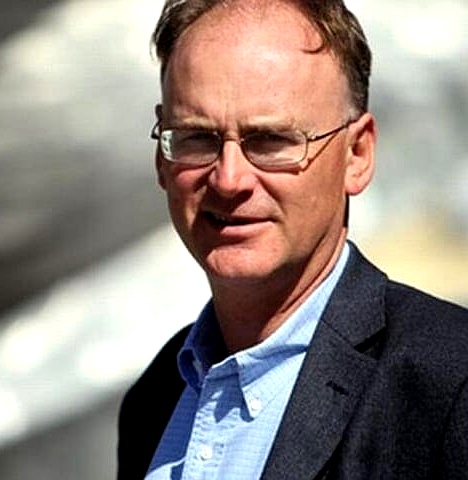
Matt Ridley's Book Recommendations
Matt Ridley is a British journalist, author, and businessman, best known for his books on science, economics, and human progress, including The Rational Optimist and The Evolution of Everything. Ridley’s work focuses on the power of innovation, free markets, and human ingenuity to drive progress and improve living standards. He is a member of the House of Lords and has written extensively on topics such as genetics, evolution, and the environment. Ridley’s optimistic view of human progress and his ability to explain complex scientific ideas have made him a popular author and public intellectual.
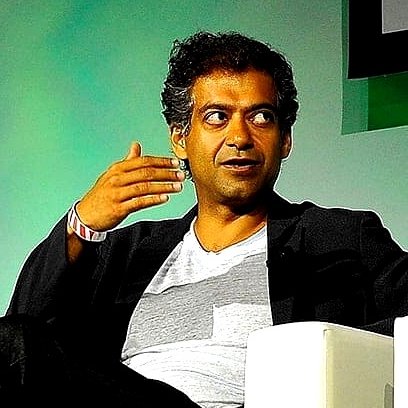
Naval Ravikant's Book Recommendations
Naval Ravikant is an entrepreneur, angel investor, and philosopher, best known as the co-founder of AngelList, a platform that connects startups with investors. Ravikant is a prolific thinker and writer on topics such as startups, investing, and personal well-being, sharing his wisdom through essays, podcasts, and social media. He has invested in over 100 companies, including Uber, Twitter, and Yammer, making him one of Silicon Valley’s most successful angel investors. Ravikant is also known for his philosophical musings on wealth, happiness, and the meaning of life, which have garnered him a large and dedicated following.

Charlie Munger's Book Recommendations
Charlie Munger is an American investor, businessman, and philanthropist, best known as the vice chairman of Berkshire Hathaway, where he partners with Warren Buffett. Renowned for his insights on investment strategies and mental models, Munger has significantly influenced the world of finance. His notable literary contributions include "Poor Charlie's Almanack," a compilation of his speeches and writings that distill his wisdom on decision-making and business principles. Munger's work emphasizes the importance of multidisciplinary thinking and continuous learning. Beyond his financial acumen, he is celebrated for his charitable efforts, particularly in education and healthcare.

Ray Dalio's Book Recommendations
Ray Dalio is the founder of Bridgewater Associates, one of the largest and most successful hedge funds in the world. He is also the author of the bestselling book Principles, where he outlines his philosophy on life, leadership, and investing. Ray is renowned for his unique approach to transparency, radical truth, and thoughtful disagreement within organizations. His insights into economics and investing have made him one of the most influential figures in the financial world. Dalio continues to be a thought leader in business, economics, and philanthropy.

Barack Obama's Book Recommendations
Barack Obama is the 44th President of the United States, serving from 2009 to 2017. As the first African American president, Obama’s leadership marked a historic moment in American history. His administration focused on healthcare reform, economic recovery from the Great Recession, and environmental policies. He is best known for the Affordable Care Act, as well as his efforts to expand civil rights and restore diplomatic relations with Cuba. Since leaving office, Obama has continued to engage in public life through his foundation, focusing on leadership development, civic engagement, and global issues.
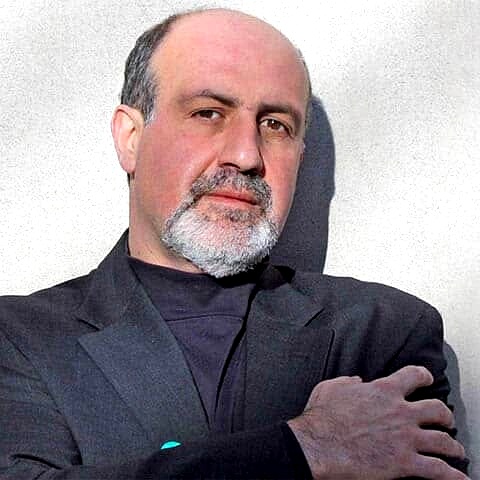
Nassim Nicholas Taleb's Book Recommendations
Nassim Nicholas Taleb is a Lebanese-American author, scholar, and risk analyst, best known for his work on uncertainty, probability, and risk. His books, including The Black Swan and Antifragile, explore how rare and unpredictable events shape the world and how individuals and systems can become more resilient to shocks. Taleb’s insights on risk management have influenced fields ranging from finance to medicine, and he is known for his outspoken criticism of conventional wisdom. His ideas about randomness, decision-making, and the limitations of human knowledge have made him a leading thinker in modern economics and philosophy.
Showing 8 of 22 related collections
“What happens when we embrace the unknown and the unimaginable, realizing that the future is not just a continuation of the past, but a realm of endless possibilities?”
This Will Change Everything
By John Brockman
Frequently Asked Questions
Explore Our Catalogue
Discover a world of knowledge through our extensive collection of book summaries.
Genres
Genres
Genres
Featured Collections
- Top Book Club Picks
- One-Stop Nutrition
- Summer Reads 2024
- Best Beach Reads 2024
- Work-Life Balance Guide
- Time Management
- Healthy Foods
- Entrepreneur Toolkit
- Mind & Body Wellness
- Future Tech Insights
- Leadership Essentials
- Financial Freedom
- Sci-Fi Masterpieces
- Parenting 101
- Books That Became Blockbusters
- Guide to a Healthy Pregnancy