Tools and Weapons Book Summary
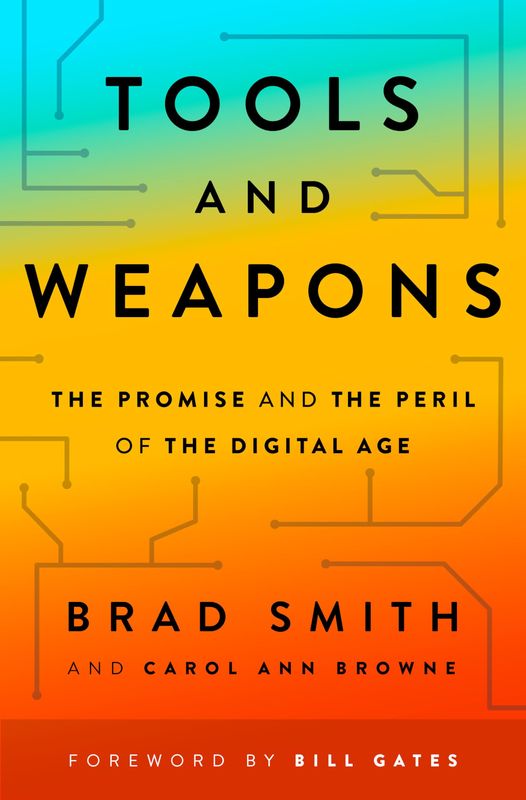
In 'Tools and Weapons,' Brad Smith and Carol Ann Browne dive into the profound impact of technology on society and the challenges it brings. They explore how the digital revolution can be both a powerful tool for innovation and a weapon for misuse. The authors share captivating stories from their experiences at Microsoft, highlighting ethical dilemmas and the importance of responsibility in tech development. As they navigate the intersection of technology and policy, they raise pressing questions about privacy, security, and our digital future. This thought-provoking read invites readers to consider how we can harness technology for good while mitigating its risks.
By Brad Smith, Carol Ann Browne
Published: 2019
"Technology is a powerful tool that can shape our future, but it demands responsibility and a commitment to using it for the greater good."

Start Listening to Book Summary
Book Review of Tools and Weapons
The instant New York Times bestseller. From Microsoft's president and one of the tech industry's broadest thinkers, a frank and thoughtful reckoning with how to balance enormous promise and existential risk as the digitization of everything accelerates. “A colorful and insightful insiders’ view of how technology is both empowering and threatening us. From privacy to cyberattacks, this timely book is a useful guide for how to navigate the digital future.” —Walter Isaacson Microsoft President Brad Smith operates by a simple core belief: When your technology changes the world, you bear a responsibility to help address the world you have helped create. This might seem uncontroversial, but it flies in the face of a tech sector long obsessed with rapid growth and sometimes on disruption as an end in itself. While sweeping digital transformation holds great promise, we have reached an inflection point. The world has turned information technology into both a powerful tool and a formidable weapon, and new approaches are needed to manage an era defined by even more powerful inventions like artificial intelligence. Companies that create technology must accept greater responsibility for the future, and governments will need to regulate technology by moving faster and catching up with the pace of innovation. In Tools and Weapons, Brad Smith and Carol Ann Browne bring us a captivating narrative from the cockpit of one of the world's largest and most powerful tech companies as it finds itself in the middle of some of the thorniest emerging issues of our time. These are challenges that come with no preexisting playbook, including privacy, cybercrime and cyberwar, social media, the moral conundrums of artificial intelligence, big tech's relationship to inequality, and the challenges for democracy, far and near. While in no way a self-glorifying "Microsoft memoir," the book pulls back the curtain remarkably wide onto some of the company's most crucial recent decision points as it strives to protect the hopes technology offers against the very real threats it also presents. There are huge ramifications for communities and countries, and Brad Smith provides a thoughtful and urgent contribution to that effort.
Book Overview of Tools and Weapons
About the Book Authors
Brad Smith
Brad Smith is a bestselling author known for his gripping contemporary fiction and thought-provoking narratives. His notable works include 'The Return', 'Ghostwalk', and 'The Last Child', each exploring complex themes such as identity, resilience, and the human condition. Smith's writing style is characterized by rich, evocative prose and a keen eye for detail, drawing readers into immersive worlds that reflect both personal and societal struggles. With numerous accolades to his name, Smith continues to captivate audiences and inspire fellow writers.
Carol Ann Browne
Carol Ann Browne is a celebrated author known for her engaging storytelling and vivid character development. She captivates readers with her lyrical prose and ability to weave intricate narratives that explore human emotions and relationships. Browne's notable works include 'Whispers of the Past,' a poignant exploration of memory and its impact on identity, and 'The Silent Echo,' a gripping tale of love and loss that has garnered critical acclaim. With a background in literature and a passion for crafting relatable stories, her writing often blends elements of contemporary fiction with rich, poetic language.
Book Details
Key information about the book.
- Authors
- Brad Smith, Carol Ann Browne
- Published
- September 2019
- Publisher
- Penguin
- ISBN
- 1984877712
- Language
- English
- Pages
- 370
- Genres
- Media EthicsDigital MediaTechnologyEmerging TechnologiesPolitics and Current Affairs
Purchase Options
 Buy on Amazon
 Buy via BookShop
Support local bookstores: BookShop gives a portion of each sale to independent bookshops!
Similar books you might like →
How Google Works Book Summary
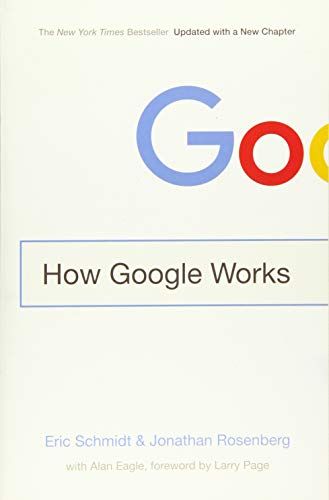
In "How Google Works", Eric Schmidt and Jonathan Rosenberg unveil the inner workings of one of the world's most innovative companies. Delving into the intersection of technology, business strategy, and culture, they explore how flexibility and creativity fuel Google's success. The authors share insider anecdotes and pivotal lessons about fostering collaboration and embracing change in a fast-paced digital landscape. You’ll discover the vital role data plays in decision-making and how to cultivate a "smart creatives" mindset. Prepare to be inspired by the blueprint of a company that has revolutionized not just the tech industry, but the very way we navigate information itself.
The Singularity Is Near Book Summary
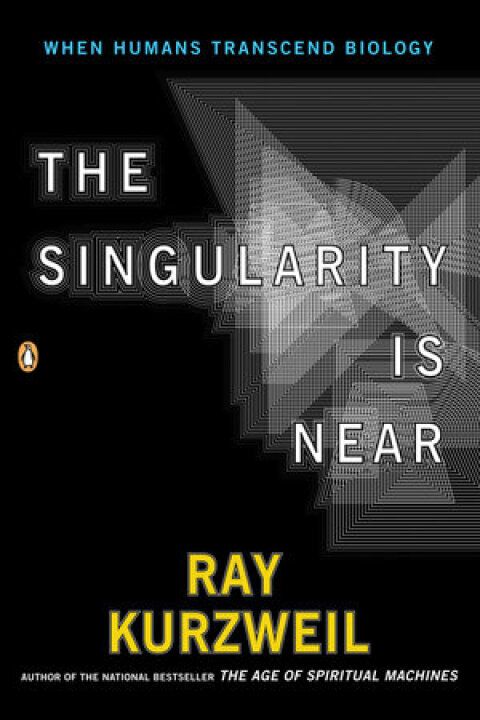
In "The Singularity Is Near," futurist Ray Kurzweil examines the transformative convergence of technology and biology, predicting a pivotal moment when artificial intelligence surpasses human intelligence. He explores the implications of exponentially accelerating advancements, from nanotechnology to genetic engineering, and their potential to reshape humanity. As Kurzweil articulates the challenges and opportunities posed by this evolution, he paints a provocative picture of a future where humans and machines merge. Could we soon transcend our biological limitations? Venture into this thought-provoking narrative that questions the very essence of what it means to be human amidst the rise of the machines.
Softwar Book Summary
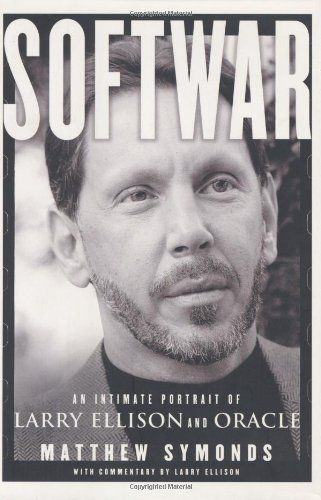
'Softwar' by Matthew Symonds delves into the intricate and often secretive world of software development amidst global geopolitics. As nations harness technology for power, the narrative reveals how software now plays a crucial role in warfare and diplomacy. With insider stories and vivid characters, Symonds illustrates the intersection of cyberspace and the physical world, raising questions about ethics and control. The book challenges readers to consider the implications of a technology-driven future shaped by both innovation and conflict. Will the next conflict be fought not on battlegrounds, but in the software that powers our lives?
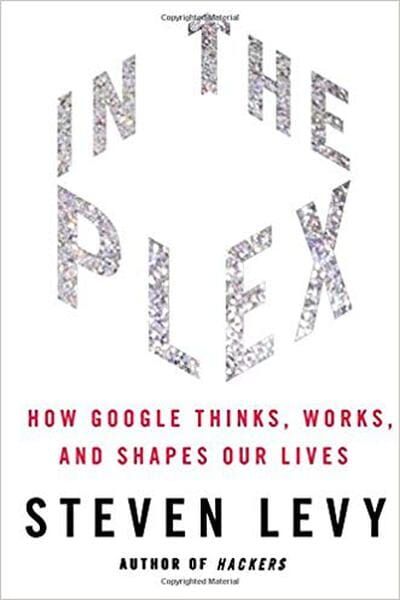
In the Plex Book Summary
In 'In the Plex', Steven Levy takes readers deep inside the inner workings of Google, exploring its innovative culture and groundbreaking technologies. Through captivating anecdotes and insightful interviews, he reveals how Google's quest for information reshapes our digital landscape and influences everyday life. The book delves into the minds of its founders, the challenges they've faced, and the ethical dilemmas that arise from their ambitions. As Levy paints a vivid picture of this tech giant, he invites readers to ponder the implications of living in a world dominated by algorithms. This insightful examination not only uncovers the magic behind one of the world's most influential companies but also challenges us to consider the future of technology itself.
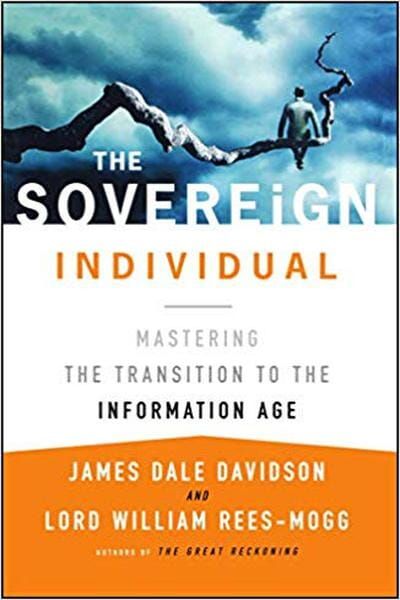
The Sovereign Individual Book Summary
In 'The Sovereign Individual,' Davidson and Rees-Mogg explore the profound transformation of society in the face of digital technology and globalization. They argue that these changes are reshaping the balance of power between individuals and the state, leading to a future where personal sovereignty becomes paramount. As they dissect the implications of these shifts, the authors provoke thought on how one can thrive in a rapidly evolving landscape. With bold predictions and insightful analysis, their work challenges traditional norms and beckons a new era of freedom and opportunity. Are we ready to embrace our own sovereignty in this new world?
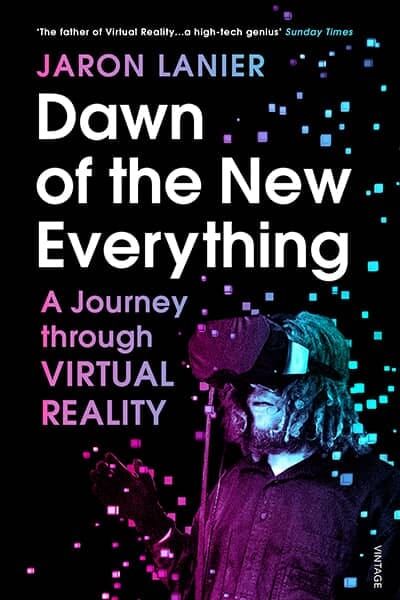
Dawn of the New Everything Book Summary
In 'Dawn of the New Everything,' visionary thinker Jaron Lanier presents a provocative exploration of virtual reality and its implications for humanity. He intertwines personal anecdotes with thought-provoking insights about technology's role in shaping our perceptions and experiences. Lanier challenges readers to reconsider the essence of reality and the nature of human connection in an increasingly digital world. With his blend of optimism and caution, he invites us to envision a future where technology can enhance our existence rather than detract from it. This book compels us to rethink our relationship with virtual environments and the identities we forge within them.
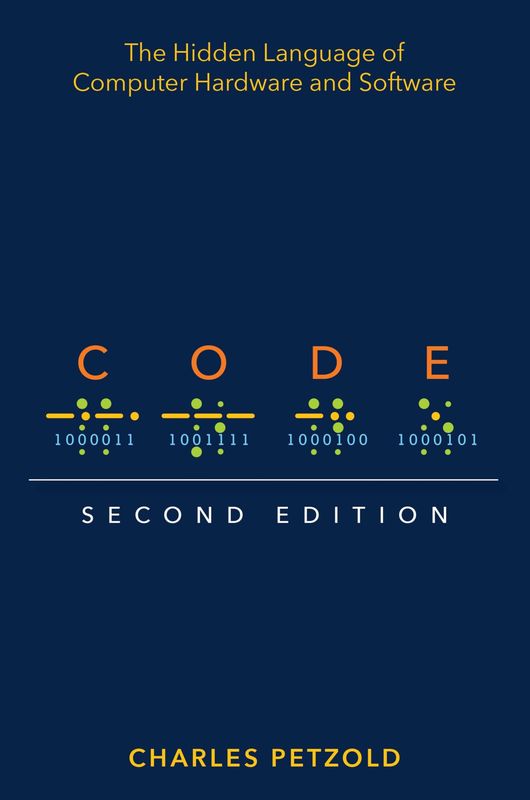
Code Book Summary
In 'Code', Charles Petzold takes readers on a captivating journey through the world of programming and computer science. He unravels the complex tapestry of how computers work, starting from simple concepts and building up to intricate systems. Through engaging anecdotes and metaphors, Petzold demystifies the inner workings of machines, making them accessible to everyone. This exploration not only reveals the beauty of code but also challenges us to think critically about the impact of technology in our lives. Prepare to see the digital world around you in a whole new light!
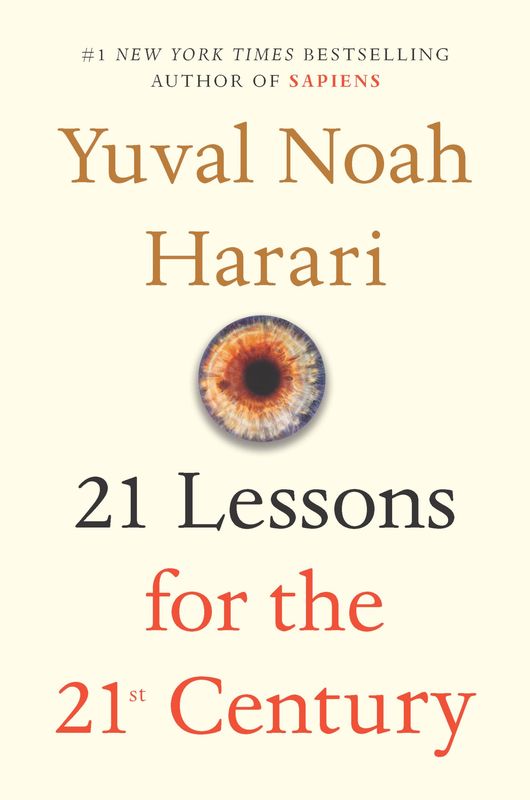
21 Lessons for the 21st Century Book Summary
In '21 Lessons for the 21st Century', Yuval Noah Harari navigates the complex landscape of today's world, tackling urgent questions about our future. From the impact of technology on society to the challenges of political stability, each lesson provokes thought and introspection. Harari explores key themes such as the rise of artificial intelligence, the significance of data, and the importance of meaning in an increasingly uncertain world. With a blend of history, philosophy, and science, the book invites readers to reflect on their roles in shaping a shared future. Will we adapt, or become obsolete? Dive in to uncover the lessons that could redefine humanity's path.
Showing 8 of 30 similar books
Take your reading experience to the next level
Download our mobile app to enjoy your favorite books on the go. Get access to exclusive features, offline listening, and personalized recommendations.

Similar Book Recommendations →

Marc Benioff's Book Recommendations
Marc Benioff is the co-founder, chairman, and CEO of Salesforce, the world’s leading customer relationship management (CRM) platform. Under Benioff’s leadership, Salesforce has grown into a global tech giant, pioneering cloud computing and transforming how businesses manage their customer relationships. Benioff is also known for his philanthropy, having donated millions to healthcare, education, and social causes. He has been a vocal advocate for corporate social responsibility, urging businesses to prioritize social good alongside profit. Benioff’s vision and leadership have made Salesforce a model for ethical business in the tech industry.
Naval Ravikant's Book Recommendations
Naval Ravikant is an entrepreneur, angel investor, and philosopher, best known as the co-founder of AngelList, a platform that connects startups with investors. Ravikant is a prolific thinker and writer on topics such as startups, investing, and personal well-being, sharing his wisdom through essays, podcasts, and social media. He has invested in over 100 companies, including Uber, Twitter, and Yammer, making him one of Silicon Valley’s most successful angel investors. Ravikant is also known for his philosophical musings on wealth, happiness, and the meaning of life, which have garnered him a large and dedicated following.

Barack Obama's Book Recommendations
Barack Obama is the 44th President of the United States, serving from 2009 to 2017. As the first African American president, Obama’s leadership marked a historic moment in American history. His administration focused on healthcare reform, economic recovery from the Great Recession, and environmental policies. He is best known for the Affordable Care Act, as well as his efforts to expand civil rights and restore diplomatic relations with Cuba. Since leaving office, Obama has continued to engage in public life through his foundation, focusing on leadership development, civic engagement, and global issues.

Morgan Housel's Book Recommendations
Morgan Housel is a financial writer and partner at The Collaborative Fund, best known for his book The Psychology of Money. His work explores the behavioral side of finance, emphasizing how emotions, history, and decision-making impact wealth-building. Housel’s writing is widely praised for being accessible, insightful, and engaging, making complex financial topics easier to understand. He contributes regularly to financial publications and speaks at conferences on the power of long-term thinking in finance. His book has become a modern classic in the personal finance genre.

Coleen Baik's Book Recommendations
Coleen Baik is an American designer, artist, and entrepreneur, known for her work in the tech industry, including as a founding team member of Twitter. Baik played a key role in shaping the user experience and design of Twitter in its early days, contributing to its iconic interface. She is also the founder of Baik Art, a multidisciplinary art studio that blends technology and visual art. Baik is passionate about using design to create meaningful and user-centered digital experiences, and she frequently speaks on topics related to innovation, design, and creativity. Her work has made her a prominent figure in the intersection of tech and design.

Reid Hoffman's Book Recommendations
Reid Hoffman is an influential American entrepreneur, venture capitalist, and author, best known as the co-founder of LinkedIn, the professional networking platform that transformed online professional interactions. Hoffman has significantly impacted the business world through his investments in notable tech companies like Airbnb, Facebook, and Zynga. As an author, he has co-written several acclaimed books, including "The Start-Up of You" and "Blitzscaling," which provide strategic insights into career development and business growth. His works are celebrated for their practical advice and have become essential reading for aspiring entrepreneurs and business leaders. Hoffman's contributions extend beyond his literary efforts, as he remains a prominent figure in Silicon Valley, shaping the future of technology and innovation.

Daniel Burka's Book Recommendations
Daniel Burka is a prominent figure in the tech and design world, best known for his significant contributions to digital product design. As a design partner at GV (formerly Google Ventures), he has played a crucial role in shaping the user experience of numerous successful startups. Burka co-founded the design agency MetaLab, which has worked with top-tier clients like Slack and Coinbase. Additionally, his work at Digg as the Director of Design helped pioneer social media design trends in the early 2000s. While not primarily an author, Burka's influence extends into literature through his insightful writings and talks on design and innovation.

David Perell's Book Recommendations
David Perell is a prominent writer and educator known for his influential work in the field of online education and digital writing. He is the creator of "Write of Passage," an acclaimed online writing course that has helped thousands of students refine their writing skills and build their personal brands. As a prolific blogger, Perell shares insights on topics ranging from technology and culture to productivity and creativity. His thought-provoking essays and articles have garnered a substantial following, establishing him as a thought leader in the digital age. Additionally, Perell hosts the popular "North Star Podcast," where he interviews leading thinkers and creators, further contributing to contemporary intellectual discourse.
Showing 8 of 15 related collections
“Technology is a powerful tool that can shape our future, but it demands responsibility and a commitment to using it for the greater good.”
Tools and Weapons
By Brad Smith, Carol Ann Browne
Frequently Asked Questions
Explore Our Catalogue
Discover a world of knowledge through our extensive collection of book summaries.
Genres
Genres
Genres
Featured Collections
- Top Book Club Picks
- One-Stop Nutrition
- Summer Reads 2024
- Best Beach Reads 2024
- Work-Life Balance Guide
- Time Management
- Healthy Foods
- Entrepreneur Toolkit
- Mind & Body Wellness
- Future Tech Insights
- Leadership Essentials
- Financial Freedom
- Sci-Fi Masterpieces
- Parenting 101
- Books That Became Blockbusters
- Guide to a Healthy Pregnancy