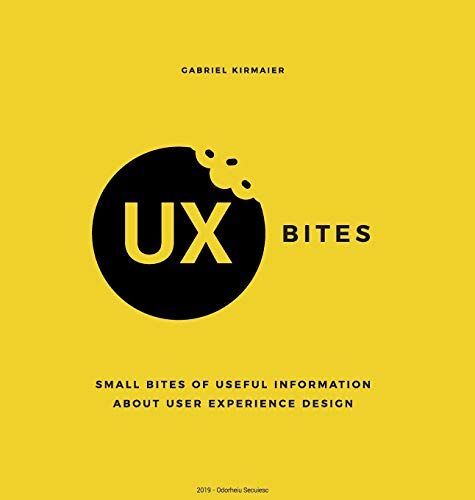
UX Bites - Small Bites of Information about User Experience Design Book Summary
In 'UX Bites', Gabriel Kirmaier serves up a tantalizing collection of insights that demystify the art of user experience design. Each bite-sized chapter delivers nuggets of wisdom that inspire both novice and seasoned designers alike. From understanding user needs to crafting intuitive interfaces, this book is a treasure trove of practical tips and techniques. With engaging anecdotes and real-world applications, Kirmaier makes complex concepts accessible and enjoyable. Dive in to discover how small changes can lead to significant enhancements in user satisfaction!
By Gabriel Kirmaier
Published: 2019
"Design is not just what it looks like; it's how it makes people feel."

Start Listening to Book Summary
Book Review of UX Bites - Small Bites of Information about User Experience Design
A book about User Experience Design should be like the approach it advocates: User Friendly with functional visuals that makes for an easy "navigation", and a pleasure to hold, turn the page, leave on the shelf, or carry in your backpack. This book is heavily packed with small bites of information every UX Designer should know. The book visually presents the most important definitions, methods and techniques for an easy to follow and immersive experience. My hope is that it will become the go-to dictionary for every designer, thanks to its well organized format. UX BITES starts by defining the meaning and value of User Experience Design and presents the most efficient workflows of the UX process. It then makes a case for adopting a user-centric approach, while helping the reader master ways to understand their user. Presenting frequently used research methods, and explaining how to apply each, it prepares the reader to take real UX projects head on. The final two chapters move the spotlight to practical tips and statistics every designer can apply, and as a conclusion, it ends highlighting unethical practices to avoid as a UX Designer.
Book Overview of UX Bites - Small Bites of Information about User Experience Design
About the Book Author
Gabriel Kirmaier
Gabriel Kirmaier is a contemporary author known for his evocative storytelling and richly developed characters. His notable works include 'The Silent Echo', which explores themes of loss and redemption, and 'Whispers of the Past', a historical fiction novel that delves into the complexities of family and identity. Kirmaier's writing style is characterized by lyrical prose and a keen psychological insight, allowing readers to connect deeply with his narratives. He often weaves elements of realism with a touch of the surreal, creating a unique reading experience that resonates with a diverse audience.
Book Details
Key information about the book.
- Authors
- Gabriel Kirmaier
- Published
- June 2019
- Publisher
- N/A
- ISBN
- 973029822X
- Language
- English
- Pages
- 178
- Genres
- UX/UI DesignDesign ThinkingTechnologyDesign
Purchase Options
 Buy on Amazon
 Buy via BookShop
Support local bookstores: BookShop gives a portion of each sale to independent bookshops!
Similar books you might like →
Designing with Type, 5th Edition Book Summary
Dive into the art and science of typography with 'Designing with Type, 5th Edition'. This essential guide unravels the intricacies of typefaces, spacing, and layout, empowering designers to elevate their work. Through a rich blend of practical insights and illustrative examples, Craig and Scala reveal how type influences design perception. Whether you’re a novice or a seasoned professional, this book opens your eyes to the transformative power of typography. Discover how to shape your visual communication and captivate your audience with every word.

The Design of Everyday Things Book Summary
In 'The Design of Everyday Things', Don Norman reveals the hidden principles behind effective design that shapes our everyday interactions. He explores the psychological underpinnings of how we perceive and interact with objects, highlighting the importance of usability and user-centered design. Through captivating examples, Norman illustrates how poor design can lead to frustration, while thoughtful design enhances our experience. This book challenges readers to rethink the functionality of everyday items, making them consider the design choices behind the objects they encounter. Ultimately, it invites us to demand better designs that cater to our needs, making the mundane extraordinary.
Don't Make Me Think, Revisited Book Summary
In 'Don't Make Me Think, Revisited', Steve Krug presents a timeless guide to web usability, challenging the notion that users read websites thoroughly. With humor and clarity, he emphasizes the importance of intuitive design, advocating that simplicity trumps complexity. Krug's insights encourage designers to prioritize user experience, making navigation as effortless as possible. Through practical examples and actionable advice, he unveils common pitfalls to avoid. This essential read will transform the way you think about designing websites and engaging users—are you ready to rethink your approach?
100 Things Every Designer Needs to Know about People Book Summary
In '100 Things Every Designer Needs to Know about People,' Susan Weinschenk unveils essential psychological principles that can enhance design effectiveness. With insights drawn from cognitive science, the book explores how people perceive, interact with, and make decisions about design. From the nuances of color perception to the importance of empathy in user experience, Weinschenk offers practical strategies for designers. Each principle is supported by fascinating research, making the content both informative and engaging. This enlightening guide equips designers to create more intuitive and user-friendly experiences, sparking curiosity about the intersection of psychology and design.
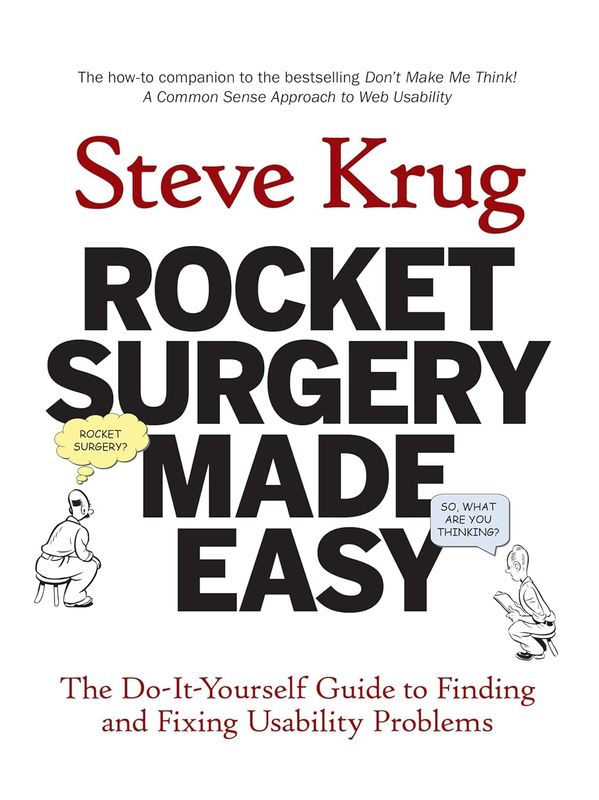
Rocket Surgery Made Easy Book Summary
In 'Rocket Surgery Made Easy', Steve Krug demystifies the process of usability testing, arguing that it's not rocket science—it's just common sense. Krug presents simple, practical techniques that anyone can use to identify and fix usability issues in their designs. Through engaging anecdotes and clear instruction, he empowers teams to enhance user experience without the need for extensive resources or expertise. This book transforms the way we think about user testing, making it accessible and effective for all. Prepare to revolutionize your approach to design and make your products truly user-friendly!
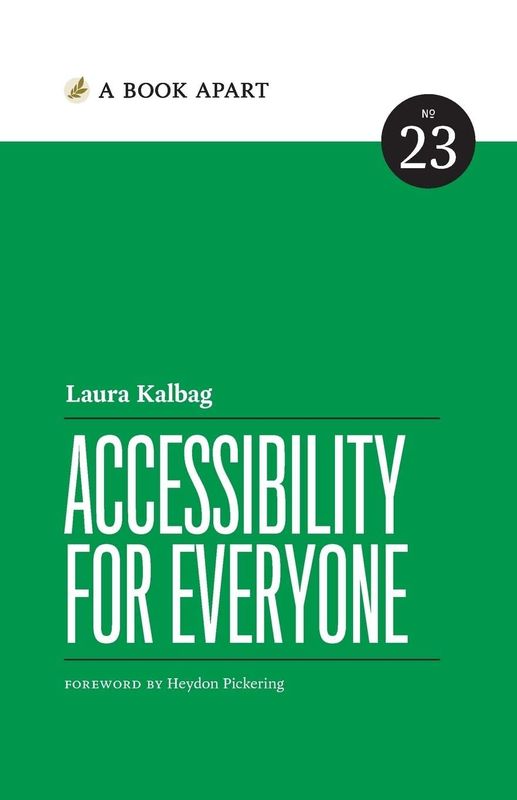
Accessibility for Everyone Book Summary
In 'Accessibility for Everyone', Laura Kalbag reveals the fundamental importance of inclusivity in design and technology. With practical tips and real-world examples, she empowers readers to embrace accessibility as a shared responsibility. Kalbag challenges common misconceptions, urging designers to consider the diverse needs of all users. This book is not just a guide; it's a call to action for creating a truly inclusive digital world. Discover how small changes can make a monumental impact on the lives of millions.

Design for Real Life Book Summary
In 'Design for Real Life', Eric A. Meyer and Sara Wachter-Boettcher challenge the traditional notions of design by highlighting how digital products impact users' lives beyond the screen. They delve into the complexities of real-world scenarios, emphasizing the importance of empathy and inclusivity in design processes. Through compelling case studies and practical advice, the authors reveal a transformative approach that prioritizes human experiences. This book invites designers to anticipate the unexpected challenges that users might face. Can design truly support and uplift those navigating tough situations in life?
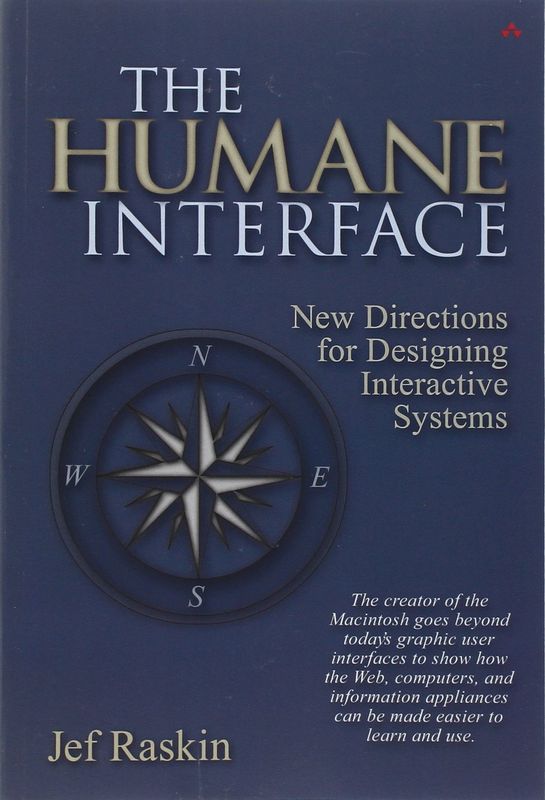
The Humane Interface Book Summary
In 'The Humane Interface,' Jef Raskin revolutionizes the way we think about human-computer interaction. He argues for an interface that is intuitive and seamlessly fits into our natural behaviors, rather than forcing users to adapt to clunky software. Raskin introduces groundbreaking concepts that challenge conventional design principles and aims to enhance user satisfaction. As technology becomes more pervasive, his insights reveal how humane design can create a deeper connection between humans and machines. Dive into this thought-provoking read and discover how a user-centered approach can transform our digital experiences!
Showing 8 of 30 similar books
Take your reading experience to the next level
Download our mobile app to enjoy your favorite books on the go. Get access to exclusive features, offline listening, and personalized recommendations.

Similar Book Recommendations →

John Doerr's Book Recommendations
John Doerr is an American venture capitalist and chairman of Kleiner Perkins, one of the most prominent venture capital firms in Silicon Valley. Doerr has backed some of the biggest names in tech, including Google, Amazon, and Netscape, and has played a crucial role in the rise of the internet economy. He is also the author of Measure What Matters, which popularized the concept of Objectives and Key Results (OKRs) as a method for goal-setting in organizations. Doerr is a passionate advocate for addressing climate change and has invested in clean energy startups to help combat global warming. His contributions to tech and sustainability have made him a leading figure in venture capital.

Jan Losert's Book Recommendations
Jan Losert is a visionary author and digital design expert, renowned for his contributions to the intersection of technology and creativity. His most significant work includes co-authoring "Design Systems Handbook," which has become a seminal guide for creating cohesive and efficient design frameworks. Losert's expertise extends to his role as a speaker and educator, where he passionately shares his insights on user experience and interface design. In addition to his literary achievements, he co-founded several successful startups, leveraging his deep understanding of design to drive innovation. His work continues to influence and inspire both emerging and established designers worldwide.

Naval Ravikant's Book Recommendations
Naval Ravikant is an entrepreneur, angel investor, and philosopher, best known as the co-founder of AngelList, a platform that connects startups with investors. Ravikant is a prolific thinker and writer on topics such as startups, investing, and personal well-being, sharing his wisdom through essays, podcasts, and social media. He has invested in over 100 companies, including Uber, Twitter, and Yammer, making him one of Silicon Valley’s most successful angel investors. Ravikant is also known for his philosophical musings on wealth, happiness, and the meaning of life, which have garnered him a large and dedicated following.

Bret Victor's Book Recommendations
Bret Victor is a renowned American interface designer and computer scientist celebrated for his innovative contributions to interactive design and human-computer interaction. He is best known for creating dynamic, explorable explanations, which have significantly influenced the way educational content is presented and understood. Victor's seminal work, "Inventing on Principle," advocates for the integration of immediate feedback in creative processes, inspiring a new wave of interactive programming environments. As a former member of the Apple Human Interface team, he played a pivotal role in shaping modern user interfaces. Through his organization, Dynamicland, Victor continues to explore and expand the boundaries of immersive, collaborative computing environments.

George Hatzis's Book Recommendations
George Hatzis is a lawyer, entrepreneur, and social media content creator known for his humorous and insightful takes on the legal profession. Through his popular Instagram account, Hatzis shares legal memes, advice, and commentary, making complex legal topics accessible and entertaining for a broad audience. He is also the founder of Hatzis Law, a firm that specializes in criminal defense and family law. Hatzis’ ability to merge legal expertise with humor has garnered him a large following, and he continues to be a unique voice in the legal community, advocating for modernizing the industry.

Andrew Chen's Book Recommendations
Andrew Chen is a venture capitalist, entrepreneur, and thought leader in growth marketing, currently serving as a general partner at Andreessen Horowitz. Chen is known for his expertise in network effects, viral growth strategies, and marketplace dynamics, making him a sought-after advisor for startups looking to scale. Prior to joining Andreessen Horowitz, he worked in leadership roles at Uber, helping to grow the ride-sharing platform’s user base and develop key growth strategies. Chen is also a prolific writer, sharing his insights on growth, technology, and startups through his popular blog and newsletter, which has attracted a loyal following in the tech community. His work has helped shape how many startups approach user acquisition, retention, and product-market fit. As a venture capitalist, Chen focuses on early-stage companies in the consumer internet, SaaS, and marketplace sectors, and he has been involved in funding and advising several successful startups. His insights on technology and growth continue to influence both founders and investors alike.

Sophie Bakalar's Book Recommendations
Sophie Bakalar is a distinguished author and venture capitalist known for her adept storytelling and insightful exploration of contemporary issues. Her debut novel received critical acclaim for its nuanced portrayal of complex characters and societal dynamics. In addition to her literary achievements, Bakalar is a co-founder of a successful venture firm, where she leverages her keen understanding of market trends and innovation. Her essays and articles, often featured in prominent publications, reflect her deep engagement with cultural and technological shifts. Bakalar's multifaceted career bridges the worlds of literature and entrepreneurship, making her a unique voice in both fields.

John Maeda's Book Recommendations
John Maeda is a designer, technologist, and thought leader known for his work at the intersection of technology, design, and leadership. A former president of the Rhode Island School of Design (RISD), Maeda has been a strong advocate for integrating art and design with technology to drive innovation. He is currently the Chief Technology Officer at Everbridge and has previously held leadership roles at Automattic (the parent company of WordPress) and KPCB, a venture capital firm. Maeda’s work explores the role of creativity in technology, and he is known for his insightful talks and books, including The Laws of Simplicity and Redesigning Leadership. He has been instrumental in promoting the idea of “design thinking” in business and has influenced a generation of designers and technologists to approach problem-solving with creativity. Maeda is also a prolific speaker, frequently sharing his ideas on the future of design and its role in shaping the modern world.
Showing 8 of 15 related collections
“Design is not just what it looks like; it's how it makes people feel.”
UX Bites - Small Bites of Information about User Experience Design
By Gabriel Kirmaier
Frequently Asked Questions
Explore Our Catalogue
Discover a world of knowledge through our extensive collection of book summaries.
Genres
Genres
Genres
Featured Collections
- Top Book Club Picks
- One-Stop Nutrition
- Summer Reads 2024
- Best Beach Reads 2024
- Work-Life Balance Guide
- Time Management
- Healthy Foods
- Entrepreneur Toolkit
- Mind & Body Wellness
- Future Tech Insights
- Leadership Essentials
- Financial Freedom
- Sci-Fi Masterpieces
- Parenting 101
- Books That Became Blockbusters
- Guide to a Healthy Pregnancy