Changes in the Land, Revised Edition Book Summary
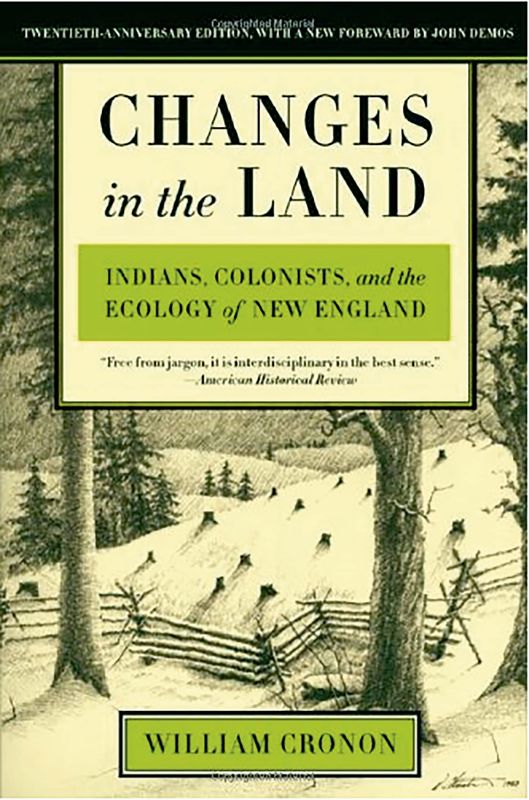
In 'Changes in the Land,' William Cronon explores the profound transformations of New England's landscapes and ecosystems from the arrival of European settlers to the present day. He unveils how indigenous practices and colonial interests reshaped the land, creating a complex interplay between nature and culture. Through vivid storytelling and meticulous research, Cronon reveals the consequences of these changes on both the environment and society. The book challenges readers to reconsider the relationship between humans and the environment, making it both a historical account and a call to ecological awareness. Dive into this thought-provoking narrative to discover how history continues to echo in the landscapes we inhabit.
By William Cronon
Published: NaN
"The land is not a mere backdrop to human action; it is the very fabric of our existence, shaping and being shaped by our decisions and lifestyles."

Start Listening to Book Summary
Book Review of Changes in the Land, Revised Edition
[This book offers an] interpretation of the changing circumstances in New England's plant and animal communities that occurred with the shift from Indian to European dominance. [In the book, the author] constructs [an] interdisciplinary analysis of how the land and the people influenced one another, and how that complex web of relationships shaped New England's communities.-Back cover.
Book Overview of Changes in the Land, Revised Edition
About the Book Author
William Cronon
William Cronon is a distinguished American historian, author, and environmentalist, recognized for his contributions to environmental history and the American West. He is the author of several notable works, including 'Changes in the Land: Indians, Colonists, and the Ecology of New England,' 'Nature's Metropolis: Chicago and the Great West,' and 'Uncommon Ground: Rethinking the Human Place in Nature.' Cronon's writing is characterized by its interdisciplinary approach, blending history, geography, and environmental studies to explore the intricate relationships between humans and their environments. As a professor at the University of Wisconsin-Madison and a former president of the American Historical Association, Cronon continues to influence both academic and public discourse on environmental issues.
Book Details
Key information about the book.
- Authors
- William Cronon
- Published
- N/A
- Publisher
- Macmillan
- ISBN
- 0809016346
- Language
- English
- Pages
- 288
- Genres
- HistoryCultural HistoryScience and NatureEnvironmental Science
Purchase Options
 Buy on Amazon
 Buy via BookShop
Support local bookstores: BookShop gives a portion of each sale to independent bookshops!
Similar books you might like →
A Brief History of Time Book Summary
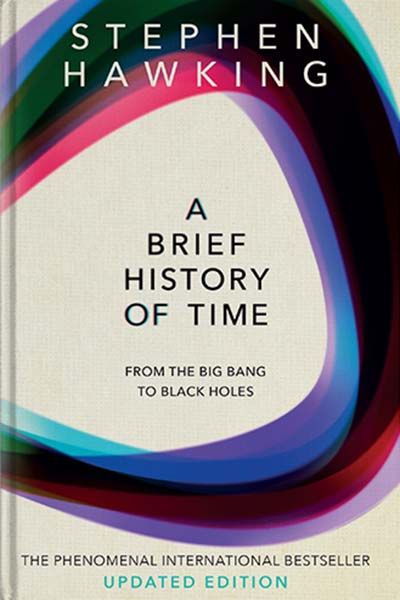
In "A Brief History of Time," Stephen Hawking takes readers on a captivating journey through the cosmos, exploring the nature of time, black holes, and the universe's beginnings. With stunning clarity, he unravels complex scientific concepts, inviting everyone—from curious laypersons to seasoned physicists—to ponder the mysteries of existence. Hawking's charismatic storytelling challenges our perceptions of reality and time itself, posing profound questions about the universe's fate. As he merges science with philosophy, the reader is compelled to reflect on their place in a vast, enigmatic cosmos. Prepare to be inspired and awed by a narrative that transcends mere facts, pushing the boundaries of human understanding.

Guns, Germs, and Steel Book Summary
In 'Guns, Germs, and Steel,' Jared Diamond investigates the factors that have shaped human societies over the last 13,000 years. He argues that environmental differences, rather than racial genetics, have been the primary drivers of inequality among civilizations. The book explores how agriculture, technology, and disease have influenced the rise and fall of empires. Through compelling narratives and insightful analysis, Diamond uncovers the unexpected connections between geography and history. Readers are left questioning the very foundations of societal development and the future of humanity.
The City in History Book Summary
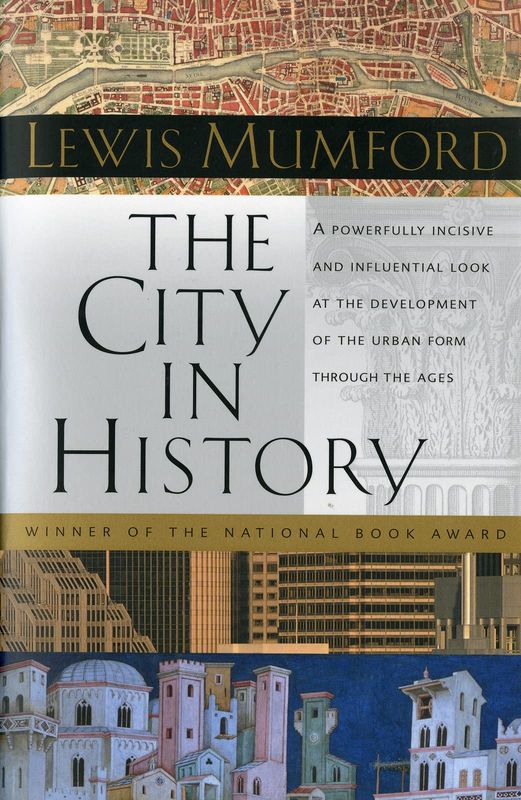
In 'The City in History,' Lewis Mumford explores the evolution of urban life from ancient times to the modern metropolis. He argues that cities are not just physical structures but reflections of human values and societal progress. Mumford delves into the interplay between architecture, technology, and culture, revealing how they shape the human experience. With incisive critiques and vivid historical examples, he presents a vision of the ideal city that promotes both individuality and community. This thought-provoking journey challenges readers to reconsider the role of cities in their own lives and the future of civilization.
Blue Mind Book Summary
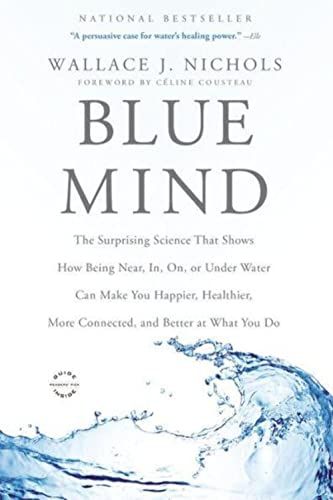
Dive into the captivating world of 'Blue Mind,' where Wallace J. Nichols unveils the profound effects of water on our brains and well-being. Discover how being near oceans, lakes, and rivers can enhance creativity, reduce stress, and inspire a sense of connection. With fascinating research and personal stories, Nichols invites readers to explore the science behind our intrinsic attraction to water. This book is not just a study; it's a call to action to reconnect with the natural world. Prepare to rethink your relationship with water and unlock the serenity it brings.
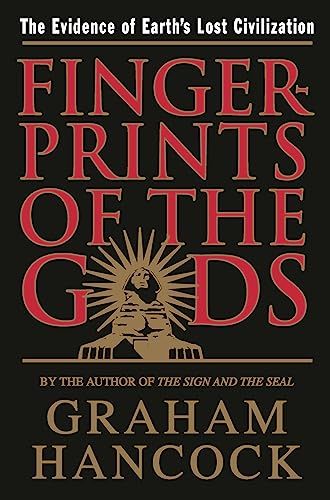
Fingerprints of the Gods Book Summary
In 'Fingerprints of the Gods', Graham Hancock embarks on a captivating journey to uncover humanity's forgotten past. He explores ancient civilizations and enigmatic archaeological discoveries that challenge conventional history. With the theory of a lost advanced civilization, Hancock weaves together evidence from myths, geology, and astronomy. Each page reveals shocking revelations that provoke questions about our origins and the cyclical nature of civilization. Prepare to rethink everything you thought you knew about human history!
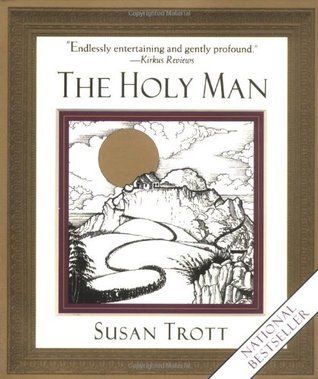
The Holy Man Book Summary
In 'The Holy Man' by Susan Trott, a weary and disillusioned world is transformed by the arrival of a mysterious spiritual figure. This man, seemingly blessed with wisdom and kindness, begins to challenge the norms and values of everyday life. As people from all walks of life gravitate toward him, they experience profound changes that force them to confront their own beliefs and desires. With humor and heart, Trott weaves a narrative that explores the essence of faith, love, and the search for meaning. Will the Holy Man's influence transcend the tangible, or will he remain a fleeting glimpse of enlightenment in an often chaotic world?
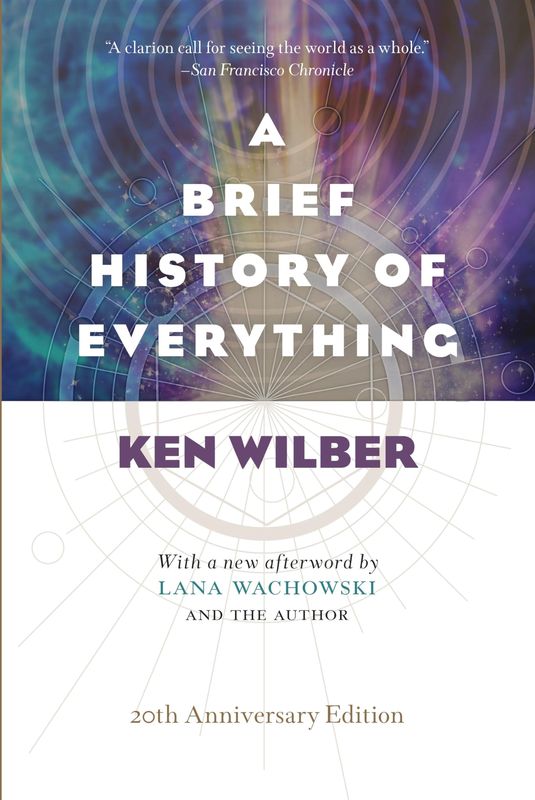
A Brief History of Everything (20th Anniversary Edition) Book Summary
In 'A Brief History of Everything', Ken Wilber takes readers on an enlightening journey through the evolution of consciousness and the unfolding of human history. He skillfully weaves together insights from philosophy, science, and spirituality, offering a holistic perspective on our existence. Discover how various cultural paradigms intersect and influence our understanding of reality. This thought-provoking exploration challenges conventional views and invites readers to contemplate their place in the cosmos. What if the key to our future lies in understanding the past in a radically new way?
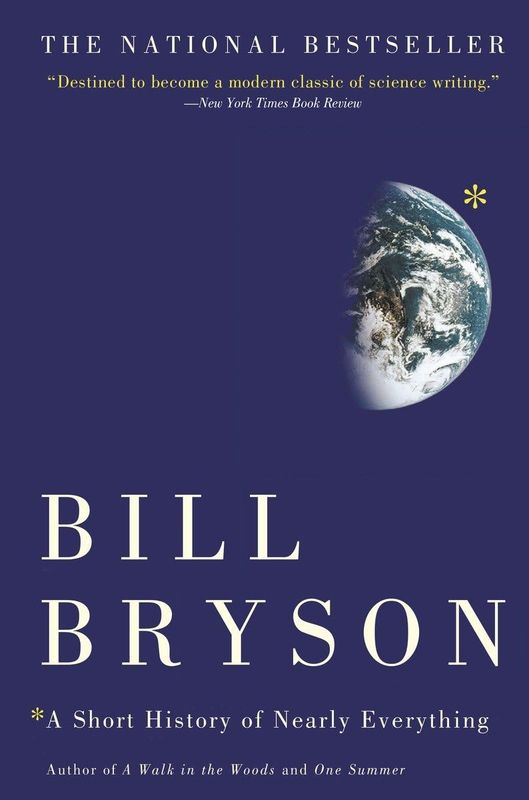
A Short History of Nearly Everything Book Summary
In 'A Short History of Nearly Everything,' Bill Bryson embarks on a whimsical journey through the annals of science, unraveling the mysteries of the universe and humankind's place within it. With wit and humor, he demystifies complex concepts, from the Big Bang to atoms, making them accessible to the layperson. Bryson introduces us to eccentric scientists and their groundbreaking discoveries, igniting a sense of wonder about the world we inhabit. This book is not merely a history; it's a celebration of curiosity, sparking an appreciation for the intricacies of life and the universe. Prepare to be entertained and enlightened as you explore the 'why' and 'how' behind nearly everything.
Showing 8 of 28 similar books
Take your reading experience to the next level
Download our mobile app to enjoy your favorite books on the go. Get access to exclusive features, offline listening, and personalized recommendations.

Similar Book Recommendations →

Daniel Pink's Book Recommendations
Daniel Pink is a renowned American author known for his groundbreaking work in the fields of business, work, and behavior. He has penned several bestselling books, including "Drive: The Surprising Truth About What Motivates Us," which explores the science of motivation and has been translated into over 30 languages. Pink's "A Whole New Mind" and "To Sell is Human" have also received critical acclaim, cementing his reputation as a thought leader. His insightful TED Talks and frequent contributions to major publications further amplify his influence. Pink's work has significantly shaped contemporary understanding of motivation, creativity, and the modern workplace.
Mike Phillips's Book Recommendations
Mike Phillips is a distinguished British author and journalist, best known for his groundbreaking crime fiction series featuring black detective Sam Dean. Born in Guyana and raised in London, Phillips has significantly contributed to the portrayal of black British experiences in literature. His debut novel, "Blood Rights," received critical acclaim and solidified his reputation as a formidable voice in crime writing. Beyond fiction, Phillips has also made substantial contributions to journalism and academia, notably co-authoring "Windrush: The Irresistible Rise of Multi-Racial Britain," which chronicles the experiences of Caribbean immigrants in the UK. His work has not only entertained but also provided profound social commentary, earning him a lasting place in contemporary British literature.

Michael Pollan's Book Recommendations
Michael Pollan is a renowned American author and journalist, celebrated for his insightful explorations of food, agriculture, and human culture. His groundbreaking book, "The Omnivore's Dilemma," published in 2006, critically examines the complexities of the modern food industry and has become a seminal work in food studies. Pollan's engaging narrative style and thorough research have earned him a place on The New York Times Best Seller list multiple times. In addition to his literary contributions, he is also a professor of journalism at the University of California, Berkeley. Pollan's work continues to influence public discourse on sustainable eating and the ethical implications of food choices.

Hamilton Morris's Book Recommendations
Hamilton Morris is an American journalist, documentarian, and chemist renowned for his extensive work on psychoactive substances. He is best known for his series "Hamilton's Pharmacopeia," which explores the history, chemistry, and cultural impact of various psychoactive drugs. Morris has contributed significantly to the literature on ethnopharmacology, providing in-depth research and firsthand accounts that have enriched public understanding of these substances. His writings and documentaries have been featured in prominent publications such as Vice, Harper's Magazine, and National Geographic. An advocate for scientific rigor and cultural sensitivity, Hamilton Morris continues to influence both the scientific community and popular discourse on psychoactive substances.

Bret Victor's Book Recommendations
Bret Victor is a renowned American interface designer and computer scientist celebrated for his innovative contributions to interactive design and human-computer interaction. He is best known for creating dynamic, explorable explanations, which have significantly influenced the way educational content is presented and understood. Victor's seminal work, "Inventing on Principle," advocates for the integration of immediate feedback in creative processes, inspiring a new wave of interactive programming environments. As a former member of the Apple Human Interface team, he played a pivotal role in shaping modern user interfaces. Through his organization, Dynamicland, Victor continues to explore and expand the boundaries of immersive, collaborative computing environments.

Marc Andreessen's Book Recommendations
Marc Andreessen is an American entrepreneur, software engineer, and venture capitalist, best known for co-creating the Mosaic web browser, the first widely-used web browser, and co-founding Netscape. Andreessen is also the co-founder of Andreessen Horowitz, one of Silicon Valley’s most prominent venture capital firms, where he invests in groundbreaking technology companies like Facebook, Airbnb, and Coinbase. He is a thought leader on the impact of technology and innovation, often sharing his views on the future of the internet and startups. His contributions to the development of the web and the tech ecosystem have made him one of the most influential figures in technology.

Ray Dalio's Book Recommendations
Ray Dalio is the founder of Bridgewater Associates, one of the largest and most successful hedge funds in the world. He is also the author of the bestselling book Principles, where he outlines his philosophy on life, leadership, and investing. Ray is renowned for his unique approach to transparency, radical truth, and thoughtful disagreement within organizations. His insights into economics and investing have made him one of the most influential figures in the financial world. Dalio continues to be a thought leader in business, economics, and philanthropy.

Barack Obama's Book Recommendations
Barack Obama is the 44th President of the United States, serving from 2009 to 2017. As the first African American president, Obama’s leadership marked a historic moment in American history. His administration focused on healthcare reform, economic recovery from the Great Recession, and environmental policies. He is best known for the Affordable Care Act, as well as his efforts to expand civil rights and restore diplomatic relations with Cuba. Since leaving office, Obama has continued to engage in public life through his foundation, focusing on leadership development, civic engagement, and global issues.
Showing 8 of 11 related collections
“The land is not a mere backdrop to human action; it is the very fabric of our existence, shaping and being shaped by our decisions and lifestyles.”
Changes in the Land, Revised Edition
By William Cronon
Frequently Asked Questions
Explore Our Catalogue
Discover a world of knowledge through our extensive collection of book summaries.
Genres
Genres
Genres
Featured Collections
- Top Book Club Picks
- One-Stop Nutrition
- Summer Reads 2024
- Best Beach Reads 2024
- Work-Life Balance Guide
- Time Management
- Healthy Foods
- Entrepreneur Toolkit
- Mind & Body Wellness
- Future Tech Insights
- Leadership Essentials
- Financial Freedom
- Sci-Fi Masterpieces
- Parenting 101
- Books That Became Blockbusters
- Guide to a Healthy Pregnancy