
By William Stivers
Published: 1982
Showing 8 of 16 similar books
Alex Lieberman is the co-founder and executive chairman of Morning Brew, a media company that delivers engaging business news. Under his leadership, Morning Brew has grown to reach millions of subscribers, becoming a significant player in modern business journalism. Lieberman is also known for his insightful commentary on entrepreneurship and media trends. His work has significantly influenced the way business news is consumed by younger audiences. Beyond Morning Brew, Lieberman frequently writes and speaks about the intersection of media and technology, further cementing his role as a thought leader in the industry.
Chris Dixon is a notable venture capitalist and technology entrepreneur, best known for his influential role as a general partner at Andreessen Horowitz, where he leads investments in cryptocurrency and blockchain technology. Before joining the firm, Dixon co-founded two startups: SiteAdvisor, a web security company acquired by McAfee, and Hunch, a recommendation engine acquired by eBay. In addition to his investment career, Dixon is a prolific writer and thought leader on technology and innovation, contributing insightful essays and articles to various platforms such as his personal blog and Medium. His writings often explore the future of technology, the internet, and the impact of blockchain, making significant contributions to contemporary tech literature. Dixon's work has earned him recognition as a visionary in both the tech and literary worlds.
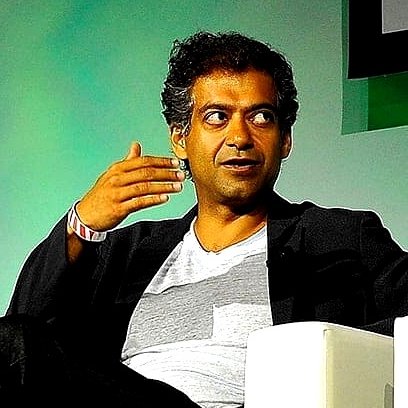
Naval Ravikant is an entrepreneur, angel investor, and philosopher, best known as the co-founder of AngelList, a platform that connects startups with investors. Ravikant is a prolific thinker and writer on topics such as startups, investing, and personal well-being, sharing his wisdom through essays, podcasts, and social media. He has invested in over 100 companies, including Uber, Twitter, and Yammer, making him one of Silicon Valley’s most successful angel investors. Ravikant is also known for his philosophical musings on wealth, happiness, and the meaning of life, which have garnered him a large and dedicated following.
Alexis Ohanian is an American entrepreneur, investor, and co-founder of Reddit, one of the world’s most popular social news and discussion platforms. Ohanian is also a prominent advocate for open internet and net neutrality, and he has invested in numerous startups through his venture capital firm, Initialized Capital. In addition to his work in tech, Ohanian is involved in philanthropy, supporting causes related to women’s rights, education, and social justice. He is married to tennis star Serena Williams, and together they advocate for gender equality and inclusive leadership. Ohanian’s influence in the tech world and his commitment to social impact have made him a respected figure in both business and activism.
Marc Andreessen is an American entrepreneur, software engineer, and venture capitalist, best known for co-creating the Mosaic web browser, the first widely-used web browser, and co-founding Netscape. Andreessen is also the co-founder of Andreessen Horowitz, one of Silicon Valley’s most prominent venture capital firms, where he invests in groundbreaking technology companies like Facebook, Airbnb, and Coinbase. He is a thought leader on the impact of technology and innovation, often sharing his views on the future of the internet and startups. His contributions to the development of the web and the tech ecosystem have made him one of the most influential figures in technology.
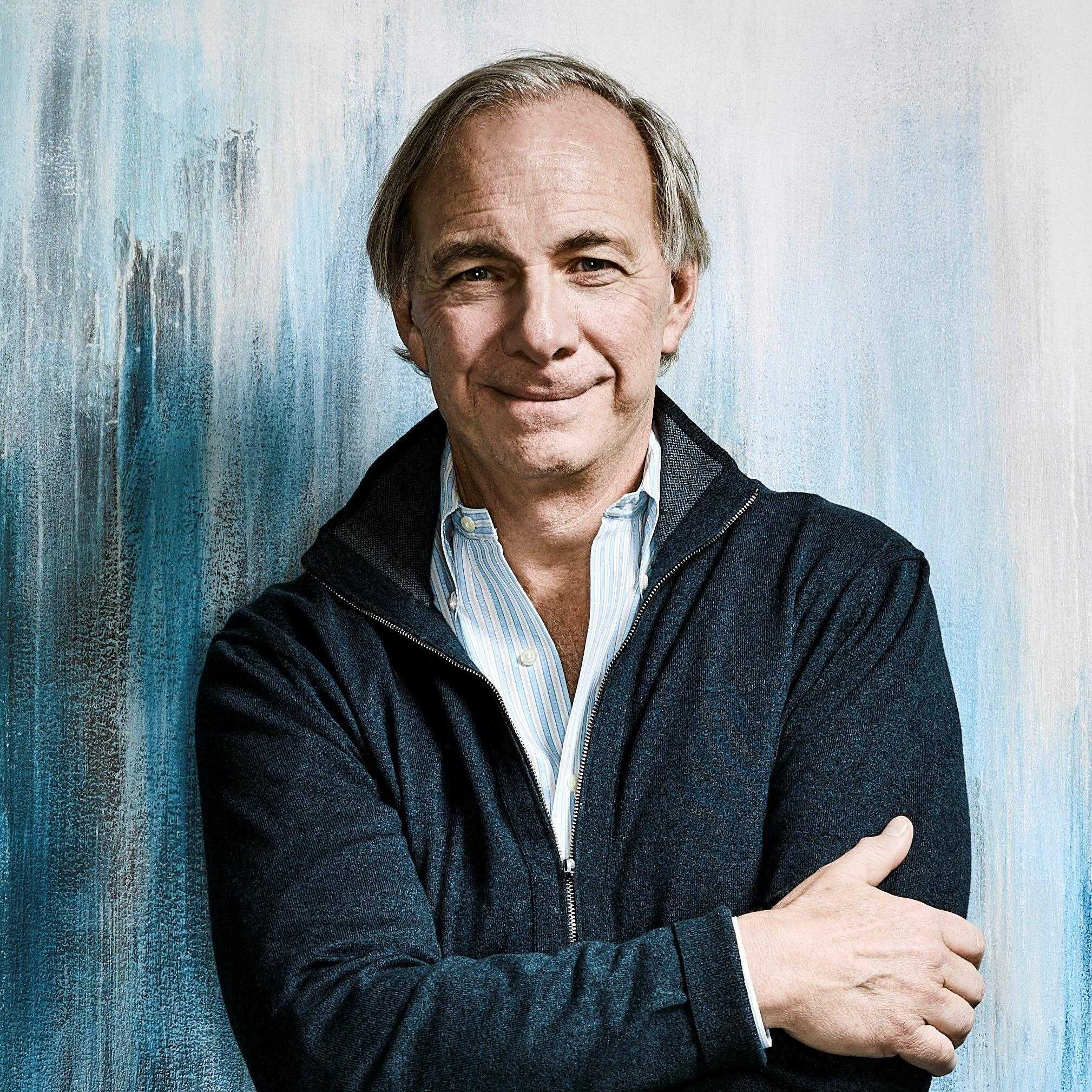
Ray Dalio is the founder of Bridgewater Associates, one of the largest and most successful hedge funds in the world. He is also the author of the bestselling book Principles, where he outlines his philosophy on life, leadership, and investing. Ray is renowned for his unique approach to transparency, radical truth, and thoughtful disagreement within organizations. His insights into economics and investing have made him one of the most influential figures in the financial world. Dalio continues to be a thought leader in business, economics, and philanthropy.
Patrick Collison is an Irish entrepreneur and co-founder of Stripe, a global technology company that enables businesses to accept online payments. Along with his brother John, Patrick has transformed Stripe into one of the most valuable private tech companies in the world. Stripe’s innovative approach to online payments has made it a key player in the financial technology space. Collison is known for his deep interest in science, technology, and policy, often engaging in conversations about innovation, progress, and how to improve societal outcomes. He is an advocate for scientific advancement and the intersection of technology and public policy.
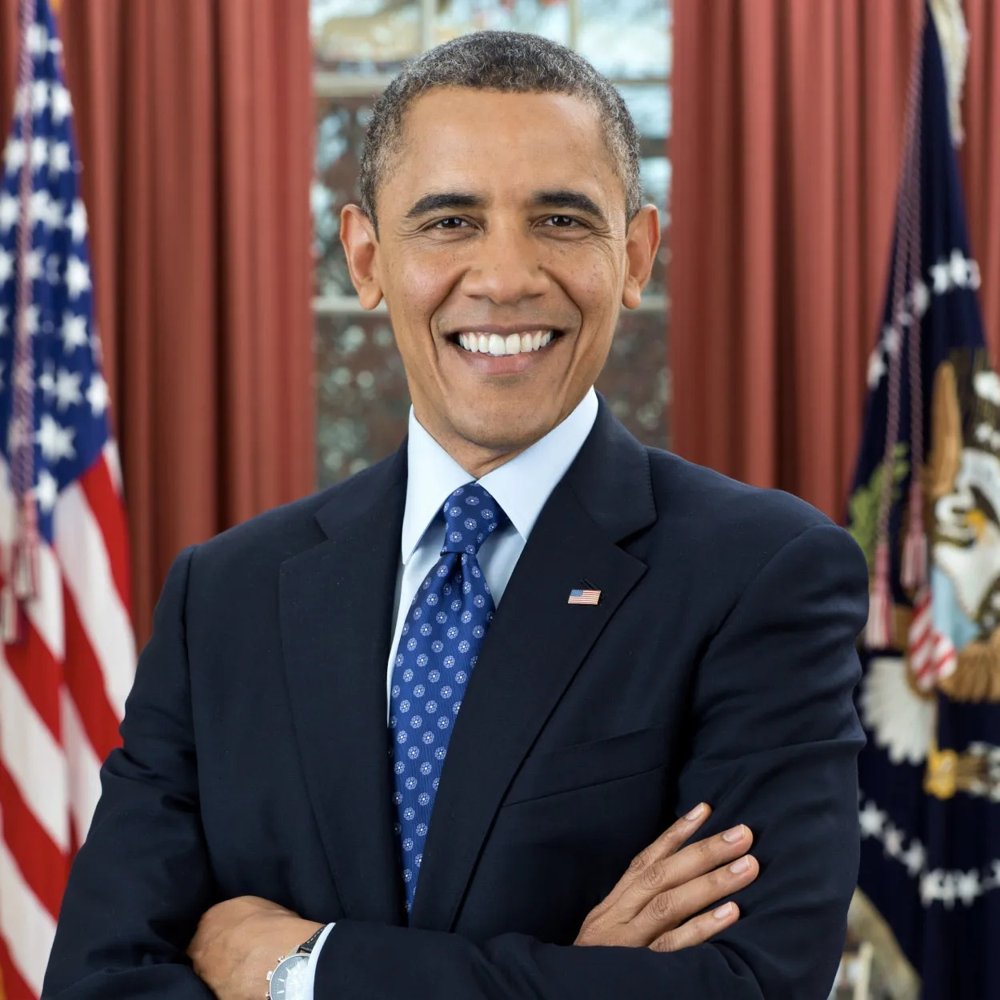
Barack Obama is the 44th President of the United States, serving from 2009 to 2017. As the first African American president, Obama’s leadership marked a historic moment in American history. His administration focused on healthcare reform, economic recovery from the Great Recession, and environmental policies. He is best known for the Affordable Care Act, as well as his efforts to expand civil rights and restore diplomatic relations with Cuba. Since leaving office, Obama has continued to engage in public life through his foundation, focusing on leadership development, civic engagement, and global issues.
Showing 8 of 24 related collections
Discover a world of knowledge through our extensive collection of book summaries.
William Stivers is a prolific author known for his engaging storytelling and richly developed characters. His notable works include 'The Whispering Shadows', 'Echoes of Silence', and 'The Lost Canvas'. Stivers' writing style blends lyrical prose with deep psychological insights, often exploring themes of identity, resilience, and the complexities of human relationships. His unique voice has garnered critical acclaim and a dedicated readership, establishing him as a significant figure in contemporary literature.
Key information about the book.
 Buy on Amazon
 Buy via BookShop
Support local bookstores: BookShop gives a portion of each sale to independent bookshops!
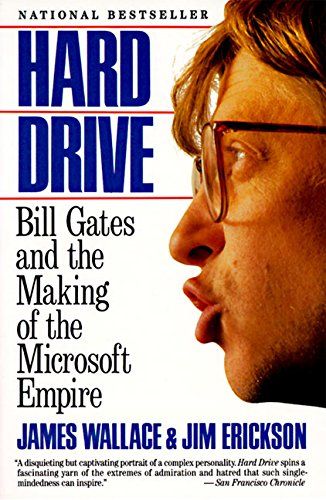
In "Hard Drive," authors James Wallace and Jim Erickson delve into the fascinating world of computer technology, revealing the untold stories behind the creation of the hard drive—an invention that revolutionized how we store and access information. They explore the fierce competition among engineers, the challenges of innovation, and the triumphs that led to the digital age. Through riveting anecdotes and insider insights, the book uncovers the personalities and passions driving this technology forward. As you journey through the captivating history of the hard drive, you'll discover how its development shaped our modern lives in unimaginable ways. Prepare to be intrigued by the intertwined destinies of hardware and human ambition!
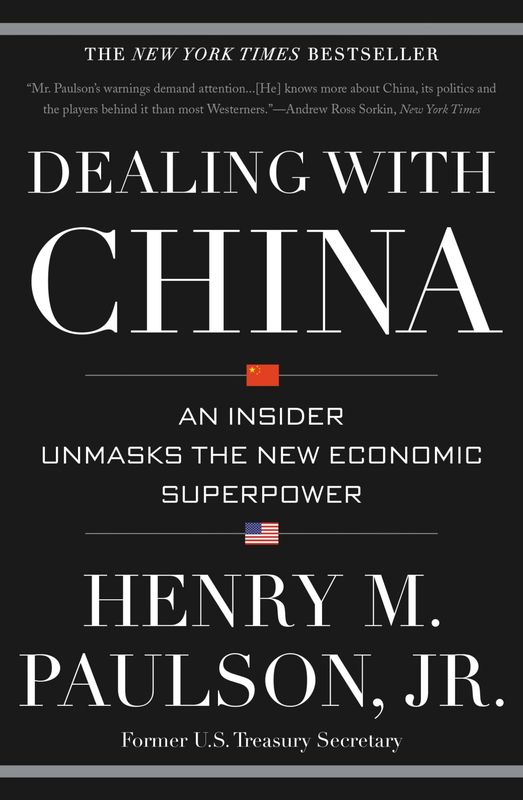
In 'Dealing with China,' former Treasury Secretary Henry M. Paulson Jr. shares his riveting firsthand experiences in navigating the complex U.S.-China relationship. With a unique perspective drawn from years of high-stakes diplomacy, Paulson unveils the intricacies of China's economy and political landscape. He explores the delicate balance of cooperation and competition between the two superpowers, sparking vital discussions on trade, investment, and global security. As he reveals the challenges and opportunities that lie ahead, readers are left questioning what the future holds for this dynamic partnership. This book is a compelling call to understand China not just as a rival but as a crucial player in the global arena.
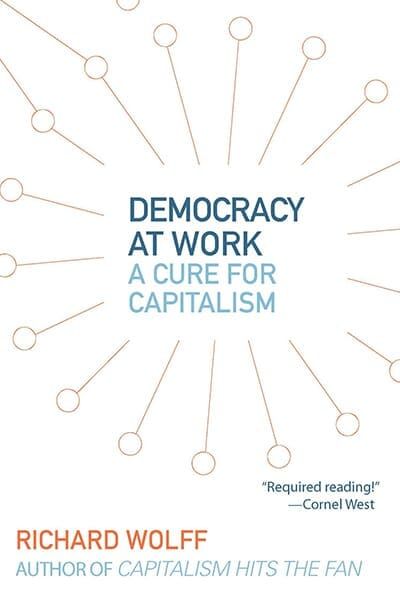
In 'Democracy at Work', Richard D. Wolff challenges the conventional notions of democracy and the workplace, advocating for a radical transformation where workers have a say in their enterprises. Through compelling arguments and real-world examples, he explores the failures of capitalism and presents a vision for a more just and equitable economic system. Wolff introduces the idea of worker cooperatives as a feasible alternative, illustrating how they can empower employees and foster true democratic practices. This thought-provoking book urges readers to reconsider their understanding of democracy beyond the confines of politics and into the very fabric of their daily work lives. Are we ready to rethink who really holds the power in the workplace?
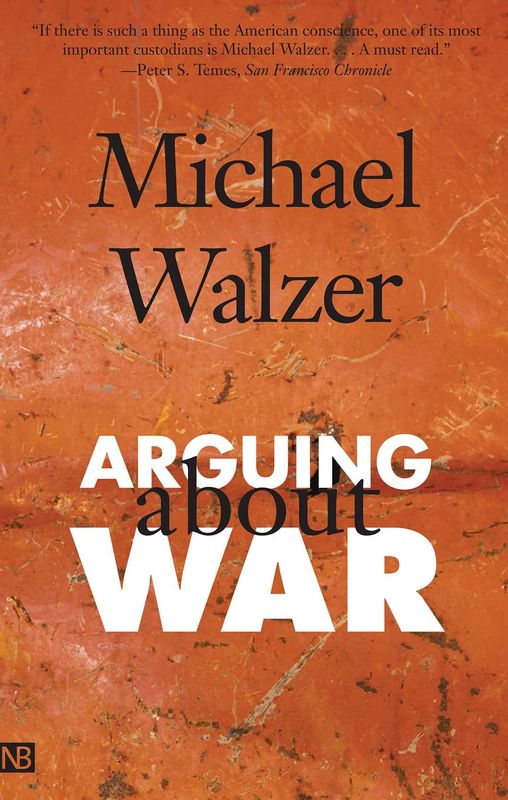
In 'Arguing about War,' Michael Walzer delves into the ethical complexities surrounding conflict and warfare, challenging traditional justifications for war. Through thought-provoking analysis and compelling historical examples, he questions whether moral principles can truly be upheld in the chaos of battle. Walzer invites readers to ponder the weight of political responsibility and the consequences of intervention. His exploration of just war theory ignites debate on the morality of military action, making us confront uncomfortable truths about human nature. Engage with this critical discourse and discover how morality and war intersect in ways that will reshape your understanding of global conflicts.
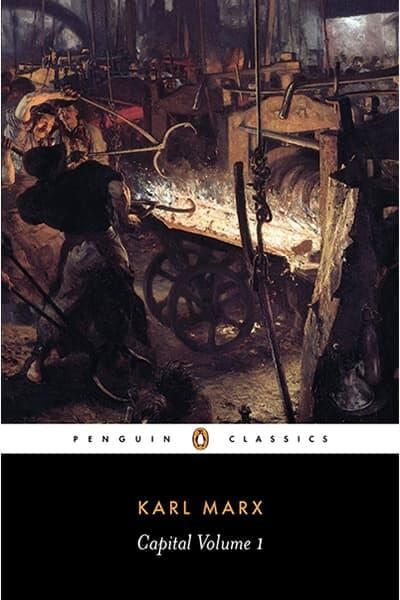
In 'Capital,' Karl Marx unveils the intricate mechanics of capitalism, revealing how it perpetuates class struggle and economic disparity. Through a meticulous exploration of labor, commodity, and value, he exposes the exploitative relationships hiding beneath the surface of wealth. With a bold critique of industrial society, Marx argues that the relentless pursuit of profit leads to societal decay and discontent. His revolutionary ideas challenge the very foundations of capitalism, prompting readers to question the status quo. Dive into this groundbreaking work that continues to influence modern economic thought and societal change.

In 'The Uncensored War', Daniel C. Hallin unveils the complex relationship between the media and the Vietnam War, revealing how coverage shaped public perception and policy. Through gripping accounts and critical analysis, he demonstrates the struggle between reporters and the military, highlighting the tension between censorship and transparency. Hallin argues that the media's role was not just to inform but to influence, raising questions about accountability and truth in wartime. As readers delve into this historic conflict, they will uncover the powerful impact of journalism on democracy and society. Will the revelations compel us to rethink the narratives we accept?

In 'The Age of Terror,' Strobe Talbott and Nayan Chanda explore the evolving landscape of global conflict in the post-9/11 era. The authors delve into how terrorism has reshaped international relations and domestic policies, urging readers to reassess their understanding of security and freedom. With gripping anecdotes and comprehensive analysis, the book unveils the intricate web connecting political power, societal fears, and the relentless threat of terror. As they expose the complex motivations behind terrorist actions, Talbott and Chanda challenge the notion of strict dichotomies between good and evil. This thought-provoking work leaves readers pondering: How do we navigate a world rife with uncertainty and shadows of violence?
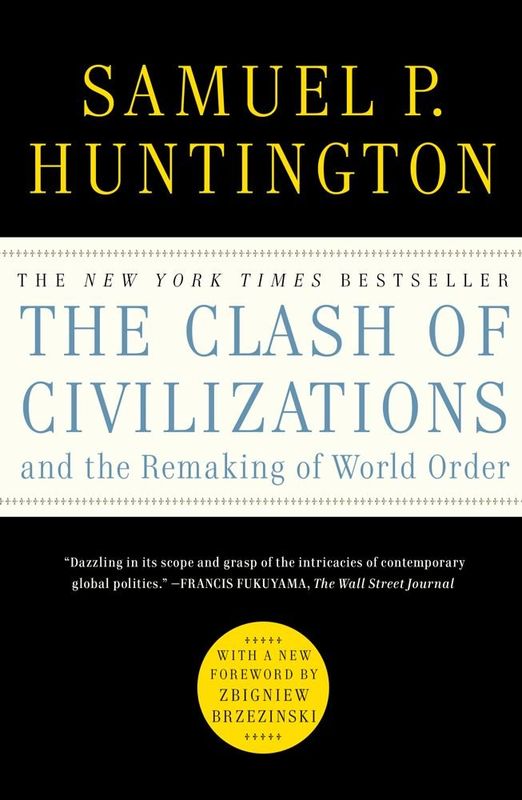
In 'The Clash of Civilizations and the Remaking of World Order,' Samuel P. Huntington proposes a bold theory that global conflicts will no longer be driven primarily by ideology or economics, but by cultural and religious identities. He suggests that the fundamental sources of conflict lie in the differing civilizations' beliefs and values, leading to a restructured world order. Huntington's ideas challenge the prevailing notions of a peaceful, post-Cold War era and paint a provocative picture of future geopolitical tensions. As he analyzes the rise of non-Western civilizations, readers are left questioning how these cultural divides will shape international relations. Will understanding these differences be the key to avoiding global chaos, or will they exacerbate the conflicts of tomorrow?





Download our mobile app to enjoy your favorite books on the go. Get access to exclusive features, offline listening, and personalized recommendations.