The Box Book Summary
In 'The Box', Marc Levinson unveils the transformative power of the shipping container, an unassuming yet revolutionary invention that reshaped global trade. Journeying through history, he reveals how this simple design ignited unprecedented economic growth and altered the way goods are transported and consumed. With vivid anecdotes and compelling insights, Levinson explores the implications of containerization on modern society and international relations. As we unpack the layers of this innovation, we are led to question how much we truly understand about the connections that shape our world. Discover how a mere box became the backbone of the global economy, challenging our perspectives on progress and globalization.
By Marc Levinson
Published: 2016
"In a world where boundaries blur and commerce knows no borders, the humble shipping container has become the silent architect of globalization, reshaping economies and cultures in its unassuming steel embrace."


Start Listening to Book Summary
Book Review of The Box
In April 1956, a refitted oil tanker carried fifty-eight shipping containers from Newark to Houston. From that modest beginning, container shipping developed into a huge industry that reshaped manufacturing. But the container didn't just happen. Its adoption required huge sums of money, years of high-stakes bargaining, and delicate negotiation on standards. Now with a new chapter, The Box tells the dramatic story of how the drive and imagination of an iconoclastic entrepreneur turned containerization from an impractical idea into a phenomenon that transformed economic geography, slashed transportation costs, and made the boom in global trade possible. -- from back cover.
Book Overview of The Box
About the Book Author
Marc Levinson
Marc Levinson is an acclaimed author and economic historian known for his insightful explorations of economic history and globalization. His notable works include 'The Great A&P and the Struggle for Small Business in America,' which examines the impact of large corporations on American businesses and society, and 'An Extraordinary Time: The End of the Postwar Boom and the Uncertain Future of the American Economy,' where he analyzes the economic transformations since the mid-20th century. Levinson's writing is characterized by meticulous research, engaging narratives, and a dedication to making complex economic ideas accessible to a broad audience.
Book Details
Key information about the book.
- Authors
- Marc Levinson
- Published
- April 2016
- Publisher
- Princeton University Press
- ISBN
- 0691170819
- Language
- English
- Pages
- 540
- Genres
- Global EconomicsHistoryBusiness and EconomicsHistory of TechnologyEconomic Policy
Purchase Options
 Buy on Amazon
 Buy via BookShop
Support local bookstores: BookShop gives a portion of each sale to independent bookshops!
Similar books you might like →
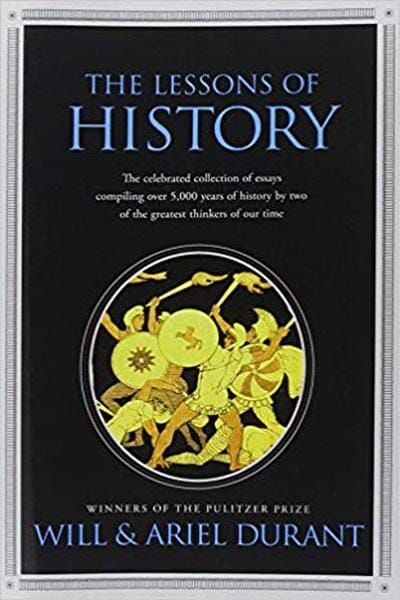
The Lessons of History Book Summary
In "The Lessons of History," Will and Ariel Durant distill the sweeping narrative of human civilization into profound insights that span cultures and epochs. They explore the recurring themes of war, economics, religion, and human nature that shape our collective journey. With razor-sharp clarity, the Durants argue that the past holds invaluable lessons that can guide our present and future decisions. What patterns emerge when we closely examine the ebb and flow of societies? This thought-provoking work invites readers to reflect on the intricacies of humanity's story and consider how we might navigate the path ahead.

Untangled Book Summary
In "Untangled," bestselling author Lisa Damour navigates the complex landscape of adolescence, offering a roadmap for parents and guardians to support teenage girls through seven critical transitions into adulthood. With sharp insights and practical advice, Damour demystifies the emotional and social challenges girls face, transforming confusion into understanding. Each transition—from identity formation to the quest for independence—unpacks the intricate interplay of hormonal changes and societal pressures. This empowering guide not only equips adults with tools to foster resilience but also illuminates the vibrant journey of adolescence as a vital period of growth. Dive into this essential resource and discover how to be the ally every teenage girl needs on her path to adulthood!
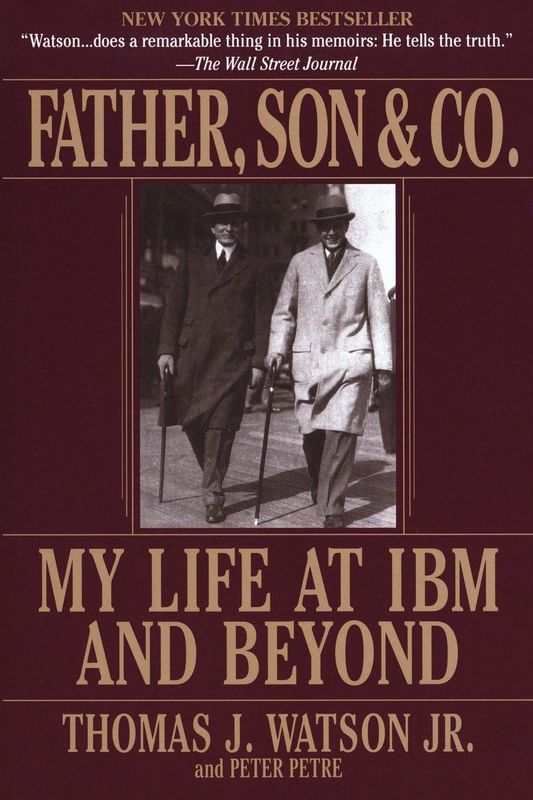
Father, Son & Co. Book Summary
In 'Father, Son & Co.', Thomas J. Watson and Peter Petre unveil the intricate relationship between the visionary founder of IBM and his ambitious son, revealing the personal and professional dynamics that shaped one of the most powerful companies in the world. This compelling narrative delves into the evolution of IBM through the lens of family legacy, ambition, and conflict. Readers will discover not just the rise of a corporate giant, but the intimate struggles and triumphs of a family poised at the helm of technological revolution. With fascinating anecdotes and insider perspectives, the book offers a unique glimpse into the innovative spirit that drove IBM's success. Will the bond of family withstand the pressures of power and competition, or will ambition chart a different course?

Andy Grove Book Summary
Explore the extraordinary life of Andy Grove, the visionary leader who transformed the semiconductor industry and propelled Intel to greatness. Richard S. Tedlow delves into Grove's immigrant background and relentless pursuit of excellence, offering insights into his innovative management style. Discover how his resilience and strategic thinking shaped the tech landscape, making him a pivotal figure in modern business history. This captivating biography reveals the personal and professional challenges that Grove overcame on his journey to becoming a Silicon Valley icon. Will his lessons in leadership and foresight inspire the next generation of innovators?
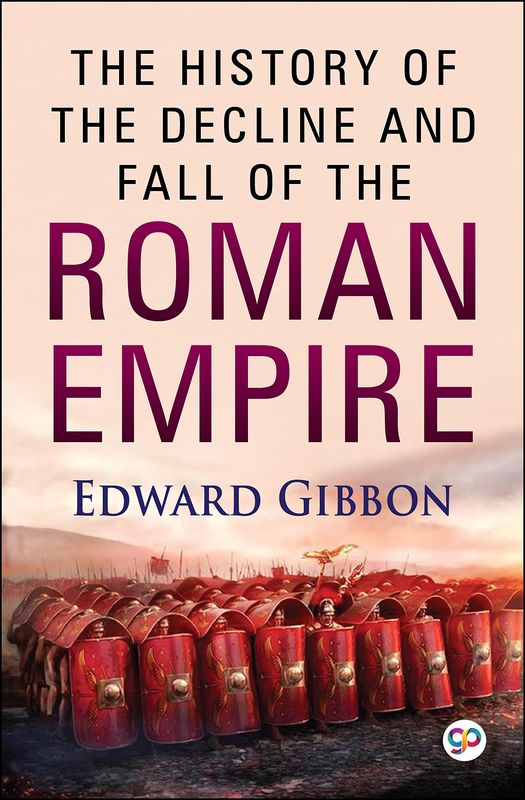
The History of the Decline & Fall of the Roman Empire Book Summary
In 'The History of the Decline & Fall of the Roman Empire,' Edward Gibbon meticulously chronicles the mighty empire's descent into chaos and obscurity. With eloquent prose, Gibbon unveils the interplay of political intrigue, moral decay, and military defeats that eroded Rome's power. His analysis does not merely recount events but delves into the philosophical implications of decline and the lessons for future societies. As empires rise and fall, engage with the timeless questions Gibbon poses about civilization itself. Dive into this monumental work to understand how history shapes our present and future.
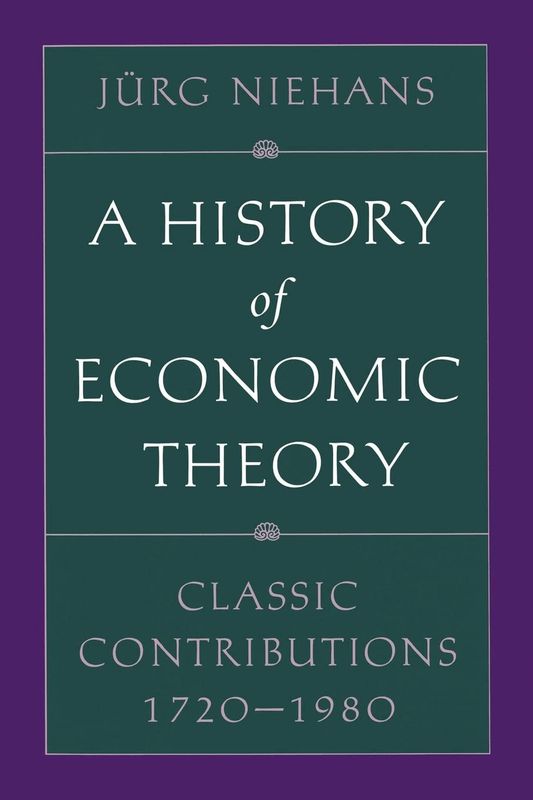
A History of Economic Theory Book Summary
In 'A History of Economic Theory', Jürg Niehans takes readers on a captivating journey through the evolution of economic thought. From ancient philosophies to contemporary paradigms, the book unravels how ideas have shaped economic practices across cultures and eras. With each chapter, Niehans reveals the intellectual battles and breakthroughs that have defined the discipline. Rich in historical context, this work challenges readers to consider the relevance of past theories in today's economy. Dive into this scholarly adventure and discover how the past continually influences our understanding of wealth and value.
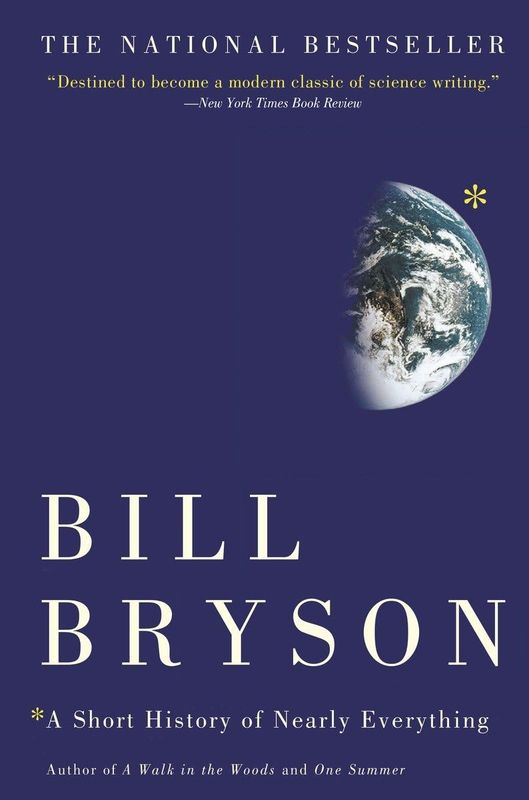
A Short History of Nearly Everything Book Summary
In 'A Short History of Nearly Everything,' Bill Bryson embarks on a whimsical journey through the annals of science, unraveling the mysteries of the universe and humankind's place within it. With wit and humor, he demystifies complex concepts, from the Big Bang to atoms, making them accessible to the layperson. Bryson introduces us to eccentric scientists and their groundbreaking discoveries, igniting a sense of wonder about the world we inhabit. This book is not merely a history; it's a celebration of curiosity, sparking an appreciation for the intricacies of life and the universe. Prepare to be entertained and enlightened as you explore the 'why' and 'how' behind nearly everything.

The Natural History of Religion Book Summary
In 'The Natural History of Religion,' David Hume explores the origins and development of religious beliefs across cultures. Through a blend of philosophy and empirical observation, Hume delves into the psychological and sociological factors that shape religion. His analysis raises provocative questions about the nature of faith and reason, challenging conventional views. As he uncovers the underlying motives for belief, readers are compelled to reconsider their own perspectives on spirituality. This thought-provoking work invites readers on a journey through the complexities of human belief systems.
Showing 8 of 30 similar books
Take your reading experience to the next level
Download our mobile app to enjoy your favorite books on the go. Get access to exclusive features, offline listening, and personalized recommendations.

Similar Book Recommendations →

Paul Graham's Book Recommendations
Paul Graham is a prominent programmer, venture capitalist, and essayist known for his influential work in the tech startup ecosystem. He co-founded Viaweb, one of the first web-based applications, which was later acquired by Yahoo! and became Yahoo! Store. As a co-founder of Y Combinator, Graham has been instrumental in funding and mentoring numerous successful startups, including Dropbox, Airbnb, and Reddit. His essays, collected in books such as "Hackers & Painters," offer profound insights into technology, entrepreneurship, and philosophy, making significant contributions to modern literature on these subjects. Graham's blend of technical expertise and thought leadership has made him a pivotal figure in both the tech and literary communities.

Neil deGrasse Tyson's Book Recommendations
Neil deGrasse Tyson is a renowned astrophysicist, author, and science communicator, best known for his work in popularizing science through various media. As the director of the Hayden Planetarium in New York City, he has played a pivotal role in bringing astronomical discoveries to the public. Tyson has authored several bestselling books, including "Astrophysics for People in a Hurry" and "The Pluto Files," which have made complex scientific concepts accessible to a broad audience. He is also the host of the popular science TV show "Cosmos: A Spacetime Odyssey," a continuation of Carl Sagan's groundbreaking series. Tyson's contributions have significantly enhanced public understanding and appreciation of the universe.

Chris Dixon's Book Recommendations
Chris Dixon is a notable venture capitalist and technology entrepreneur, best known for his influential role as a general partner at Andreessen Horowitz, where he leads investments in cryptocurrency and blockchain technology. Before joining the firm, Dixon co-founded two startups: SiteAdvisor, a web security company acquired by McAfee, and Hunch, a recommendation engine acquired by eBay. In addition to his investment career, Dixon is a prolific writer and thought leader on technology and innovation, contributing insightful essays and articles to various platforms such as his personal blog and Medium. His writings often explore the future of technology, the internet, and the impact of blockchain, making significant contributions to contemporary tech literature. Dixon's work has earned him recognition as a visionary in both the tech and literary worlds.

Marc Andreessen's Book Recommendations
Marc Andreessen is an American entrepreneur, software engineer, and venture capitalist, best known for co-creating the Mosaic web browser, the first widely-used web browser, and co-founding Netscape. Andreessen is also the co-founder of Andreessen Horowitz, one of Silicon Valley’s most prominent venture capital firms, where he invests in groundbreaking technology companies like Facebook, Airbnb, and Coinbase. He is a thought leader on the impact of technology and innovation, often sharing his views on the future of the internet and startups. His contributions to the development of the web and the tech ecosystem have made him one of the most influential figures in technology.

Charlie Munger's Book Recommendations
Charlie Munger is an American investor, businessman, and philanthropist, best known as the vice chairman of Berkshire Hathaway, where he partners with Warren Buffett. Renowned for his insights on investment strategies and mental models, Munger has significantly influenced the world of finance. His notable literary contributions include "Poor Charlie's Almanack," a compilation of his speeches and writings that distill his wisdom on decision-making and business principles. Munger's work emphasizes the importance of multidisciplinary thinking and continuous learning. Beyond his financial acumen, he is celebrated for his charitable efforts, particularly in education and healthcare.

Patrick Collison's Book Recommendations
Patrick Collison is an Irish entrepreneur and co-founder of Stripe, a global technology company that enables businesses to accept online payments. Along with his brother John, Patrick has transformed Stripe into one of the most valuable private tech companies in the world. Stripe’s innovative approach to online payments has made it a key player in the financial technology space. Collison is known for his deep interest in science, technology, and policy, often engaging in conversations about innovation, progress, and how to improve societal outcomes. He is an advocate for scientific advancement and the intersection of technology and public policy.

Jon Stewart's Book Recommendations
Jon Stewart is an American comedian, writer, and former host of The Daily Show, where he gained fame for his satirical take on news and politics. Stewart transformed The Daily Show into a critical voice in American media, blending humor with hard-hitting commentary on political and social issues. After stepping down from the show, Stewart has continued to advocate for causes like 9/11 first responders and veterans' rights. He is also a filmmaker, directing the political satire film Irresistible. Stewart remains a significant figure in American culture, known for his wit, activism, and influence on political discourse.

Brad Feld's Book Recommendations
Brad Feld is a prominent American entrepreneur, venture capitalist, and author known for his influential work in the startup ecosystem. Co-founder of the Foundry Group, he has played a pivotal role in funding and mentoring early-stage technology companies. Feld is also a key figure behind the Techstars accelerator program, which has helped launch numerous successful startups. As an author, he has penned several essential books on entrepreneurship and venture capital, including "Venture Deals" and "Startup Communities," which provide invaluable insights for aspiring entrepreneurs and investors. His writings and active blogging have cemented his reputation as a thought leader in the tech and startup communities.
Showing 8 of 14 related collections
“In a world where boundaries blur and commerce knows no borders, the humble shipping container has become the silent architect of globalization, reshaping economies and cultures in its unassuming steel embrace.”
The Box
By Marc Levinson
Frequently Asked Questions
Explore Our Catalogue
Discover a world of knowledge through our extensive collection of book summaries.
Genres
Genres
Genres
Featured Collections
- Top Book Club Picks
- One-Stop Nutrition
- Summer Reads 2024
- Best Beach Reads 2024
- Work-Life Balance Guide
- Time Management
- Healthy Foods
- Entrepreneur Toolkit
- Mind & Body Wellness
- Future Tech Insights
- Leadership Essentials
- Financial Freedom
- Sci-Fi Masterpieces
- Parenting 101
- Books That Became Blockbusters
- Guide to a Healthy Pregnancy