The Fourth Turning Book Summary
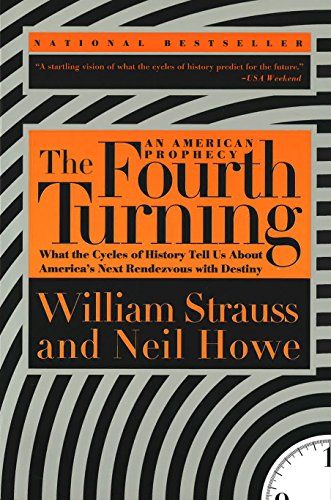
In 'The Fourth Turning,' authors William Strauss and Neil Howe present a provocative theory of history, suggesting that societies cycle through four generational archetypes every 80-100 years. Each 'turning' reflects distinct patterns of societal behavior, creating a rhythmic tapestry of crisis and renewal. With the current era positioned at a climactic 'Fourth Turning,' the authors argue that understanding the past can illuminate the path to our future. Their insights challenge readers to reconsider how generational dynamics shape culture and politics. Are we destined to repeat history, or can we forge a new narrative?
By William Strauss, Neil Howe
Published: 1997
""History unfolds in cycles, and as each generation faces its challenges, the lessons of the past illuminate the path ahead, urging us to embrace the transformative power of our shared experiences.""

Start Listening to Book Summary
Book Review of The Fourth Turning
NATIONAL BESTSELLER • Discover the game-changing theory of the cycles of history and what past generations can teach us about living through times of upheaval—with deep insights into the roles that Boomers, Generation X, and Millennials have to play—now with a new preface by Neil Howe. First comes a High, a period of confident expansion. Next comes an Awakening, a time of spiritual exploration and rebellion. Then comes an Unraveling, in which individualism triumphs over crumbling institutions. Last comes a Crisis—the Fourth Turning—when society passes through a great and perilous gate in history. William Strauss and Neil Howe will change the way you see the world—and your place in it. With blazing originality, The Fourth Turning illuminates the past, explains the present, and reimagines the future. Most remarkably, it offers an utterly persuasive prophecy about how America’s past will predict what comes next. Strauss and Howe base this vision on a provocative theory of American history. The authors look back five hundred years and uncover a distinct pattern: Modern history moves in cycles, each one lasting about the length of a long human life, each composed of four twenty-year eras—or “turnings”—that comprise history’s seasonal rhythm of growth, maturation, entropy, and rebirth. Illustrating this cycle through a brilliant analysis of the post–World War II period, The Fourth Turning offers bold predictions about how all of us can prepare, individually and collectively, for this rendezvous with destiny.
Book Overview of The Fourth Turning
About the Book Authors
William Strauss
William Strauss was an American author, historian, and speaker, best known for his works on generational theory and American culture. He co-authored several influential books with Neil Howe, including 'Generations: The History of America's Future, 1584 to 2069' and 'The Fourth Turning: An American Prophecy', which explore the cyclical nature of history and the impact of different generations on societal trends. Strauss's writing is characterized by a blend of historical analysis, cultural commentary, and predictive insights, making complex concepts accessible to a broad audience. His thought leadership has made him a sought-after speaker and commentator on social and political issues.
Neil Howe
Neil Howe is a renowned American historian, economist, and demographer, best known for co-authoring the influential book 'Generations' with William Strauss. Together, they developed the theory of generational cycles in American history. Howe's other notable works include 'The Fourth Turning' and 'Millennials Rising', where he delves into the characteristics of different generational cohorts. His writing style is characterized by a blend of thorough research and accessible prose, making complex sociological concepts understandable to a broad audience. As a thought leader, Howe frequently speaks on social trends and their implications for society's future.
Book Details
Key information about the book.
- Authors
- William Strauss, Neil Howe
- Published
- December 1997
- Publisher
- Crown
- ISBN
- 0767900464
- Language
- English
- Pages
- 401
- Genres
- HistoryPolitical PhilosophySocial CommentaryPolitics and Current Affairs
Purchase Options
 Buy on Amazon
 Buy via BookShop
Support local bookstores: BookShop gives a portion of each sale to independent bookshops!
Similar books you might like →
The Lessons of History Book Summary
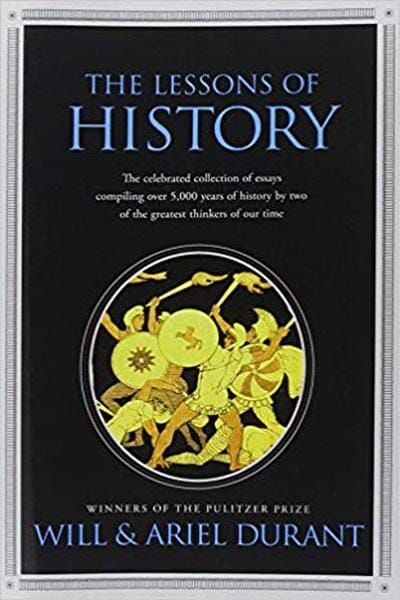
In "The Lessons of History," Will and Ariel Durant distill the sweeping narrative of human civilization into profound insights that span cultures and epochs. They explore the recurring themes of war, economics, religion, and human nature that shape our collective journey. With razor-sharp clarity, the Durants argue that the past holds invaluable lessons that can guide our present and future decisions. What patterns emerge when we closely examine the ebb and flow of societies? This thought-provoking work invites readers to reflect on the intricacies of humanity's story and consider how we might navigate the path ahead.
Voices of a People's History of the United States, 10th Anniversary Edition Book Summary
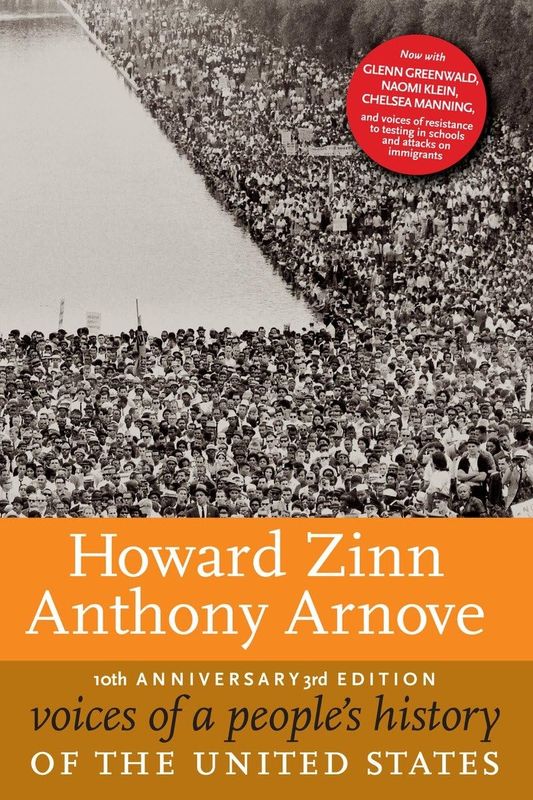
In 'Voices of a People's History of the United States,' Howard Zinn and Anthony Arnove present a powerful anthology that amplifies the voices often silenced in mainstream narratives. This 10th Anniversary Edition delves into the stories of marginalized communities, offering a profound insight into the struggles and triumphs of the American populace. Featuring riveting accounts from laborers, activists, and everyday citizens, the book challenges conventional historical perspectives. Each narrative serves as a reminder of the resilience of the human spirit and the continuous fight for justice. Discover the untold stories that shape the fabric of America and provoke thought about the narratives we accept.
The Visual History of Type Book Summary
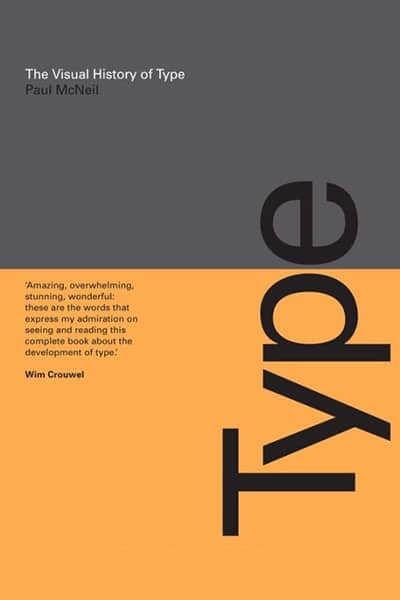
'The Visual History of Type' by Paul McNeil is a stunning exploration of typography's evolution throughout history. This richly illustrated tome uncovers the stories behind iconic typefaces and the designers who created them. Readers will marvel at the interplay between type and culture, revealing how lettering has shaped our visual landscape. McNeil's passion for the subject shines, offering insights that provoke thought and inspire creativity. Dive into this captivating journey that promises to change the way you perceive the world of type!
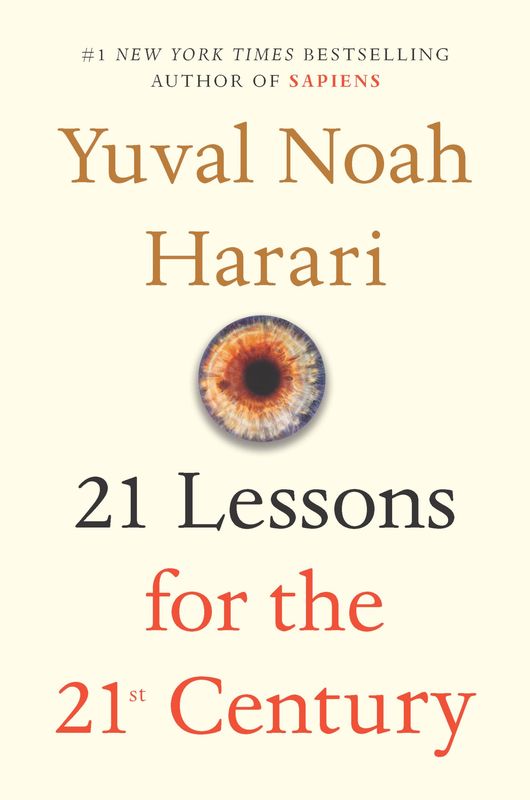
21 Lessons for the 21st Century Book Summary
In '21 Lessons for the 21st Century', Yuval Noah Harari navigates the complex landscape of today's world, tackling urgent questions about our future. From the impact of technology on society to the challenges of political stability, each lesson provokes thought and introspection. Harari explores key themes such as the rise of artificial intelligence, the significance of data, and the importance of meaning in an increasingly uncertain world. With a blend of history, philosophy, and science, the book invites readers to reflect on their roles in shaping a shared future. Will we adapt, or become obsolete? Dive in to uncover the lessons that could redefine humanity's path.
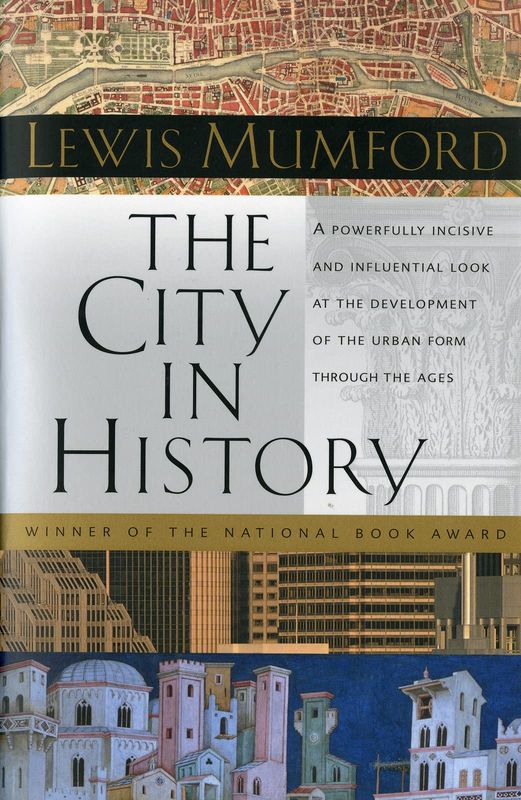
The City in History Book Summary
In 'The City in History,' Lewis Mumford explores the evolution of urban life from ancient times to the modern metropolis. He argues that cities are not just physical structures but reflections of human values and societal progress. Mumford delves into the interplay between architecture, technology, and culture, revealing how they shape the human experience. With incisive critiques and vivid historical examples, he presents a vision of the ideal city that promotes both individuality and community. This thought-provoking journey challenges readers to reconsider the role of cities in their own lives and the future of civilization.
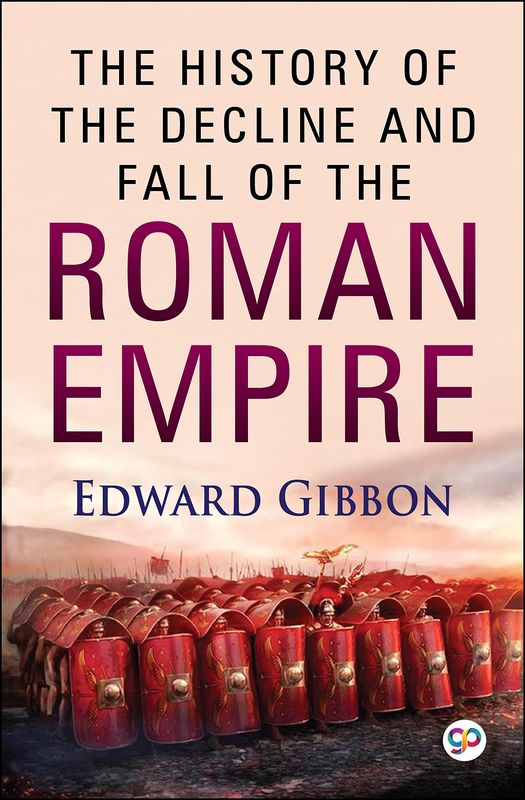
The History of the Decline & Fall of the Roman Empire Book Summary
In 'The History of the Decline & Fall of the Roman Empire,' Edward Gibbon meticulously chronicles the mighty empire's descent into chaos and obscurity. With eloquent prose, Gibbon unveils the interplay of political intrigue, moral decay, and military defeats that eroded Rome's power. His analysis does not merely recount events but delves into the philosophical implications of decline and the lessons for future societies. As empires rise and fall, engage with the timeless questions Gibbon poses about civilization itself. Dive into this monumental work to understand how history shapes our present and future.
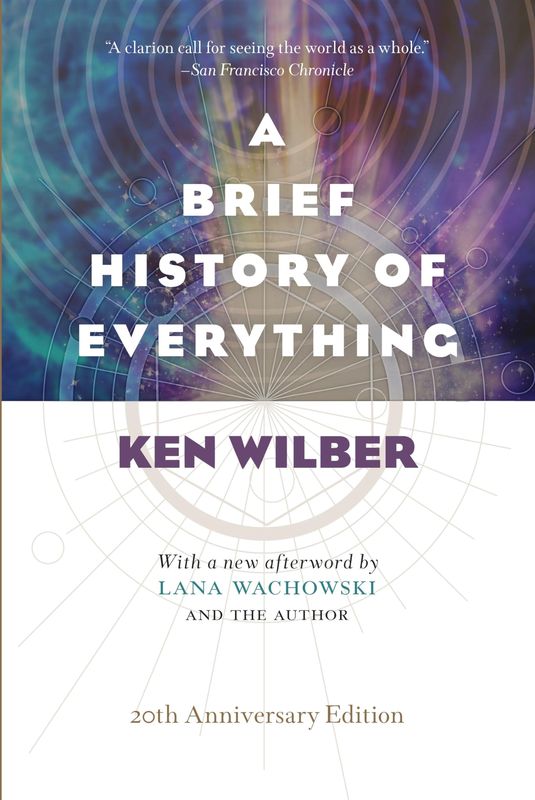
A Brief History of Everything (20th Anniversary Edition) Book Summary
In 'A Brief History of Everything', Ken Wilber takes readers on an enlightening journey through the evolution of consciousness and the unfolding of human history. He skillfully weaves together insights from philosophy, science, and spirituality, offering a holistic perspective on our existence. Discover how various cultural paradigms intersect and influence our understanding of reality. This thought-provoking exploration challenges conventional views and invites readers to contemplate their place in the cosmos. What if the key to our future lies in understanding the past in a radically new way?
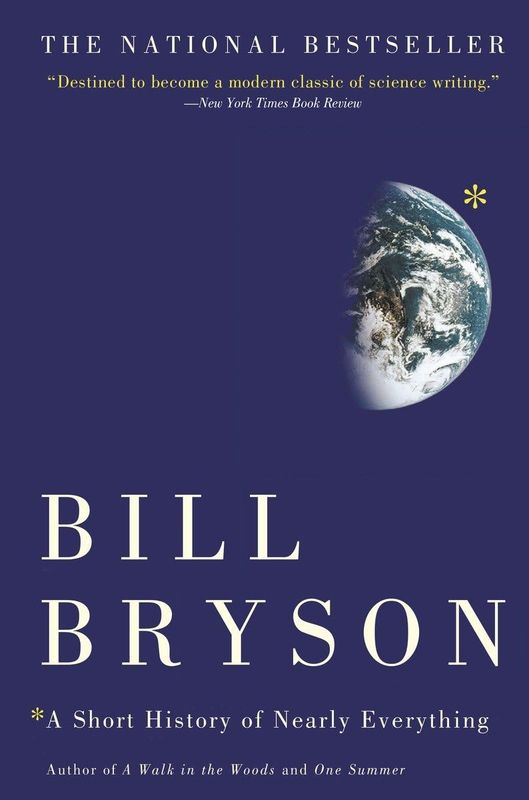
A Short History of Nearly Everything Book Summary
In 'A Short History of Nearly Everything,' Bill Bryson embarks on a whimsical journey through the annals of science, unraveling the mysteries of the universe and humankind's place within it. With wit and humor, he demystifies complex concepts, from the Big Bang to atoms, making them accessible to the layperson. Bryson introduces us to eccentric scientists and their groundbreaking discoveries, igniting a sense of wonder about the world we inhabit. This book is not merely a history; it's a celebration of curiosity, sparking an appreciation for the intricacies of life and the universe. Prepare to be entertained and enlightened as you explore the 'why' and 'how' behind nearly everything.
Showing 8 of 28 similar books
Take your reading experience to the next level
Download our mobile app to enjoy your favorite books on the go. Get access to exclusive features, offline listening, and personalized recommendations.

Similar Book Recommendations →

Barack Obama's Book Recommendations
Barack Obama is the 44th President of the United States, serving from 2009 to 2017. As the first African American president, Obama’s leadership marked a historic moment in American history. His administration focused on healthcare reform, economic recovery from the Great Recession, and environmental policies. He is best known for the Affordable Care Act, as well as his efforts to expand civil rights and restore diplomatic relations with Cuba. Since leaving office, Obama has continued to engage in public life through his foundation, focusing on leadership development, civic engagement, and global issues.

Brad Feld's Book Recommendations
Brad Feld is a prominent American entrepreneur, venture capitalist, and author known for his influential work in the startup ecosystem. Co-founder of the Foundry Group, he has played a pivotal role in funding and mentoring early-stage technology companies. Feld is also a key figure behind the Techstars accelerator program, which has helped launch numerous successful startups. As an author, he has penned several essential books on entrepreneurship and venture capital, including "Venture Deals" and "Startup Communities," which provide invaluable insights for aspiring entrepreneurs and investors. His writings and active blogging have cemented his reputation as a thought leader in the tech and startup communities.
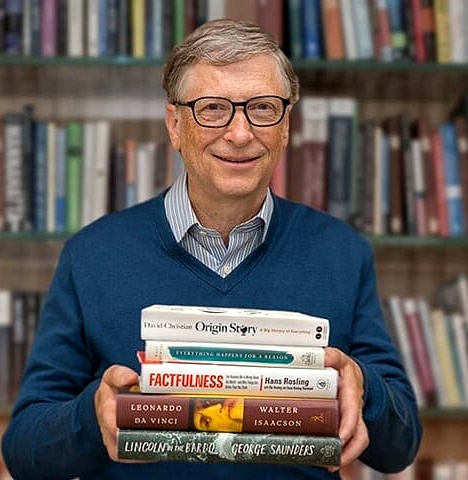
Bill Gates's Book Recommendations
Bill Gates, co-founder of Microsoft Corporation, is a pioneering figure in the tech industry, having played a key role in the personal computer revolution. His work at Microsoft, particularly the development of Windows, transformed software and computing globally. Beyond his technology contributions, Gates is also a prolific author, with notable works such as "The Road Ahead" and "Business @ the Speed of Thought," which offer insights into the future of technology and business. Additionally, his philanthropic efforts through the Bill & Melinda Gates Foundation have had a profound impact on global health, education, and poverty. Gates continues to influence both technology and literature with his forward-thinking perspectives and innovative ideas.

Alfred Lin's Book Recommendations
Alfred Lin is a venture capitalist and partner at Sequoia Capital, where he focuses on investments in consumer internet, enterprise, and mobile companies. Lin is known for his early investments in companies like Airbnb and DoorDash, helping them grow into major global brands. Before joining Sequoia, Lin was an executive at Zappos, where he worked closely with CEO Tony Hsieh to develop the company’s innovative culture and customer service model. Lin’s expertise in scaling businesses and his strategic vision have made him one of the most respected venture capitalists in Silicon Valley.

Brian Armstrong's Book Recommendations
Brian Armstrong is a renowned entrepreneur and author best known for co-founding and leading Coinbase, a major cryptocurrency exchange. His literary contributions include insightful writings on the future of digital currencies and blockchain technology. Armstrong's work has been pivotal in demystifying complex financial systems for a broader audience. Beyond his business acumen, his thought leadership in publications and public speaking engagements has cemented his status as a key voice in the fintech revolution. His dedication to innovation continues to influence the trajectory of global financial systems.

Seth Godin's Book Recommendations
Seth Godin is a prolific author and entrepreneur, renowned for his influential contributions to marketing and business thought leadership. He has written over 20 bestselling books, including "Purple Cow," "Linchpin," and "The Dip," which have revolutionized modern marketing strategies and inspired countless professionals. Godin's work emphasizes the importance of creativity, innovation, and the power of ideas in building successful enterprises. He is also the founder of altMBA, an online leadership and management workshop, and he consistently shares his insights through his popular daily blog. Godin's impact on the marketing world has earned him a spot in the Direct Marketing Hall of Fame.

Ben Affleck's Book Recommendations
Ben Affleck is an acclaimed American actor, director, and screenwriter, noted for his significant contributions to film and literature. He achieved early acclaim with his co-writing and starring role in "Good Will Hunting" (1997), which earned him an Academy Award for Best Original Screenplay alongside Matt Damon. Affleck further showcased his directorial prowess with the critically acclaimed film "Argo" (2012), which won the Academy Award for Best Picture. His work often explores complex characters and social issues, making a substantial impact on contemporary storytelling. Additionally, Affleck has been involved in various philanthropic efforts, using his platform to support numerous charitable causes.
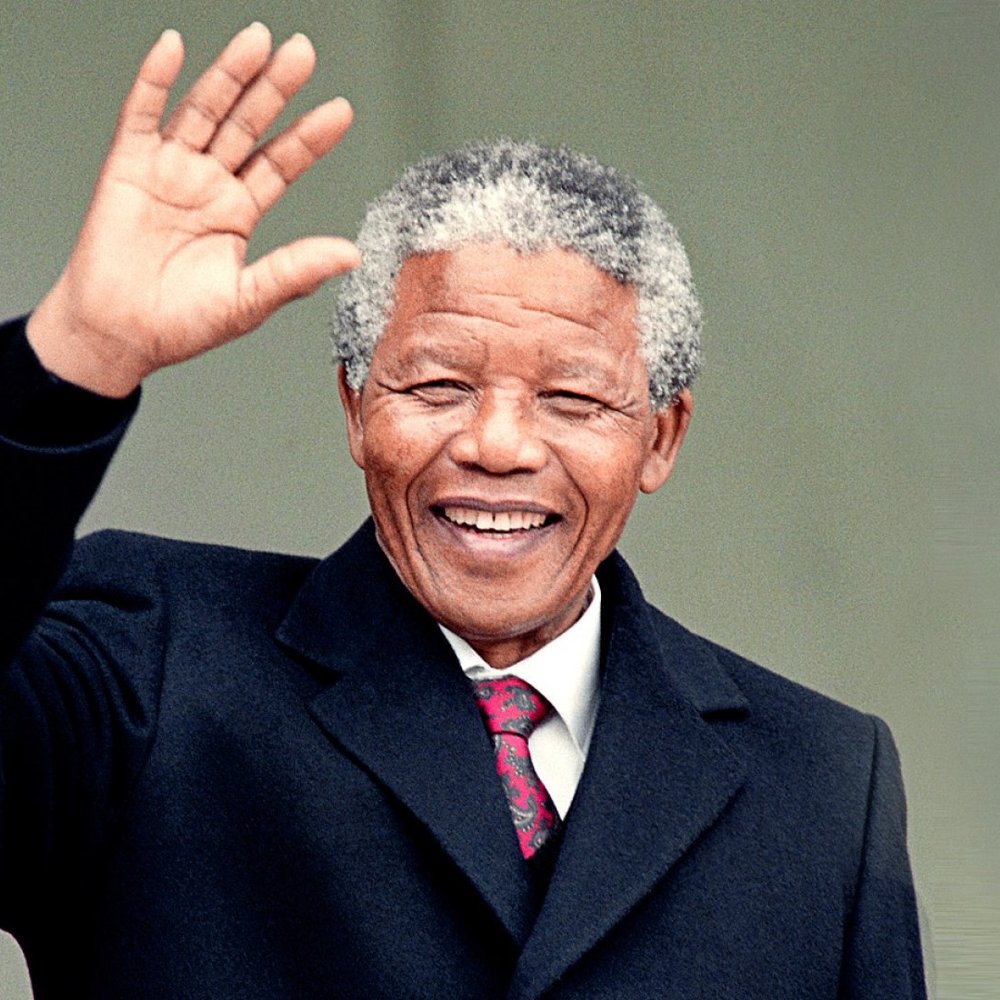
Nelson Mandela's Book Recommendations
Nelson Mandela was a South African anti-apartheid revolutionary and political leader who became the country's first black president from 1994 to 1999. Renowned for his lifelong struggle against racial segregation, he spent 27 years in prison before his release in 1990, which marked a pivotal moment in South Africa's transition to a multiracial democracy. Mandela's literary contributions include his acclaimed autobiography, "Long Walk to Freedom," which chronicles his early life, education, and 27 years in prison. He was awarded the Nobel Peace Prize in 1993 for his efforts to dismantle apartheid and foster reconciliation. Mandela's legacy endures as a symbol of resistance against oppression and a champion for peace and social justice.
Showing 8 of 12 related collections
“"History unfolds in cycles, and as each generation faces its challenges, the lessons of the past illuminate the path ahead, urging us to embrace the transformative power of our shared experiences."”
The Fourth Turning
By William Strauss, Neil Howe
Frequently Asked Questions
Explore Our Catalogue
Discover a world of knowledge through our extensive collection of book summaries.
Genres
Genres
Genres
Featured Collections
- Top Book Club Picks
- One-Stop Nutrition
- Summer Reads 2024
- Best Beach Reads 2024
- Work-Life Balance Guide
- Time Management
- Healthy Foods
- Entrepreneur Toolkit
- Mind & Body Wellness
- Future Tech Insights
- Leadership Essentials
- Financial Freedom
- Sci-Fi Masterpieces
- Parenting 101
- Books That Became Blockbusters
- Guide to a Healthy Pregnancy