The Looming Tower Book Summary
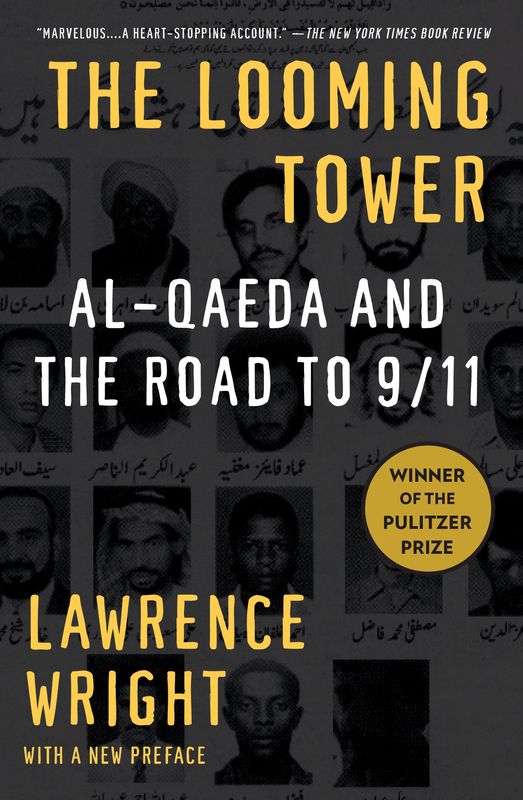
In 'The Looming Tower,' Lawrence Wright unravels the intricate web of events leading up to the 9/11 attacks, immersing readers in the lives of key figures like Osama bin Laden and FBI agent John O'Neill. With compelling storytelling, Wright dives into the dark history of extremist ideologies and the failings of intelligence agencies. He reveals how personal ambitions and geopolitical tensions fueled a chilling narrative of terror. As the profound consequences unfold, readers are left questioning the fragile nature of security and the complexity of human motivations. This gripping book not only chronicles a pivotal moment in history but also serves as a haunting reminder of the looming threats of our time.
By Lawrence Wright
Published: 2007
"The events of September 11th were not just a culmination of a series of actions, but a profound narrative of ideology, belief, and the tragic interplay of faith and violence."

Start Listening to Book Summary
Book Review of The Looming Tower
NATIONAL BESTSELLER • PULITZER PRIZE WINNER • A “heart-stopping account of the events leading up to 9/11” (The New York Times Book Review), this definitive history explains in gripping detail the growth of Islamic fundamentalism, the rise of al-Qaeda, and the intelligence failures that culminated in the attacks on the World Trade Center. In gripping narrative that spans five decades, Lawrence Wright re-creates firsthand the transformation of Osama bin Laden and Ayman al-Zawahiri from incompetent and idealistic soldiers in Afghanistan to leaders of the most successful terrorist group in history. He follows FBI counterterrorism chief John O’Neill as he uncovers the emerging danger from al-Qaeda in the 1990s and struggles to track this new threat. Packed with new information and a deep historical perspective, The Looming Tower is a sweeping, unprecedented history of the long road to September 11.
Book Overview of The Looming Tower
About the Book Author
Lawrence Wright
Lawrence Wright is an acclaimed American author, screenwriter, and journalist, known for his in-depth reporting and narrative non-fiction. His notable works include 'The Looming Tower', which won the Pulitzer Prize for History in 2007 and explores the events leading up to the 9/11 attacks, and 'Going Clear', a critical examination of the Church of Scientology that was adapted into an award-winning documentary. Wright's writing style is characterized by meticulous research, compelling storytelling, and a deep understanding of complex social and political issues, making him a prominent voice in contemporary journalism and literature.
Book Details
Key information about the book.
- Authors
- Lawrence Wright
- Published
- August 2007
- Publisher
- Vintage
- ISBN
- 1400030846
- Language
- English
- Pages
- 578
- Genres
- HistoryGlobal ConflictPolitical HistoryPolitics and Current Affairs
Purchase Options
 Buy on Amazon
 Buy via BookShop
Support local bookstores: BookShop gives a portion of each sale to independent bookshops!
Similar books you might like →
The Lessons of History Book Summary
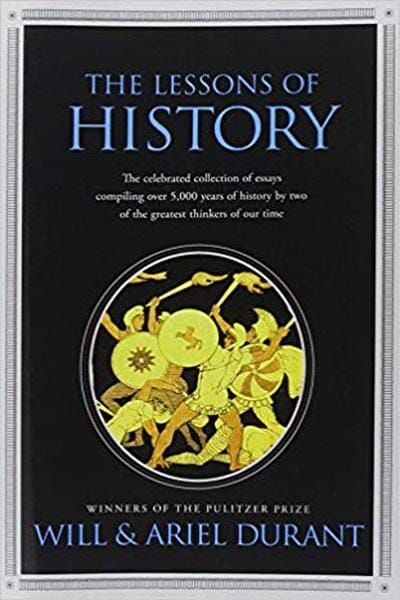
In "The Lessons of History," Will and Ariel Durant distill the sweeping narrative of human civilization into profound insights that span cultures and epochs. They explore the recurring themes of war, economics, religion, and human nature that shape our collective journey. With razor-sharp clarity, the Durants argue that the past holds invaluable lessons that can guide our present and future decisions. What patterns emerge when we closely examine the ebb and flow of societies? This thought-provoking work invites readers to reflect on the intricacies of humanity's story and consider how we might navigate the path ahead.
A Brief History of Time Book Summary
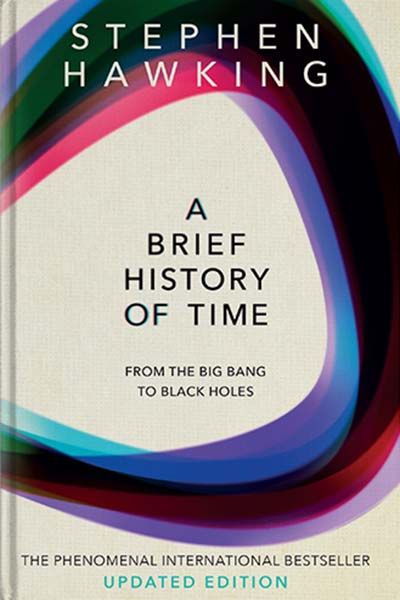
In "A Brief History of Time," Stephen Hawking takes readers on a captivating journey through the cosmos, exploring the nature of time, black holes, and the universe's beginnings. With stunning clarity, he unravels complex scientific concepts, inviting everyone—from curious laypersons to seasoned physicists—to ponder the mysteries of existence. Hawking's charismatic storytelling challenges our perceptions of reality and time itself, posing profound questions about the universe's fate. As he merges science with philosophy, the reader is compelled to reflect on their place in a vast, enigmatic cosmos. Prepare to be inspired and awed by a narrative that transcends mere facts, pushing the boundaries of human understanding.
Voices of a People's History of the United States, 10th Anniversary Edition Book Summary
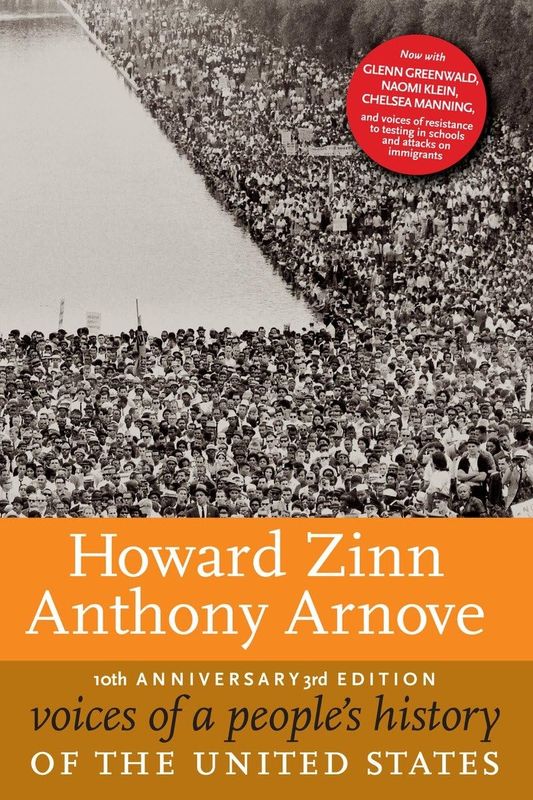
In 'Voices of a People's History of the United States,' Howard Zinn and Anthony Arnove present a powerful anthology that amplifies the voices often silenced in mainstream narratives. This 10th Anniversary Edition delves into the stories of marginalized communities, offering a profound insight into the struggles and triumphs of the American populace. Featuring riveting accounts from laborers, activists, and everyday citizens, the book challenges conventional historical perspectives. Each narrative serves as a reminder of the resilience of the human spirit and the continuous fight for justice. Discover the untold stories that shape the fabric of America and provoke thought about the narratives we accept.
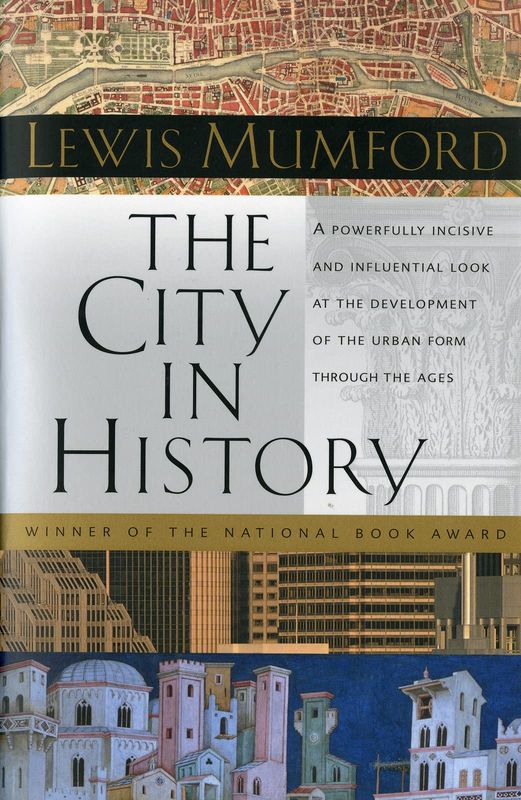
The City in History Book Summary
In 'The City in History,' Lewis Mumford explores the evolution of urban life from ancient times to the modern metropolis. He argues that cities are not just physical structures but reflections of human values and societal progress. Mumford delves into the interplay between architecture, technology, and culture, revealing how they shape the human experience. With incisive critiques and vivid historical examples, he presents a vision of the ideal city that promotes both individuality and community. This thought-provoking journey challenges readers to reconsider the role of cities in their own lives and the future of civilization.
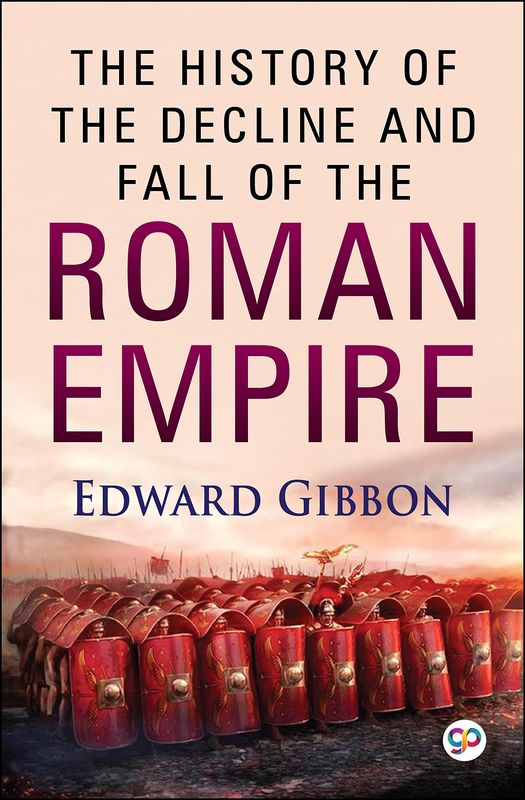
The History of the Decline & Fall of the Roman Empire Book Summary
In 'The History of the Decline & Fall of the Roman Empire,' Edward Gibbon meticulously chronicles the mighty empire's descent into chaos and obscurity. With eloquent prose, Gibbon unveils the interplay of political intrigue, moral decay, and military defeats that eroded Rome's power. His analysis does not merely recount events but delves into the philosophical implications of decline and the lessons for future societies. As empires rise and fall, engage with the timeless questions Gibbon poses about civilization itself. Dive into this monumental work to understand how history shapes our present and future.

Coyote America Book Summary
In 'Coyote America,' Dan Flores unveils the fascinating journey of the coyote, a resilient survivor in the face of human encroachment. The book intertwines history, ecology, and personal anecdotes to reveal the coyote's adaptability and unique role in American culture. Flores challenges our perceptions of this misunderstood creature, inviting readers to explore its complex relationship with humanity. Through rich storytelling, he illuminates the broader themes of nature's resilience and our responsibility in preserving it. Dive into a narrative that transforms the way we see one of North America's most iconic animals.
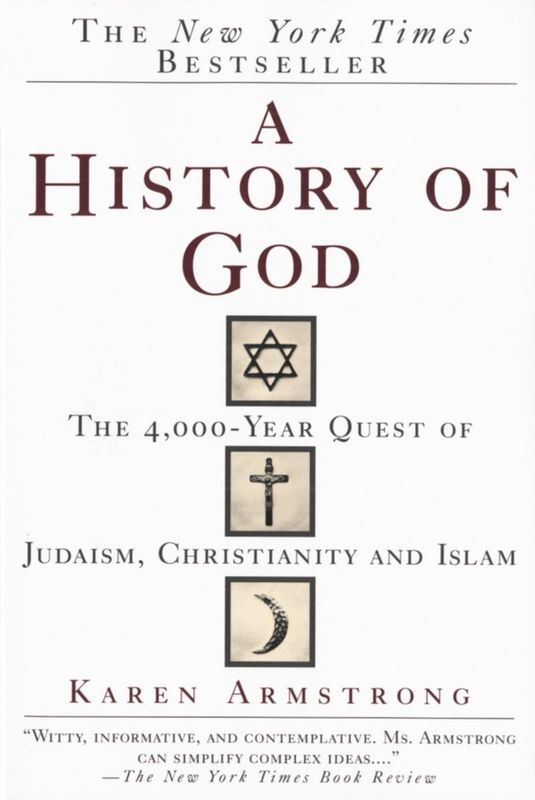
A History of God Book Summary
In 'A History of God', Karen Armstrong embarks on a fascinating journey through the evolution of the concept of God from ancient times to the modern era. She explores how various religions—Judaism, Christianity, and Islam—have shaped humanity's understanding of the divine, revealing the complexities and contradictions in these beliefs. Highlighting the influence of culture, politics, and philosophy, Armstrong invites readers to reconsider their perceptions of faith and spirituality. This thought-provoking narrative raises profound questions about the nature of belief and the future of religious thought. Are we on the brink of a new understanding of God, or are we simply repeating history?
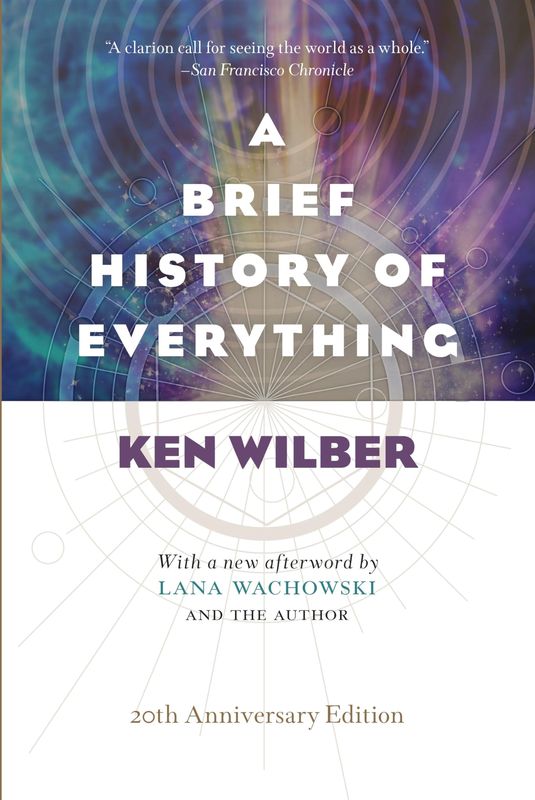
A Brief History of Everything (20th Anniversary Edition) Book Summary
In 'A Brief History of Everything', Ken Wilber takes readers on an enlightening journey through the evolution of consciousness and the unfolding of human history. He skillfully weaves together insights from philosophy, science, and spirituality, offering a holistic perspective on our existence. Discover how various cultural paradigms intersect and influence our understanding of reality. This thought-provoking exploration challenges conventional views and invites readers to contemplate their place in the cosmos. What if the key to our future lies in understanding the past in a radically new way?
Showing 8 of 30 similar books
Take your reading experience to the next level
Download our mobile app to enjoy your favorite books on the go. Get access to exclusive features, offline listening, and personalized recommendations.

Similar Book Recommendations →

Douglas Murray's Book Recommendations
Douglas Murray is a renowned British author, journalist, and political commentator known for his incisive works on contemporary political and social issues. He gained significant acclaim with his book "The Strange Death of Europe: Immigration, Identity, Islam," which critically examines the impact of mass migration and cultural change in Europe. Murray is also the author of "The Madness of Crowds: Gender, Race and Identity," where he explores the complexities and consequences of identity politics. As an associate editor at The Spectator, he regularly contributes thought-provoking articles on global affairs and cultural debates. His eloquent and often controversial perspectives have made him a prominent voice in modern discourse.
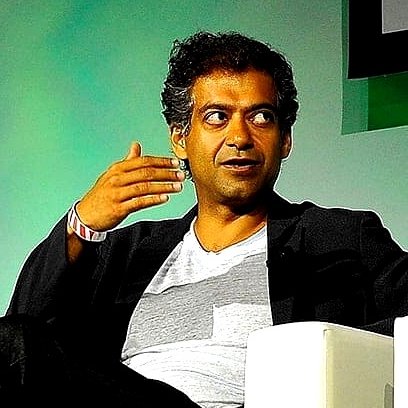
Naval Ravikant's Book Recommendations
Naval Ravikant is an entrepreneur, angel investor, and philosopher, best known as the co-founder of AngelList, a platform that connects startups with investors. Ravikant is a prolific thinker and writer on topics such as startups, investing, and personal well-being, sharing his wisdom through essays, podcasts, and social media. He has invested in over 100 companies, including Uber, Twitter, and Yammer, making him one of Silicon Valley’s most successful angel investors. Ravikant is also known for his philosophical musings on wealth, happiness, and the meaning of life, which have garnered him a large and dedicated following.

Ryan Holiday's Book Recommendations
Ryan Holiday is a bestselling author and media strategist known for his books on stoicism, including The Obstacle Is the Way and Ego Is the Enemy. He is a leading voice in modern stoic philosophy, teaching readers how to apply ancient wisdom to achieve personal and professional success. Holiday’s work emphasizes resilience, discipline, and humility as keys to navigating life’s challenges. He has consulted with major companies and individuals on marketing and strategy, blending stoic principles with contemporary business practices. His books have been translated into over 30 languages.

Barack Obama's Book Recommendations
Barack Obama is the 44th President of the United States, serving from 2009 to 2017. As the first African American president, Obama’s leadership marked a historic moment in American history. His administration focused on healthcare reform, economic recovery from the Great Recession, and environmental policies. He is best known for the Affordable Care Act, as well as his efforts to expand civil rights and restore diplomatic relations with Cuba. Since leaving office, Obama has continued to engage in public life through his foundation, focusing on leadership development, civic engagement, and global issues.

Reid Hoffman's Book Recommendations
Reid Hoffman is an influential American entrepreneur, venture capitalist, and author, best known as the co-founder of LinkedIn, the professional networking platform that transformed online professional interactions. Hoffman has significantly impacted the business world through his investments in notable tech companies like Airbnb, Facebook, and Zynga. As an author, he has co-written several acclaimed books, including "The Start-Up of You" and "Blitzscaling," which provide strategic insights into career development and business growth. His works are celebrated for their practical advice and have become essential reading for aspiring entrepreneurs and business leaders. Hoffman's contributions extend beyond his literary efforts, as he remains a prominent figure in Silicon Valley, shaping the future of technology and innovation.

Bill Gates's Book Recommendations
Bill Gates, co-founder of Microsoft Corporation, is a pioneering figure in the tech industry, having played a key role in the personal computer revolution. His work at Microsoft, particularly the development of Windows, transformed software and computing globally. Beyond his technology contributions, Gates is also a prolific author, with notable works such as "The Road Ahead" and "Business @ the Speed of Thought," which offer insights into the future of technology and business. Additionally, his philanthropic efforts through the Bill & Melinda Gates Foundation have had a profound impact on global health, education, and poverty. Gates continues to influence both technology and literature with his forward-thinking perspectives and innovative ideas.

Bob Iger's Book Recommendations
Bob Iger is an American business executive and the former CEO of The Walt Disney Company, where he led the company through a period of unprecedented growth and innovation. Under Iger’s leadership, Disney acquired major brands like Pixar, Marvel, Lucasfilm, and 21st Century Fox, expanding its portfolio and creating one of the largest entertainment empires in the world. Iger is also credited with launching the Disney+ streaming service, which has become a key player in the digital entertainment space. His leadership style is known for its focus on creativity, long-term vision, and strategic acquisitions. Iger’s tenure at Disney solidified his reputation as one of the most successful and influential media executives.

Alfred Lin's Book Recommendations
Alfred Lin is a venture capitalist and partner at Sequoia Capital, where he focuses on investments in consumer internet, enterprise, and mobile companies. Lin is known for his early investments in companies like Airbnb and DoorDash, helping them grow into major global brands. Before joining Sequoia, Lin was an executive at Zappos, where he worked closely with CEO Tony Hsieh to develop the company’s innovative culture and customer service model. Lin’s expertise in scaling businesses and his strategic vision have made him one of the most respected venture capitalists in Silicon Valley.
Showing 8 of 11 related collections
“The events of September 11th were not just a culmination of a series of actions, but a profound narrative of ideology, belief, and the tragic interplay of faith and violence.”
The Looming Tower
By Lawrence Wright
Frequently Asked Questions
Explore Our Catalogue
Discover a world of knowledge through our extensive collection of book summaries.
Genres
Genres
Genres
Featured Collections
- Top Book Club Picks
- One-Stop Nutrition
- Summer Reads 2024
- Best Beach Reads 2024
- Work-Life Balance Guide
- Time Management
- Healthy Foods
- Entrepreneur Toolkit
- Mind & Body Wellness
- Future Tech Insights
- Leadership Essentials
- Financial Freedom
- Sci-Fi Masterpieces
- Parenting 101
- Books That Became Blockbusters
- Guide to a Healthy Pregnancy