The Sleepwalkers Book Summary
In 'The Sleepwalkers,' Arthur Koestler embarks on a mesmerizing journey through the evolution of human thought and the emergence of science. He intricately weaves together the lives of three revolutionary thinkers: Kepler, Descartes, and Newton, showcasing their breakthroughs and the cultural context that shaped their ideas. As each figure grapples with the mysteries of the universe, the narrative poses profound questions about the nature of knowledge and belief. Koestler's eloquent prose reveals the tension between reason and imagination, sparking curiosity about our own understanding of reality. Dare to unlock the secrets of the past that continue to influence the present?
By Arthur Koestler
Published: 1990
""Humanity is not a product of evolution; it is a conflict of contrasts, a dialogue between light and darkness, the absurd and the sublime.""


Start Listening to Book Summary
Book Review of The Sleepwalkers
An extraordinary history of humanity's changing vision of the universe. In this masterly synthesis, Arthur Koestler cuts through the sterile distinction between 'sciences' and 'humanities' to bring to life the whole history of cosmology from the Babylonians to Newton. He shows how the tragic split between science and religion arose and how, in particular, the modern world-view replaced the medieval world-view in the scientific revolution of the seventeenth century. He also provides vivid and judicious pen-portraits of a string of great scientists and makes clear the role that political bias and unconscious prejudice played in their creativity.
Book Overview of The Sleepwalkers
About the Book Author
Arthur Koestler
Arthur Koestler (1905-1983) was a Hungarian-British author and journalist, renowned for his exploration of political and philosophical themes during the 20th century. He is best known for his influential works such as "Darkness at Noon", a profound examination of totalitarianism and the moral dilemmas faced by individuals in oppressive regimes, and "The Sleepwalkers", an acclaimed history of mankind's search for scientific understanding. Koestler's writing style is characterized by its intellectual rigor, engaging narrative, and deep psychological insights, often reflecting his own tumultuous experiences with ideology and conflict. A staunch advocate for human rights, he was also a prominent critic of totalitarianism, which shaped much of his literary output.
Book Details
Key information about the book.
- Authors
- Arthur Koestler
- Published
- June 1990
- Publisher
- Penguin Books
- ISBN
- 0140192468
- Language
- English
- Pages
- 628
- Genres
- PhilosophyHistoryHistory of Science
Purchase Options
 Buy on Amazon
 Buy via BookShop
Support local bookstores: BookShop gives a portion of each sale to independent bookshops!
Similar books you might like →
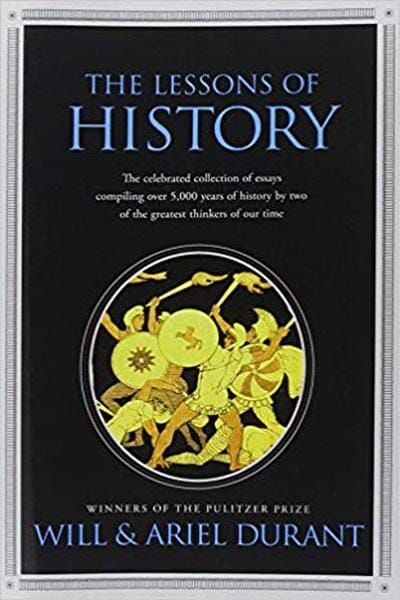
The Lessons of History Book Summary
In "The Lessons of History," Will and Ariel Durant distill the sweeping narrative of human civilization into profound insights that span cultures and epochs. They explore the recurring themes of war, economics, religion, and human nature that shape our collective journey. With razor-sharp clarity, the Durants argue that the past holds invaluable lessons that can guide our present and future decisions. What patterns emerge when we closely examine the ebb and flow of societies? This thought-provoking work invites readers to reflect on the intricacies of humanity's story and consider how we might navigate the path ahead.
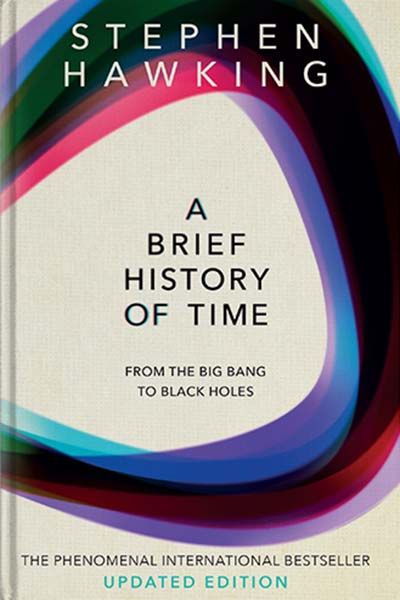
A Brief History of Time Book Summary
In "A Brief History of Time," Stephen Hawking takes readers on a captivating journey through the cosmos, exploring the nature of time, black holes, and the universe's beginnings. With stunning clarity, he unravels complex scientific concepts, inviting everyone—from curious laypersons to seasoned physicists—to ponder the mysteries of existence. Hawking's charismatic storytelling challenges our perceptions of reality and time itself, posing profound questions about the universe's fate. As he merges science with philosophy, the reader is compelled to reflect on their place in a vast, enigmatic cosmos. Prepare to be inspired and awed by a narrative that transcends mere facts, pushing the boundaries of human understanding.
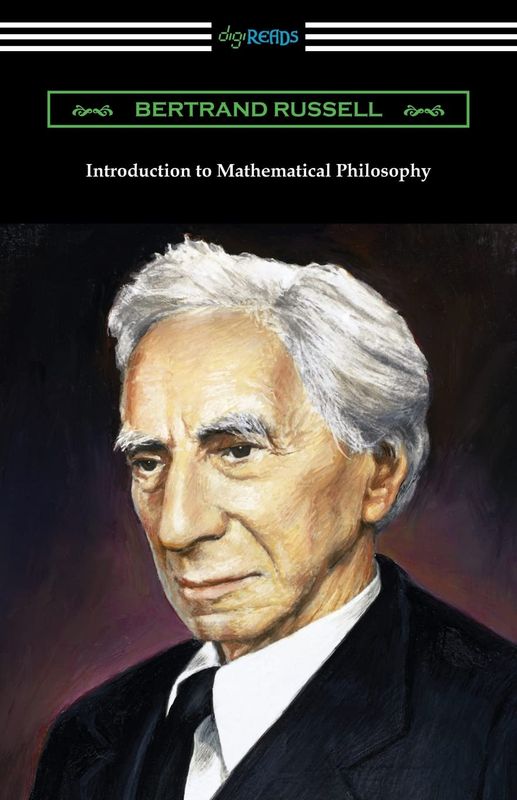
Introduction to Mathematical Philosophy Book Summary
In 'Introduction to Mathematical Philosophy,' Bertrand Russell takes readers on a fascinating journey through the foundations of mathematics and its philosophical implications. He explores concepts such as numbers, infinity, and the nature of mathematical truth, challenging conventional thinking. With his unique blend of clarity and insight, Russell demystifies complex ideas, revealing the profound connections between logic and mathematics. This thought-provoking work not only invites readers to rethink their understanding of numbers but also questions the very essence of reality itself. A must-read for anyone intrigued by the interplay of philosophy and mathematics, this book promises to expand your horizons.

A History of the Wife Book Summary
In 'A History of the Wife', Marilyn Yalom unveils the often-overlooked narratives of women throughout history, exploring the evolution of marriage and the roles of wives in society. Through a blend of historical analysis and personal anecdotes, Yalom reveals the complex dynamics between love, obligation, and identity. Readers journey through various cultures and time periods, witnessing the shifting expectations placed on wives. This illuminating work challenges conventional views on marriage, inviting reflection on contemporary relationships. A must-read for anyone curious about how the past influences the present in the realm of love and partnership.
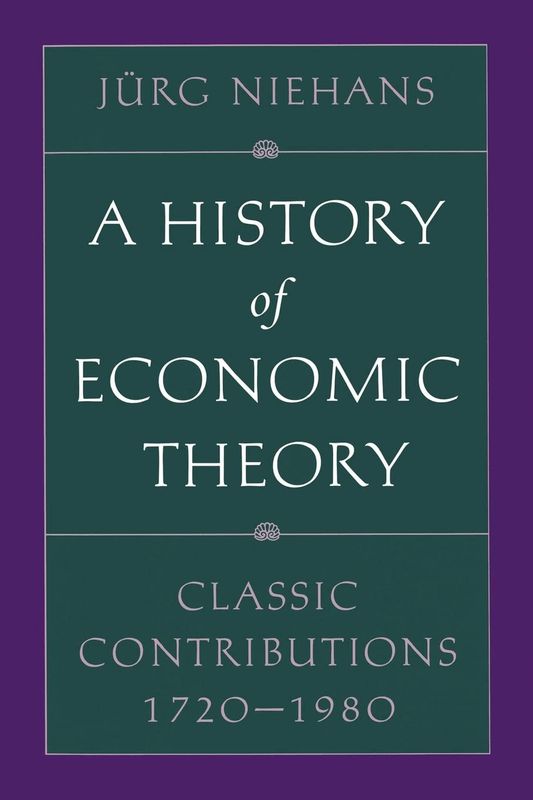
A History of Economic Theory Book Summary
In 'A History of Economic Theory', Jürg Niehans takes readers on a captivating journey through the evolution of economic thought. From ancient philosophies to contemporary paradigms, the book unravels how ideas have shaped economic practices across cultures and eras. With each chapter, Niehans reveals the intellectual battles and breakthroughs that have defined the discipline. Rich in historical context, this work challenges readers to consider the relevance of past theories in today's economy. Dive into this scholarly adventure and discover how the past continually influences our understanding of wealth and value.
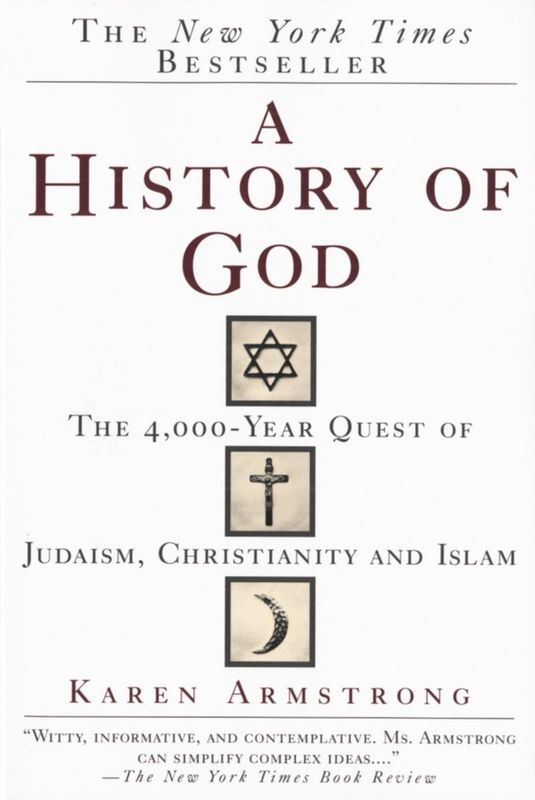
A History of God Book Summary
In 'A History of God', Karen Armstrong embarks on a fascinating journey through the evolution of the concept of God from ancient times to the modern era. She explores how various religions—Judaism, Christianity, and Islam—have shaped humanity's understanding of the divine, revealing the complexities and contradictions in these beliefs. Highlighting the influence of culture, politics, and philosophy, Armstrong invites readers to reconsider their perceptions of faith and spirituality. This thought-provoking narrative raises profound questions about the nature of belief and the future of religious thought. Are we on the brink of a new understanding of God, or are we simply repeating history?

A Brief History of Everything (20th Anniversary Edition) Book Summary
In 'A Brief History of Everything', Ken Wilber takes readers on an enlightening journey through the evolution of consciousness and the unfolding of human history. He skillfully weaves together insights from philosophy, science, and spirituality, offering a holistic perspective on our existence. Discover how various cultural paradigms intersect and influence our understanding of reality. This thought-provoking exploration challenges conventional views and invites readers to contemplate their place in the cosmos. What if the key to our future lies in understanding the past in a radically new way?
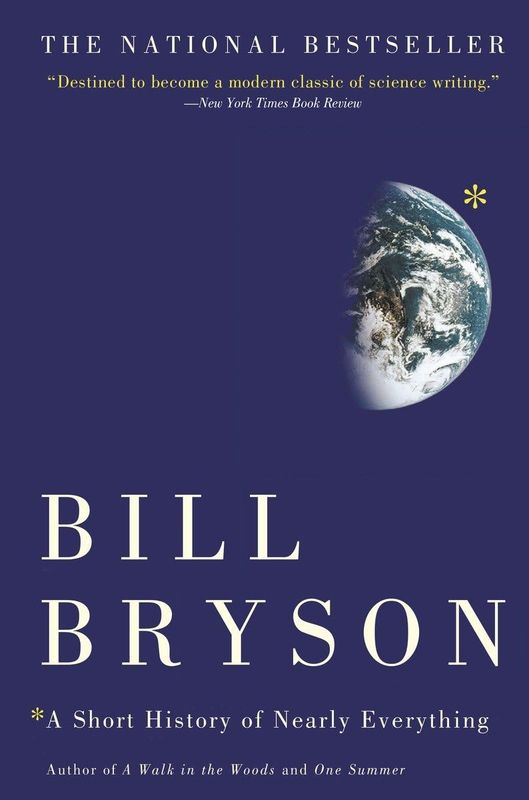
A Short History of Nearly Everything Book Summary
In 'A Short History of Nearly Everything,' Bill Bryson embarks on a whimsical journey through the annals of science, unraveling the mysteries of the universe and humankind's place within it. With wit and humor, he demystifies complex concepts, from the Big Bang to atoms, making them accessible to the layperson. Bryson introduces us to eccentric scientists and their groundbreaking discoveries, igniting a sense of wonder about the world we inhabit. This book is not merely a history; it's a celebration of curiosity, sparking an appreciation for the intricacies of life and the universe. Prepare to be entertained and enlightened as you explore the 'why' and 'how' behind nearly everything.
Showing 8 of 30 similar books
Take your reading experience to the next level
Download our mobile app to enjoy your favorite books on the go. Get access to exclusive features, offline listening, and personalized recommendations.

Similar Book Recommendations →

Amanda Palmer's Book Recommendations
Amanda Palmer is an American singer-songwriter, author, and performance artist, best known for her work as a solo artist and as part of the band The Dresden Dolls. Palmer is known for her theatrical performances, genre-blending music, and her strong connection with her fanbase. She has been a pioneer in crowdfunding, raising millions to fund her creative projects through platforms like Kickstarter and Patreon. Palmer is also the author of The Art of Asking, where she explores themes of vulnerability, creativity, and connection. Her work transcends traditional music, blending performance art, activism, and community engagement.

Lex Fridman's Book Recommendations
Lex Fridman is an artificial intelligence researcher, podcaster, and MIT professor, known for his work in autonomous vehicles, robotics, and deep learning. Fridman has gained widespread popularity through his podcast, Lex Fridman Podcast, where he interviews leading thinkers in science, technology, and philosophy, exploring topics like AI, consciousness, and the future of humanity. His academic work focuses on human-centered AI, aiming to create machines that can better understand and interact with humans. Fridman’s ability to distill complex topics into accessible conversations has earned him a large following, and his podcast is known for its thoughtful, in-depth discussions with some of the brightest minds of our time. He is also an advocate for the responsible development of AI, emphasizing the ethical implications of this rapidly advancing technology. Outside of academia and podcasting, Fridman is a practitioner of jiu-jitsu and frequently speaks about the importance of discipline and continuous learning.

Alex Honnold's Book Recommendations
Alex Honnold is an American professional rock climber, best known for his free solo ascent of El Capitan in Yosemite National Park, a feat that was documented in the Oscar-winning film Free Solo. Honnold is renowned for his mental toughness, technical skill, and ability to climb without ropes or safety equipment. His accomplishments have made him a legend in the climbing world, and he continues to push the boundaries of the sport. Outside of climbing, Honnold is a philanthropist, founding the Honnold Foundation, which supports environmental sustainability projects, particularly in solar energy.

Audrey Gelman's Book Recommendations
Audrey Gelman is an American entrepreneur and writer, best known as the co-founder and former CEO of The Wing, a network of co-working spaces and social clubs designed for women. She has been recognized for her innovative approach to creating supportive environments for professional women, significantly impacting feminist discourse and workplace equality. Gelman has also contributed thought-provoking essays to prominent publications such as The New York Times and The New Yorker, where she discusses gender, politics, and culture. Her leadership at The Wing has been celebrated for fostering community and collaboration among women. Additionally, Gelman's influence extends to the political sphere, having previously worked as a press aide on several high-profile campaigns.

Julie Zhuo's Book Recommendations
Julie Zhuo is a product design expert and author, best known for her work as the Vice President of Product Design at Facebook, where she played a key role in shaping the platform's user experience. Zhuo is also the author of the best-selling book The Making of a Manager, which offers insights into leadership and team management, especially for first-time managers. She is passionate about helping people navigate the complexities of leadership and product development. Since leaving Facebook, Zhuo has continued to focus on writing, advising, and mentoring leaders in the tech industry. Her expertise in design and management has made her a respected voice in Silicon Valley.

Brett Adcock's Book Recommendations
Brett Adcock is an entrepreneur and co-founder of Archer Aviation, an electric vertical takeoff and landing (eVTOL) company focused on revolutionizing urban air mobility. Prior to founding Archer, Adcock co-founded Vettery, a talent marketplace that connects companies with job seekers using data-driven matching technology, which was later acquired by the Adecco Group. At Archer, Adcock is working to build the future of transportation with electric aircraft designed for short-distance flights in urban areas. His vision for the future of air travel has made him a key player in the growing eVTOL and aviation technology industries.

Raoul Pal's Book Recommendations
Raoul Pal is a British economist, investment strategist, and co-founder of Real Vision, a financial media company that provides in-depth analysis of global markets and economies. Pal is known for his insights on macroeconomics, cryptocurrency, and investment trends, often sharing his expertise through interviews, reports, and documentaries. Before founding Real Vision, Pal worked at Goldman Sachs and managed a global macro hedge fund. He is a strong advocate for decentralized finance (DeFi) and frequently discusses the future of digital currencies and blockchain technology. His forward-thinking perspectives on finance have earned him a large following among investors and financial professionals.
“"Humanity is not a product of evolution; it is a conflict of contrasts, a dialogue between light and darkness, the absurd and the sublime."”
The Sleepwalkers
By Arthur Koestler
Frequently Asked Questions
Explore Our Catalogue
Discover a world of knowledge through our extensive collection of book summaries.
Genres
Genres
Genres
Featured Collections
- Top Book Club Picks
- One-Stop Nutrition
- Summer Reads 2024
- Best Beach Reads 2024
- Work-Life Balance Guide
- Time Management
- Healthy Foods
- Entrepreneur Toolkit
- Mind & Body Wellness
- Future Tech Insights
- Leadership Essentials
- Financial Freedom
- Sci-Fi Masterpieces
- Parenting 101
- Books That Became Blockbusters
- Guide to a Healthy Pregnancy