Who's in Charge? Book Summary
In "Who's in Charge?", renowned neuroscientist Michael S. Gazzaniga delves into the intricate workings of the human brain and the concept of free will. He challenges long-held beliefs about the mind's control over our actions, exploring the fascinating relationship between consciousness and the brain's biological processes. Through compelling research and thought-provoking insights, Gazzaniga ignites curiosity about how our decisions are made and who—if anyone—is truly in charge. This book invites readers to question their understanding of self and agency in a world increasingly influenced by science. Prepare to embark on a mind-bending journey that explores the very essence of what it means to be human.
By Michael S. Gazzaniga
Published: 2011
"Our brains are not just machines, but intricate networks of thought where free will dances with determinism, shaping who we are and how we navigate the world."
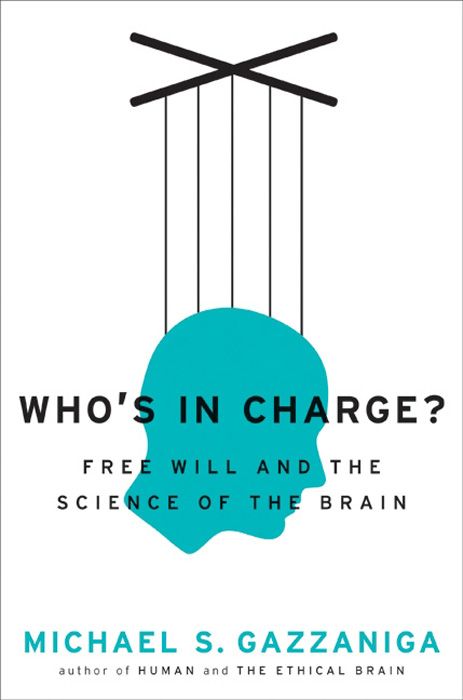

Start Listening to Book Summary
Book Review of Who's in Charge?
“Big questions are Gazzaniga’s stock in trade.” —New York Times “Gazzaniga is one of the most brilliant experimental neuroscientists in the world.” —Tom Wolfe “Gazzaniga stands as a giant among neuroscientists, for both the quality of his research and his ability to communicate it to a general public with infectious enthusiasm.” —Robert Bazell, Chief Science Correspondent, NBC News The author of Human, Michael S. Gazzaniga has been called the “father of cognitive neuroscience.” In his remarkable book, Who’s in Charge?, he makes a powerful and provocative argument that counters the common wisdom that our lives are wholly determined by physical processes we cannot control. His well-reasoned case against the idea that we live in a “determined” world is fascinating and liberating, solidifying his place among the likes of Oliver Sacks, Antonio Damasio, V.S. Ramachandran, and other bestselling science authors exploring the mysteries of the human brain.
Book Overview of Who's in Charge?
About the Book Author
Michael S. Gazzaniga
Michael S. Gazzaniga is a renowned American cognitive neuroscientist and author, best known for his groundbreaking work on the modularity of the brain and its role in human cognition. His notable works include 'The Ethical Brain', 'Who’s in Charge? Free Will and the Science of the Brain', and 'Cognitively Active', in which he explores the complexities of the human mind and the ethical implications of neuroscience. Gazzaniga's writing style is characterized by clarity and accessibility, making complex scientific concepts understandable to a general audience. He is often regarded as a leading figure in the field of neuroscience, and his contributions have significantly advanced our understanding of brain function and behavior.
Book Details
Key information about the book.
- Authors
- Michael S. Gazzaniga
- Published
- November 2011
- Publisher
- Harper Collins
- ISBN
- 0062096834
- Language
- English
- Pages
- 210
- Genres
- Philosophy of MindCognitive PsychologyPsychology
Purchase Options
 Buy on Amazon
 Buy via BookShop
Support local bookstores: BookShop gives a portion of each sale to independent bookshops!
Similar books you might like →
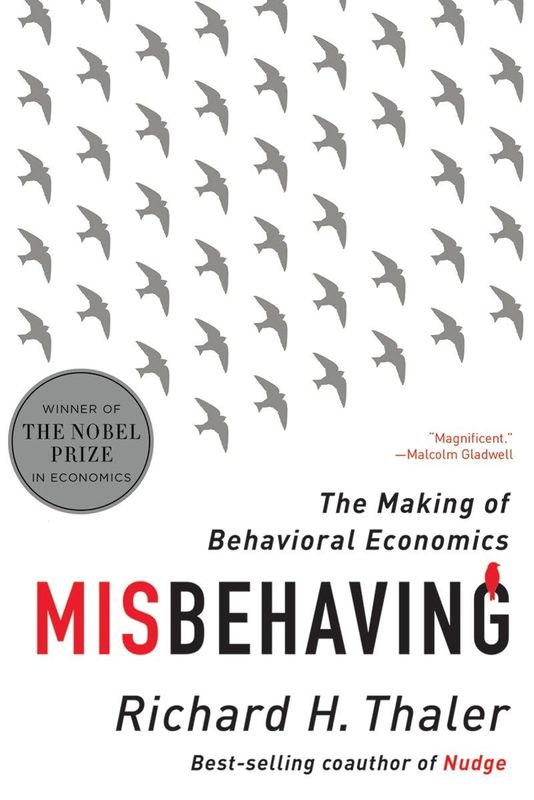
Misbehaving: The Making of Behavioral Economics Book Summary
In "Misbehaving: The Making of Behavioral Economics," Nobel laureate Richard Thaler takes readers on a riveting journey through the evolution of behavioral economics, a field that challenges traditional economic theories. Thaler candidly shares his experiences and groundbreaking experiments that reveal how human behavior often defies rational expectations, leading to surprising choices in everyday life. With a blend of humor and keen insight, he highlights the quirks and biases that influence decision-making, reshaping our understanding of markets and policies. This enlightening narrative not only unveils the complexities of human behavior but also emphasizes the importance of incorporating psychology into economic thinking. Dive into a world where misbehavior leads to profound revelations about the way we live, work, and decide!
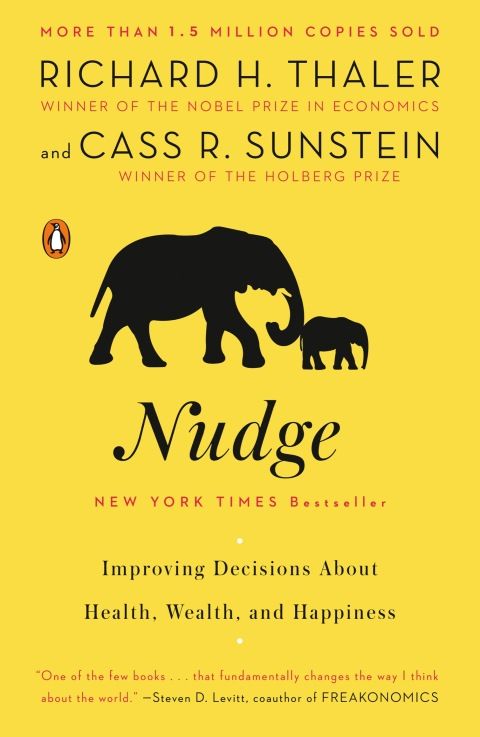
Nudge Book Summary
In "Nudge," behavioral economists Richard Thaler and Cass Sunstein unveil the subtle art of influencing choices and shaping outcomes without restricting freedom. They explore how small, seemingly insignificant changes in the way options are presented can lead to drastically improved decisions in health, finance, and overall happiness. With compelling real-world examples and engaging insights, the authors demonstrate how understanding human psychology can empower individuals and policymakers alike. Dive into a world where choice architecture transforms lives and reshapes society's approach to welfare. Discover the hidden nudges that could change everything about the way we choose!
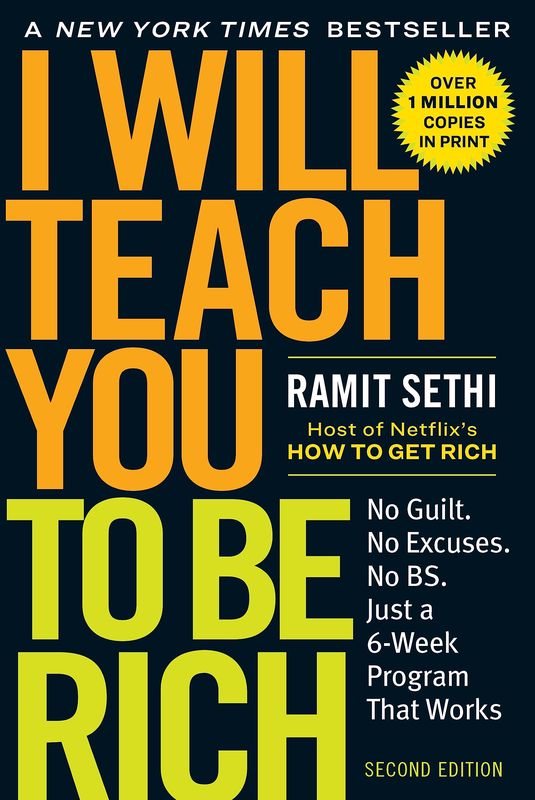
I Will Teach You to Be Rich, Second Edition Book Summary
In 'I Will Teach You to Be Rich, Second Edition,' Ramit Sethi provides a no-nonsense guide to mastering personal finance with a blend of humor and practicality. He challenges conventional money advice and introduces readers to a unique banking system for maximizing their savings. Through straightforward strategies, Sethi reveals how to automate finances and invest wisely for the long term. Each chapter brims with actionable tips that encourage readers to take control of their financial futures. With insights that delve deep into psychology and behavior, this book is a game-changer for anyone seeking to build real wealth.
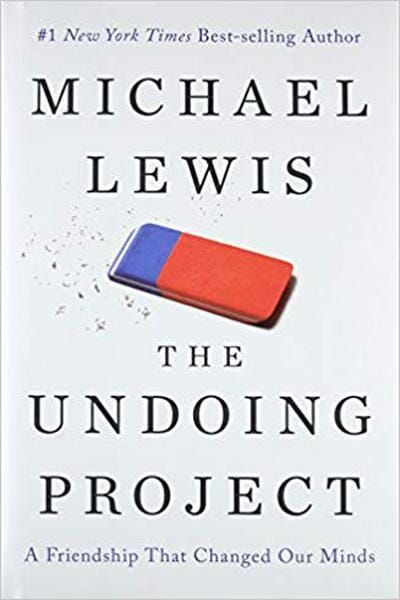
The Undoing Project Book Summary
In 'The Undoing Project', Michael Lewis explores the groundbreaking collaboration between two Israeli psychologists, Daniel Kahneman and Amos Tversky, whose revolutionary theories on decision-making changed our understanding of human rationality. Their research reveals the cognitive biases that influence our choices, often leading us astray in unexpected ways. Through compelling anecdotes and vivid storytelling, Lewis uncovers how their work not only transformed psychology but also impacted economics, medicine, and public policy. As their friendship deepens amid professional triumphs and personal struggles, the book delves into the complexities of the human mind and the power of perspective. Will their insights lead to a newfound awareness of our own thought processes? Discover the fascinating tale behind the science of thinking.
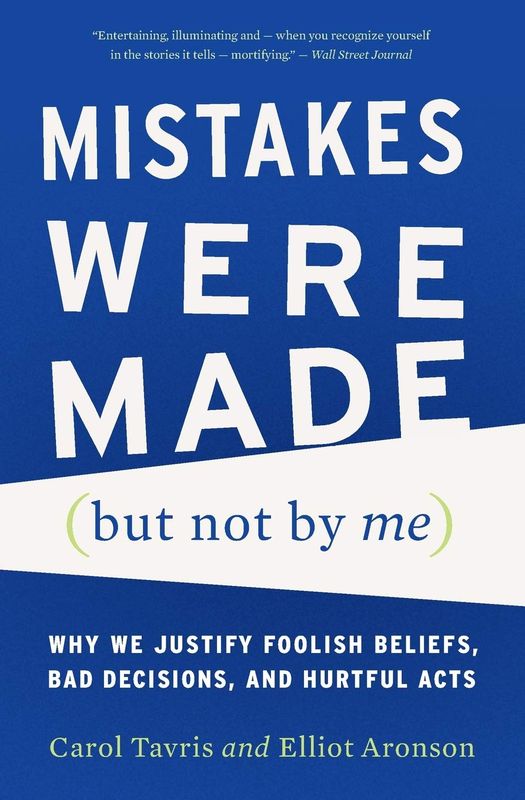
Mistakes Were Made (but Not by Me) Book Summary
In 'Mistakes Were Made (but Not by Me)', Carol Tavris and Elliot Aronson explore the psychological mechanisms of self-justification and the often-unconscious ways we avoid admitting our wrongs. With compelling examples from history, psychology, and personal anecdotes, the authors reveal why people, from individuals to large organizations, refuse to accept accountability. This thought-provoking book challenges readers to confront their own biases and the cognitive dissonance that influences decision-making. Will you choose to embrace the discomfort of acknowledging your mistakes? Dive into this enlightening read and discover the profound impact of accountability on personal growth and relationships.
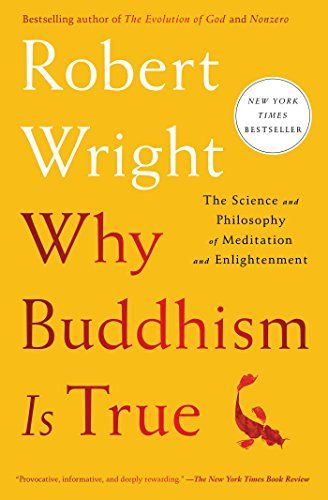
Why Buddhism is True Book Summary
In 'Why Buddhism is True', Robert Wright explores the intersections of modern psychology and ancient Buddhist philosophy, revealing how mindfulness can enhance our understanding of reality. He delves into the science of the mind, explaining why our thoughts often deceive us and how Buddhism offers a remedy. Through engaging anecdotes and thought-provoking insights, Wright demonstrates that the principles of Buddhism can lead to a more fulfilling life. He challenges readers to rethink their beliefs and consider the benefits of a Buddhist approach to pain and suffering. Will you discover the truth that can liberate your mind?
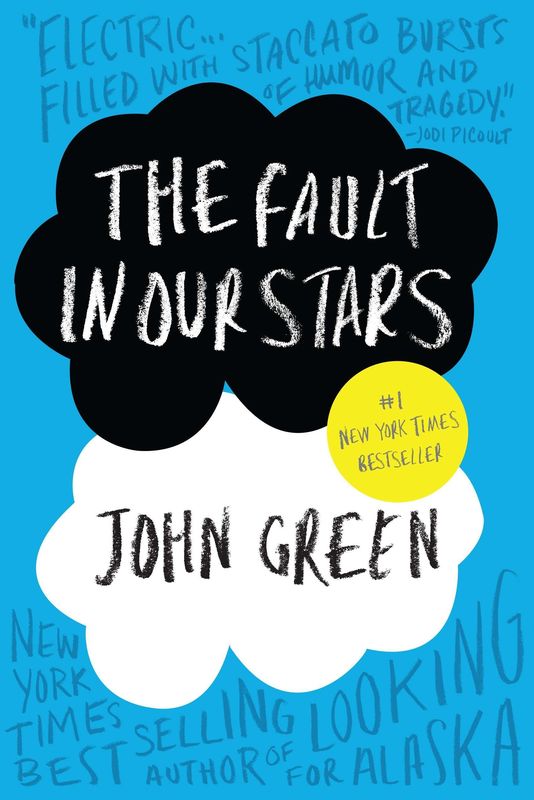
The Fault in Our Stars Book Summary
In 'The Fault in Our Stars', two teenagers, Hazel Grace Lancaster and Augustus Waters, navigate the trials of young love while grappling with cancer. Their poignant journey unfolds against the backdrop of existential reflections and the search for meaning in their limited time. With humor and heartbreak intertwined, the story explores profound themes of life, death, and the impact of love. As they travel to Amsterdam to meet a reclusive author, secrets and revelations challenge their perceptions of happiness. This compelling tale will leave you questioning the fragility and beauty of existence.
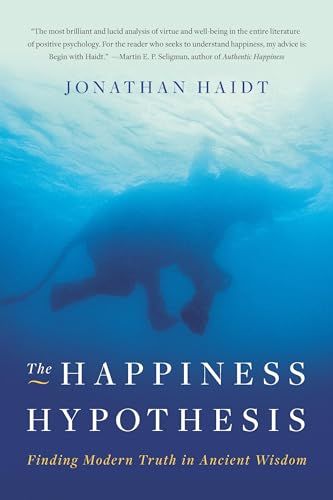
The Happiness Hypothesis Book Summary
In 'The Happiness Hypothesis', Jonathan Haidt delves into the ancient wisdom of happiness, exploring how age-old philosophies intersect with modern psychology. He presents a compelling argument that our well-being can be influenced by both our external circumstances and internal beliefs. By examining ten great ideas from various cultures, Haidt reveals surprising insights about love, morality, and the meaning of life. This engaging blend of science and philosophy challenges readers to rethink what truly brings happiness. Are we mere puppets of our circumstances, or can we take charge of our own joy?
Showing 8 of 24 similar books
Take your reading experience to the next level
Download our mobile app to enjoy your favorite books on the go. Get access to exclusive features, offline listening, and personalized recommendations.

Similar Book Recommendations →

Adam Robinson's Book Recommendations
Adam Robinson is a distinguished author, financial advisor, and co-founder of the Princeton Review, which revolutionized the test preparation industry. He is renowned for his best-selling book "Cracking the SAT," which has guided countless students to achieve higher scores. Robinson's expertise extends beyond education into financial markets, where he is a respected global macro advisor. His contributions to literature and finance have earned him a reputation as a thought leader and innovator. Continually sought after for his insights, Robinson remains a pivotal figure in both the educational and financial sectors.
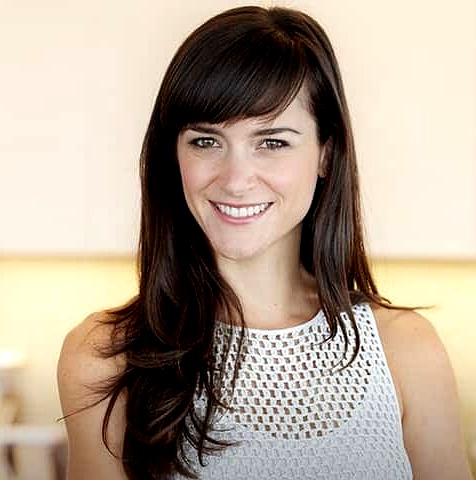
Darya Rose's Book Recommendations
Darya Rose is a celebrated author and neuroscientist known for her influential work in the field of nutrition and healthy living. She gained widespread acclaim for her book *Foodist: Using Real Food and Real Science to Lose Weight Without Dieting*, which offers a science-based approach to weight management and healthy eating. Rose holds a Ph.D. in neuroscience from the University of California, San Francisco, which lends credibility to her evidence-based recommendations. In addition to her writing, she is the creator of the popular blog Summer Tomato, where she shares insights on food, health, and lifestyle. Rose's work has inspired many to adopt more mindful and sustainable eating habits, making a significant impact on the wellness community.
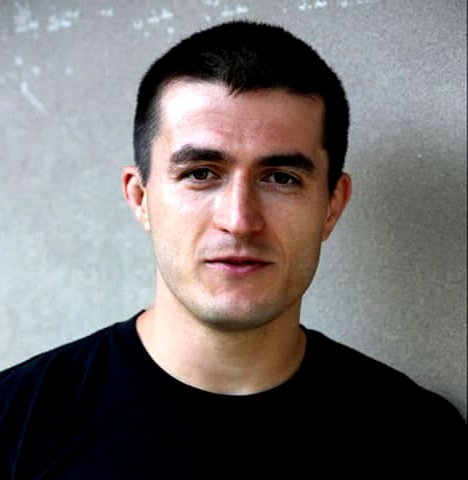
Lex Fridman's Book Recommendations
Lex Fridman is an artificial intelligence researcher, podcaster, and MIT professor, known for his work in autonomous vehicles, robotics, and deep learning. Fridman has gained widespread popularity through his podcast, Lex Fridman Podcast, where he interviews leading thinkers in science, technology, and philosophy, exploring topics like AI, consciousness, and the future of humanity. His academic work focuses on human-centered AI, aiming to create machines that can better understand and interact with humans. Fridman’s ability to distill complex topics into accessible conversations has earned him a large following, and his podcast is known for its thoughtful, in-depth discussions with some of the brightest minds of our time. He is also an advocate for the responsible development of AI, emphasizing the ethical implications of this rapidly advancing technology. Outside of academia and podcasting, Fridman is a practitioner of jiu-jitsu and frequently speaks about the importance of discipline and continuous learning.

Andrew Huberman's Book Recommendations
Andrew Huberman is a renowned neuroscientist and tenured professor at Stanford University, where he leads the Huberman Lab, focusing on brain function, behavior, and health. He has significantly contributed to the understanding of neural plasticity, particularly how the brain can change in response to experience and injury. Huberman is widely recognized for his engaging public science communication, which includes the popular "Huberman Lab" podcast that translates complex neuroscience topics into accessible insights for broad audiences. His research has been published in leading scientific journals, earning him numerous accolades and fostering a deeper public appreciation for neuroscience. Additionally, his work extends into practical applications, influencing fields such as mental health, vision restoration, and performance optimization.
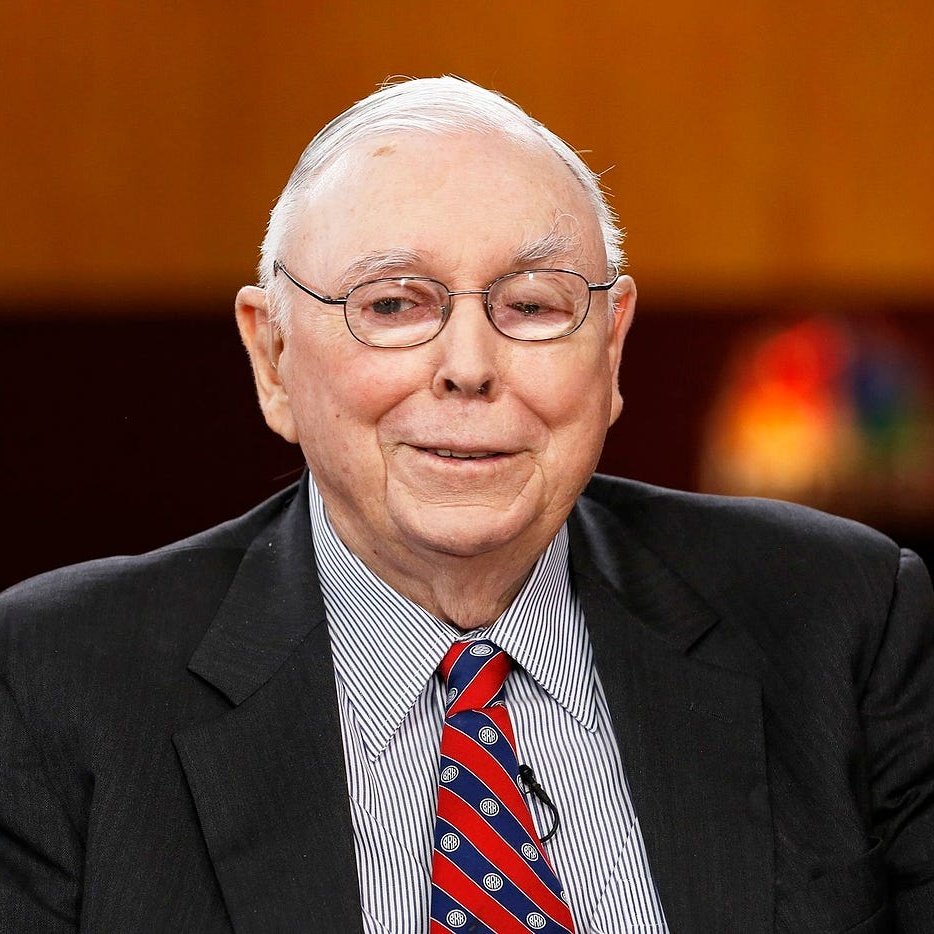
Charlie Munger's Book Recommendations
Charlie Munger is an American investor, businessman, and philanthropist, best known as the vice chairman of Berkshire Hathaway, where he partners with Warren Buffett. Renowned for his insights on investment strategies and mental models, Munger has significantly influenced the world of finance. His notable literary contributions include "Poor Charlie's Almanack," a compilation of his speeches and writings that distill his wisdom on decision-making and business principles. Munger's work emphasizes the importance of multidisciplinary thinking and continuous learning. Beyond his financial acumen, he is celebrated for his charitable efforts, particularly in education and healthcare.

Barack Obama's Book Recommendations
Barack Obama is the 44th President of the United States, serving from 2009 to 2017. As the first African American president, Obama’s leadership marked a historic moment in American history. His administration focused on healthcare reform, economic recovery from the Great Recession, and environmental policies. He is best known for the Affordable Care Act, as well as his efforts to expand civil rights and restore diplomatic relations with Cuba. Since leaving office, Obama has continued to engage in public life through his foundation, focusing on leadership development, civic engagement, and global issues.

Nat Eliason's Book Recommendations
Nat Eliason is an influential writer, entrepreneur, and educator known for his insightful work on personal growth, productivity, and digital marketing. He founded Growth Machine, a successful SEO and content marketing agency that has helped numerous companies expand their online presence. Eliason's thought-provoking articles on his blog cover a wide range of topics, from philosophy to health, attracting a large and engaged audience. Additionally, he authored "Effortless Output with Roam," a comprehensive guide on using the Roam Research tool for knowledge management. Through his diverse contributions, Eliason has established himself as a significant voice in the realms of self-improvement and digital strategy.

Andrew Wilkinson's Book Recommendations
Andrew Wilkinson is a distinguished author and entrepreneur, best known for his insightful business writings and contributions to the tech industry. He co-founded MetaLab, a prominent design agency that has shaped the user experience of major platforms like Slack and Coinbase. Wilkinson's entrepreneurial journey and his publications provide valuable perspectives on startup culture, innovation, and leadership. His writing, often featured in leading business magazines and his personal blog, has garnered a wide readership for its practical advice and engaging storytelling. Andrew continues to influence both literature and the business world with his unique blend of creativity and strategic thinking.
Showing 8 of 15 related collections
“Our brains are not just machines, but intricate networks of thought where free will dances with determinism, shaping who we are and how we navigate the world.”
Who's in Charge?
By Michael S. Gazzaniga
Frequently Asked Questions
Explore Our Catalogue
Discover a world of knowledge through our extensive collection of book summaries.
Genres
Genres
Genres
Featured Collections
- Top Book Club Picks
- One-Stop Nutrition
- Summer Reads 2024
- Best Beach Reads 2024
- Work-Life Balance Guide
- Time Management
- Healthy Foods
- Entrepreneur Toolkit
- Mind & Body Wellness
- Future Tech Insights
- Leadership Essentials
- Financial Freedom
- Sci-Fi Masterpieces
- Parenting 101
- Books That Became Blockbusters
- Guide to a Healthy Pregnancy